 Crazyserver


 Espagne

-
Nº14
 Date : 2013-08-03 - 13:54
-
 Profondeur Max: 6.1m Durée : 62mins
Photos

Aucune photo sur cette plongée
- Temp: Surf 23°C Fond 22°C
- Type de plongée : Entrainement, seashore
- Visibilité : Bonne Type d'eau Salée
Equipement particulier utilisé
- Détendeur: Cressi Sub - Ellipse Balanced / MC 9 - SC
- Combi humide: Aqualung - Iceland 7 mm
- Lest : 5 kg
Récemment sur Tossa De Mar

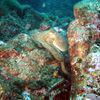
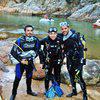
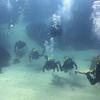
Photos récentes sur Tossa De Mar

Centre de plongée & Palanquée
 Plongée avec Cala Llevadó Diving Center
 Palanquée :
Edu,
Pau,
Gemma

URL pour ce spot :
- Site :
- Pays
- Zone :
- Mer/Océan/Lac/Rivière :
Profil de plongée
- 1. Air
- 12L Steel 190 → 40 bar
- Profondeur moyenne: 5m
Données fournies par EOL.org
Espèces identifiées
Thalassoma pavo (Linnaeus, 1758) (Ornate wrasse)
Inhabits coastal waters near rocks and eel-grass beds. Usually solitary, sometimes in small groups. Feeds on small mollusks and crustaceans . Protogynous hermaphrodite, with distinct sexual dichromatism . Eggs are pelagic .
Diplodus vulgaris (Geoffroy Saint-Hilaire, 1817) (Common two-banded seabream)
A euryhaline species inhabiting rocky and sometimes sandy bottoms to depths of 160 m, but more commonly in less than 50 m. The young are sometimes found in seagrass beds. Adults feed on crustaceans, worms and mollusks . Important food fish.
Scorpaena notata Rafinesque, 1810 (Small red scorpionfish)
Common in rocky littoral habitats. Feeds on crustaceans and small fishes . Flesh is tasty and used in making 'bouillabaisse' .
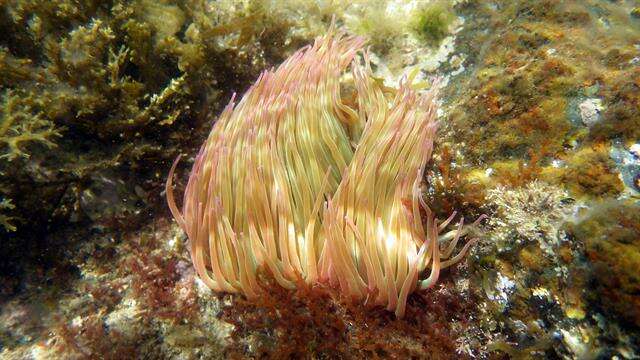
Anemonia viridis (Forskål, 1775) (Snakelocks anemone)
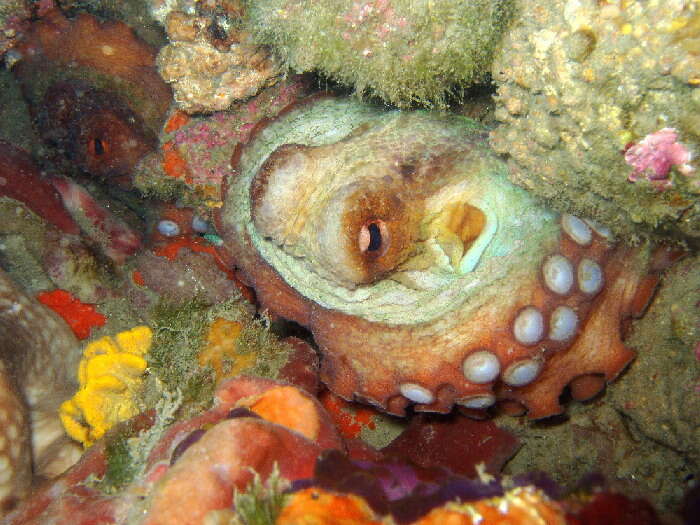
Octopus vulgaris Cuvier, 1797 (common octopus)
Like all cephalopods, the common octopus is an intelligent active predator . They have modified salivary glands that produce venom used to incapacitate prey. It is often easy to identify what a common octopus has been ...
Lire la suite
Lire la suite
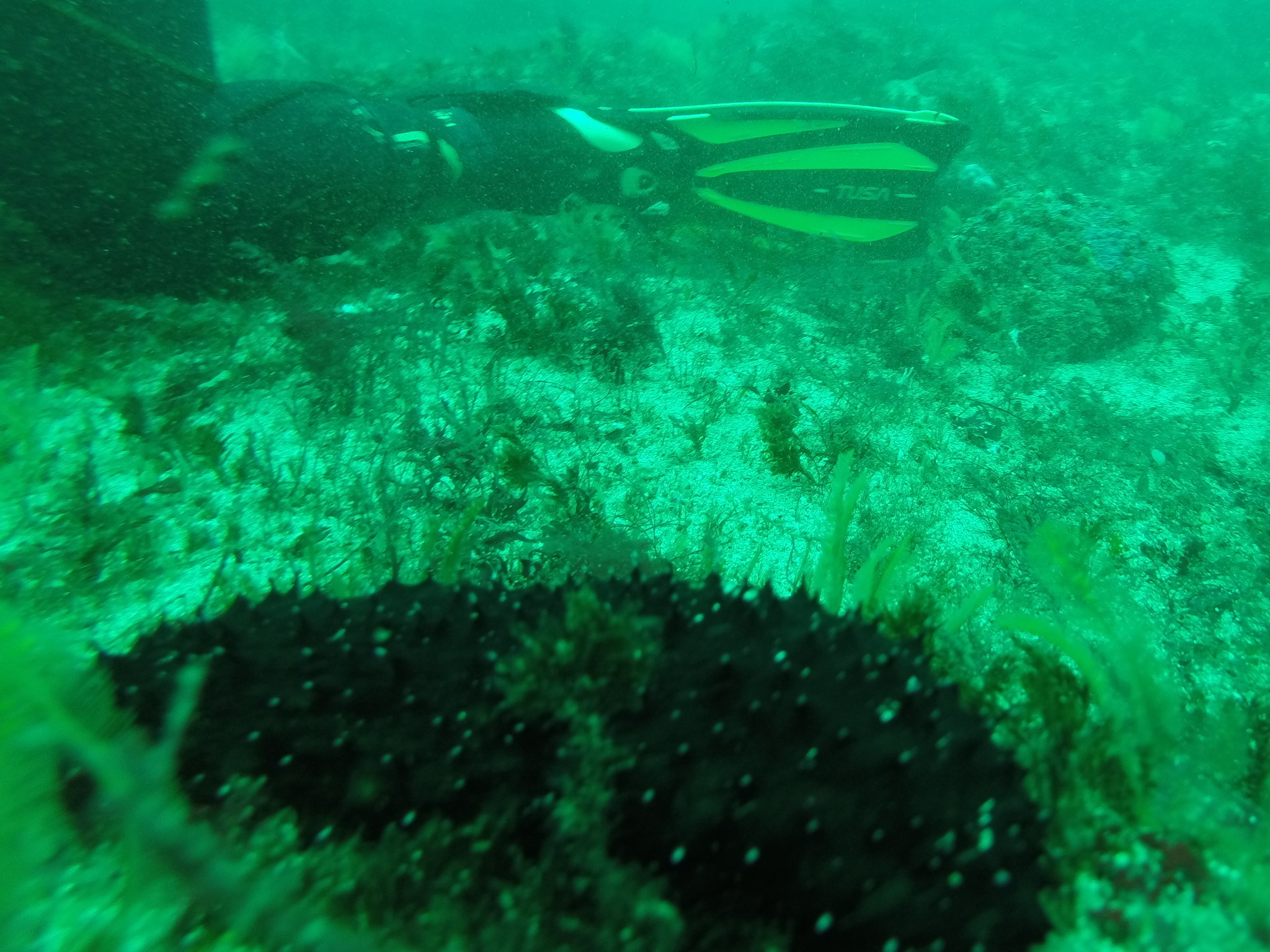
Holothuria forskali Chiaje, 1841
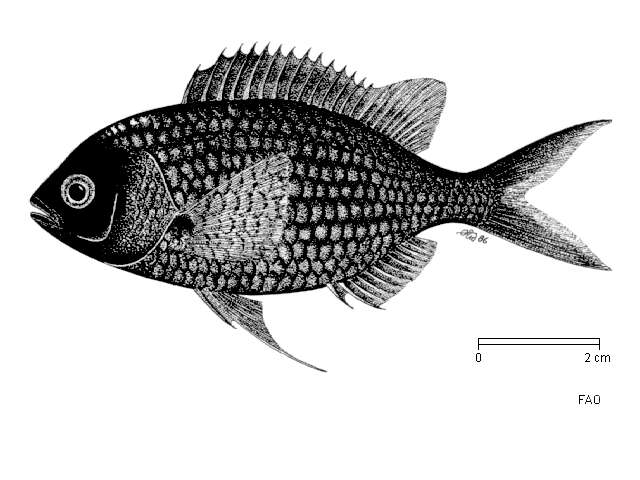
Chromis chromis (Linnaeus, 1758) (Mediterranean chromis)
Form small shoals in midwater above or near rocky reefs or above seagrass meadows (Posidonia. Feed on small planktonic or benthic animals . Reproduce in summer . Eggs characterised by adhesive filaments are nested on rocky or sandy bottoms . Males guard the eggs .
Symphodus tinca (Linnaeus, 1758) (painted wrasse)
Littoral, found near rocks mainly in eel-grass beds, sometimes in salty lagoons. Often gregarious. Nest of seaweed built and kept by male with one or more females spawning. Feed on sea urchins, ophiuroids, bivalves, shrimps and crabs . Rate of growth is slow . Undergoes sex reversal .
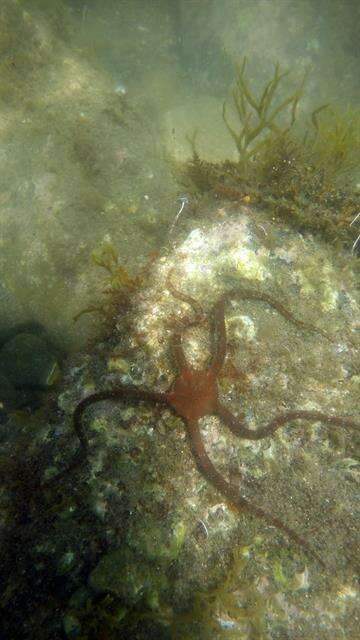
Ophioderma longicauda (Bruzelius, 1805)
Partager sur les Réseaux Sociaux
- Facebook:

Personnalisez le texte de partage et son emplacement (mur, page, ...) ou envoyez le en tant que message privé à un de vos amis
- Twitter: Tweet personnalisez votre tweet
- Google Plus:
Lien direct vers cette plongée
- Lien complet :
- Lien abrégé :


 Diveboard participe aujourd'hui au concours de startups Techcrunch Disrupt. Montrez que vous aimez Diveboard en votant pour nous !