


 Beachnutts


 Philippines
-
Nº196
 Date : 2026-03-15 - 10:44
-
 Profondeur Max: 26.2m Durée : 77mins
Site de plongée

- Temp: Surf 26°C Fond 26°C
- Type de plongée : Loisir, Récif
- Visibilité : Excellente Type d'eau Salée
Equipement particulier utilisé
- Stab: Scubapro - Glide Plus
- Chaussons: Cressi Sub - Dive Shoes
- Appareil photo: Olympus - TG6
- Boussole:
- Ordinateur: Oceanic - OCS
- Palmes: Scubapro - Jet Fins
- Couteau: Scuba MAx - folding
- Parachute: ScubaMax - SMB
- Lampe: Sofirn - SD05
- Masque: Promate - Scope
- Détendeur: Aqualung - Legend
- Combi humide: Blue Ocean - Diveskin
- Lest : 3.2 kg
Dive reviews
| Avis global | ||
| Difficulté de la plongée | ||
| Qualité de la flore et de la faune |
Récemment sur Talikud Island, Davao

Photos récentes sur Talikud Island, Davao
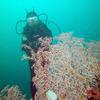
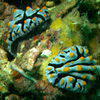
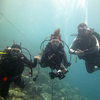
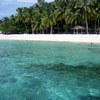
Centre de plongée & Palanquée
 Plongée avec Blake Auge
 Palanquée :
Reymar Tano,
Beachnutts
Palanquée :
Reymar Tano,
Beachnutts

URL pour ce spot :
- Site :
- Pays
- Zone :
- Mer/Océan/Lac/Rivière :
Profil de plongée
- 1. Air
- 10L Aluminium 207 → 34 bar
- Profondeur moyenne: 17.5m
Données fournies par EOL.org





Espèces identifiées
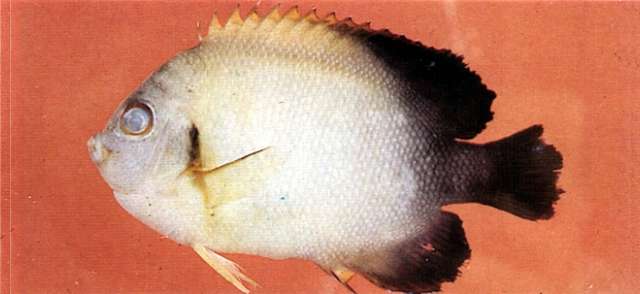
Centropyge flavicauda Fraser-Brunner, 1933 (Whitetail angelfish)
Inhabits coral bottoms of channels and over reef slopes . Herbivorous . Occasionally exported through the aquarium trade . Often in small loose groups on inner reefs in low patches of brittle corals and coralline algae mix that is shared by damselfishes and small wrasses .
Centropyge vrolikii (Bleeker, 1853) (Pearlscale angelfish)
Inhabit lagoon and seaward reefs, mainly in coral rich areas . Feed on algae. Oviparous , monogamous . Frequently exported through the aquarium trade. Form hybrids with Centropyge eibli and C. flavissima at areas of sympatry. Mimicked by juveniles of the acanthurid Acanthurus pyroferus .
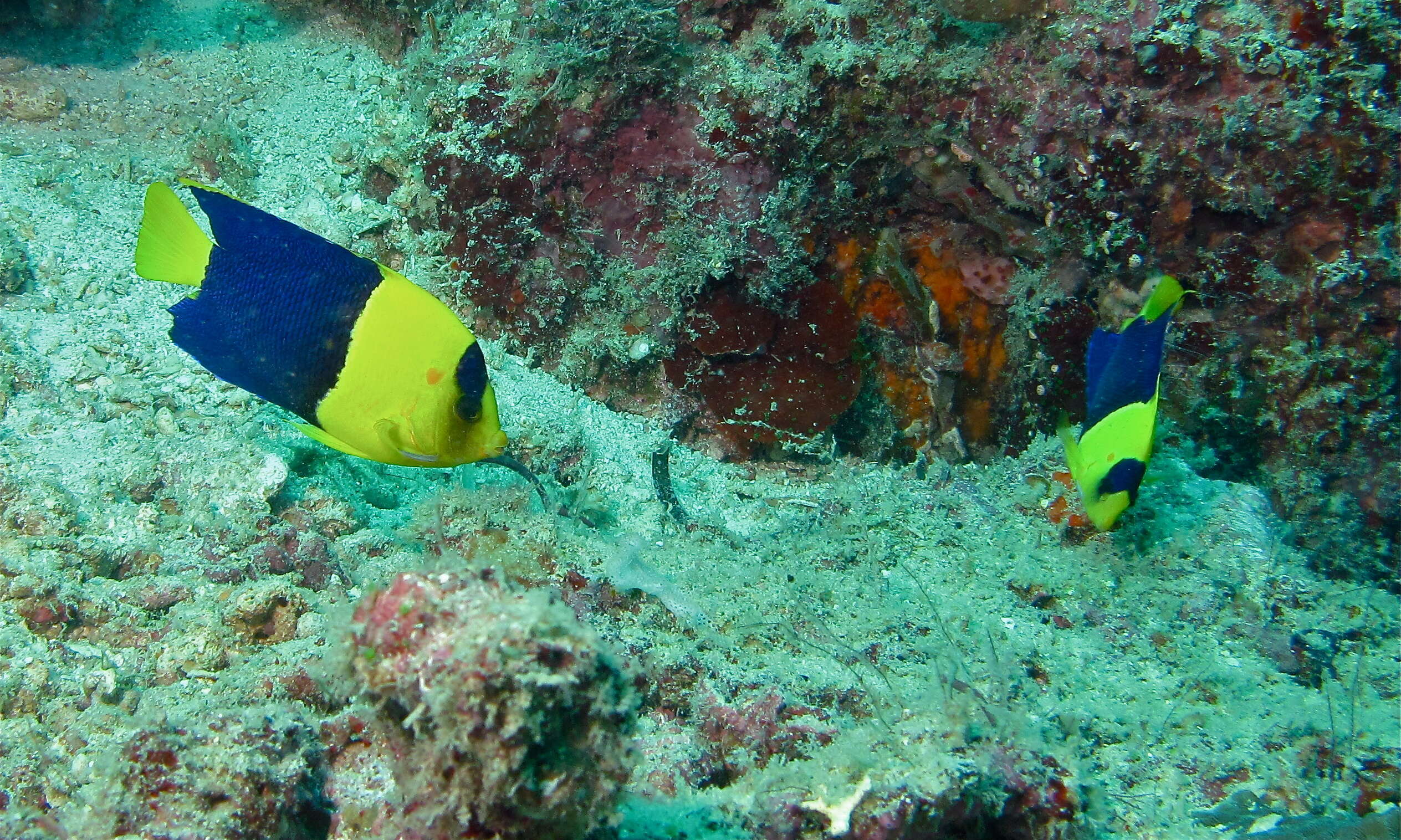
Centropyge bicolor (Bloch, 1787) (Bicolor angelfish)
Inhabits lagoon, channel, or protected seaward reef slopes, drop offs, coral and rubble areas . Usually in pairs or in small groups. Feeds on algae, small crustaceans and worms. Darts from one hiding place to the next. Commonly exported through the aquarium trade .
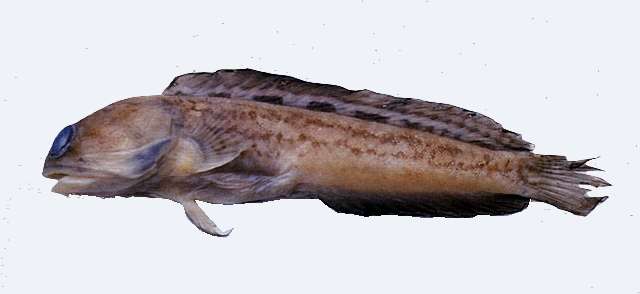
Opistognathus castelnaui Bleeker, 1860 (Blue-spotted jawfish)
Inhabits open sand and rubble substrates in about 20-25 meters . May be found in depths greater than 100 m . Mouthbrooders .
Gymnothorax enigmaticus Mccosker and Randall, 1982 (Enigmatic moray)
Relatively uncommon in intertidal reefs. Found in shallow coastal reefs . Juveniles inhabit lagoons. Sometimes out during the day .
Cirrhitichthys falco Randall, 1963 (Dwarf hawkfish)
Shallow coastal to outer reef flats and slopes to 45 m depth . Common inhabitant of coral reefs, typically resting at the bases of coral heads . Studies indicate that it is haremic and spawns nightly . Occasionally in pairs .
Pterois volitans (Linnaeus, 1758) (Red lionfish)
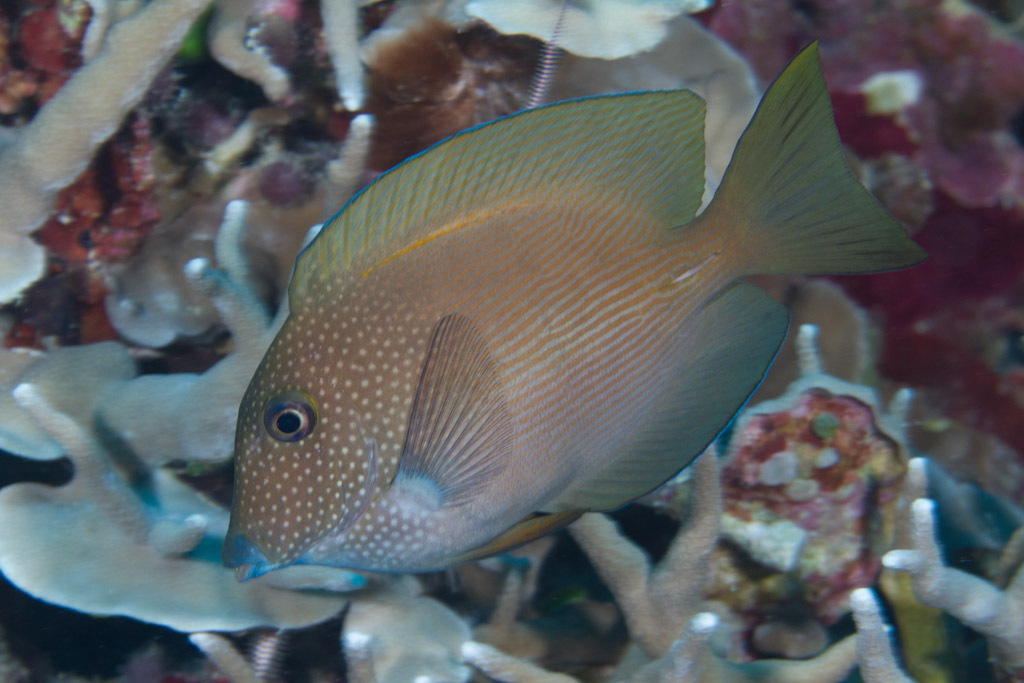
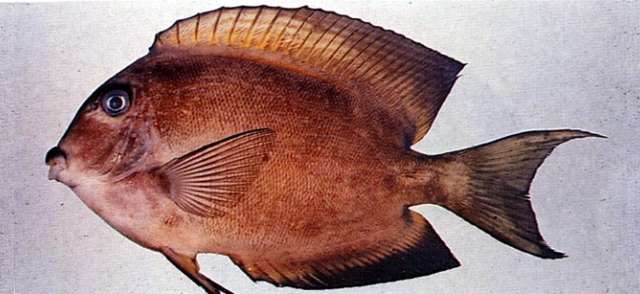
Ctenochaetus striatus (Quoy and Gaimard, 1825) (Striated surgeonfish)
Inhabits reef flats and lagoon and seaward reefs to a depth of over 30 m. Occurs over coral , rock, pavement, or rubble substrates. May occur singly or in small to very large, often mixed-species aggregations . Feed...
Lire la suite
Lire la suite
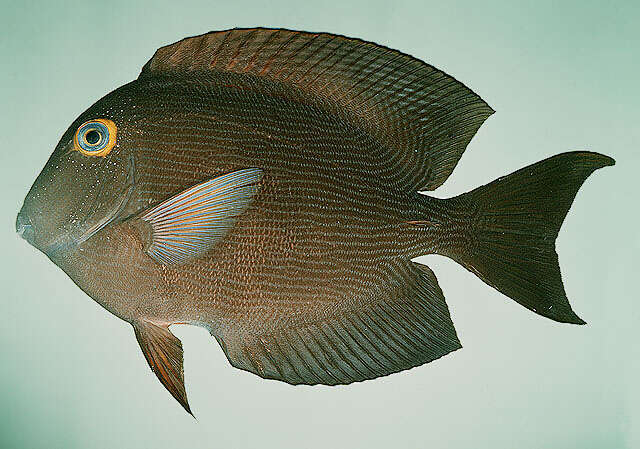
Ctenochaetus binotatus Randall, 1955 (Twospot surgeonfish)
Inhabits coral and rubble areas of deep lagoon and seaward reefs. Feeds by scooping film of detritus and unicellular algae that produce ciguatera toxin making this species a key link in the ciguatera food chain . Caught with nets .
Ctenochaetus strigosus (Bennett, 1828) (Spotted surgeonfish)
Benthopelagic over coral, rock, and rubble . Solitary. Mainly diurnal . Feeds on detritus by whisking its comb-like teeth over the bottom as it closes its mouth .
Calliactis polypus (Forskål, 1775)
on hermit crabs
Partager sur les Réseaux Sociaux
- Facebook:

Personnalisez le texte de partage et son emplacement (mur, page, ...) ou envoyez le en tant que message privé à un de vos amis
- Twitter: Tweet personnalisez votre tweet
- Google Plus:
Lien direct vers cette plongée
- Lien complet :
- Lien abrégé :


 Diveboard participe aujourd'hui au concours de startups Techcrunch Disrupt. Montrez que vous aimez Diveboard en votant pour nous !

























































































1st dive 2 tank boat Riptide
WINDY, very choppy have to search and hide from wind for flat water. 1st dive Sol Del Sur House reef.
very good viz, clear water
highlight big orange frogfish, many small fish active
multilevel, some solo