


 Beachnutts


 Philippines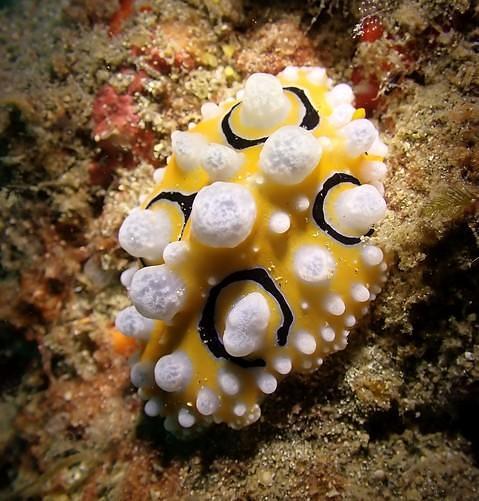
-
Nº110
 Date : 2023-11-11 - 12:23
-
 Profondeur Max: 20.7m Durée : 71mins
Site de plongée

- Temp: Surf 27°C Fond 27°C
- Type de plongée : Loisir, Récif, Photo, Muck Dive
- Visibilité : Moyenne Type d'eau Salée
Equipement particulier utilisé
- Stab: Oceanic - OceanPro
- Chaussons: Orca - Dive shoes
- Appareil photo: Olympus - TG6
- Boussole:
- Boussole: Aeris - Atmos console
- Ordinateur: Oceanic - OCS
- Palmes: Scubapro - Jet Fins
- Couteau: Scuba MAx - folding
- Parachute: ScubaMax - SMB
- Lampe: Sofirn - SD05
- Masque: Promate - Scope
- Combi humide: Blue Ocean - Diveskin
- Lest : 3.2 kg
Dive reviews
| Avis global | ||
| Difficulté de la plongée | ||
| Qualité de la flore et de la faune |
Centre de plongée & Palanquée
 Plongée avec Blake Auge
 Palanquée :
Beachnutts
Palanquée :
Beachnutts

URL pour ce spot :
- Site :
- Pays
- Zone :
- Mer/Océan/Lac/Rivière :
Profil de plongée
- 1. Air
- 10L Aluminium 207 → 21 bar
- Profondeur moyenne: 13.8m
Données fournies par EOL.org

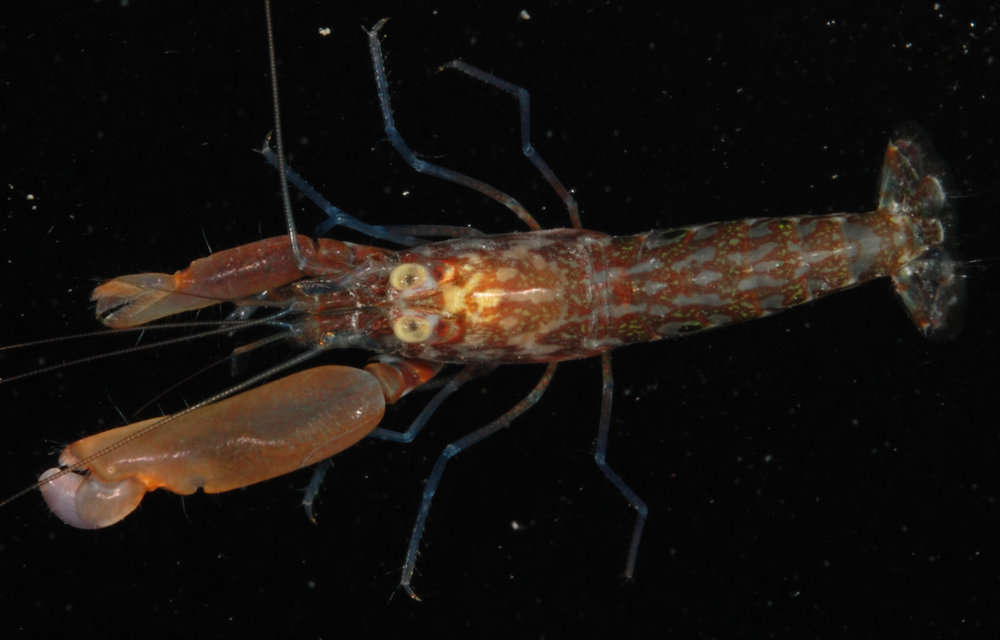
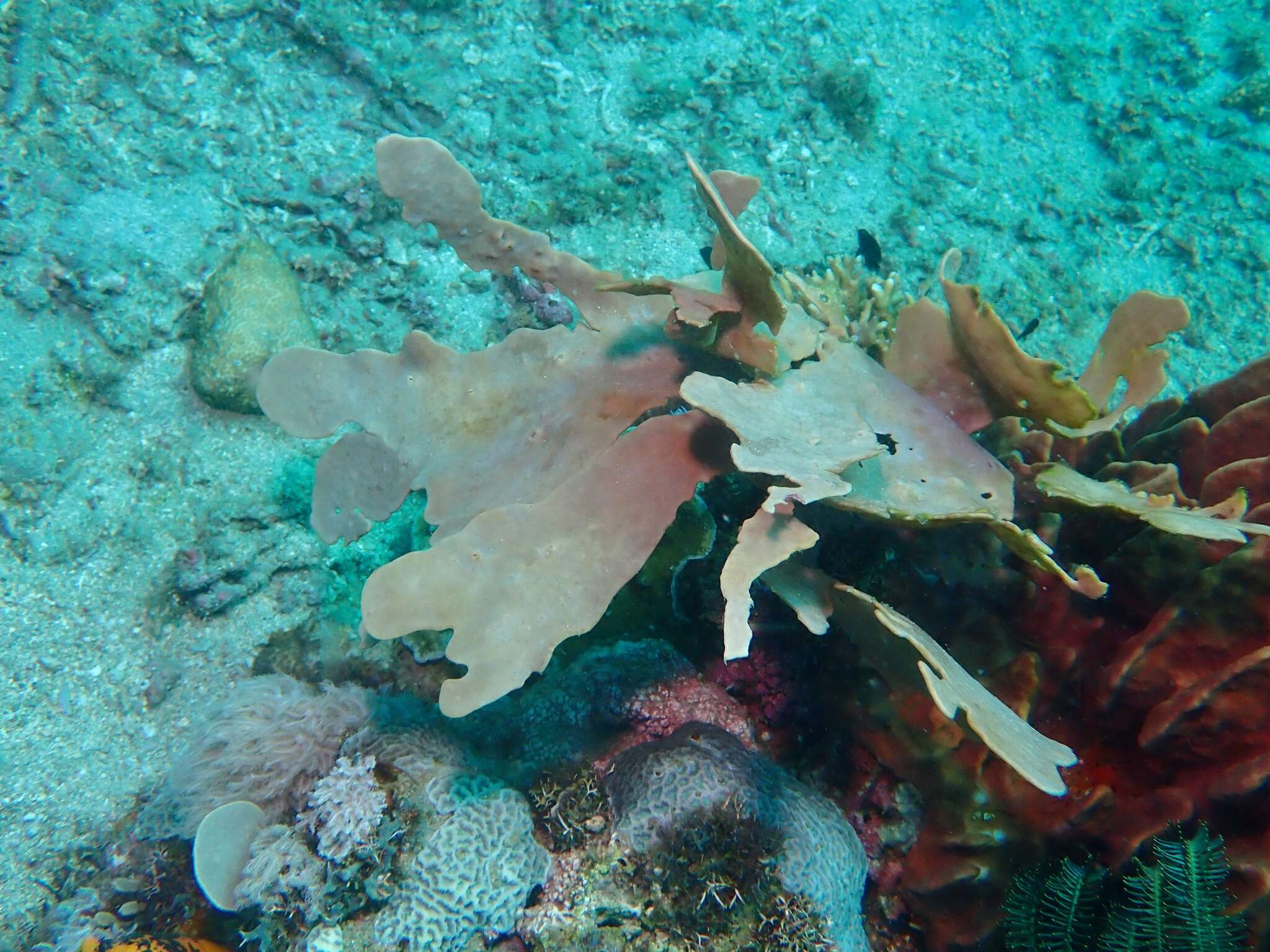
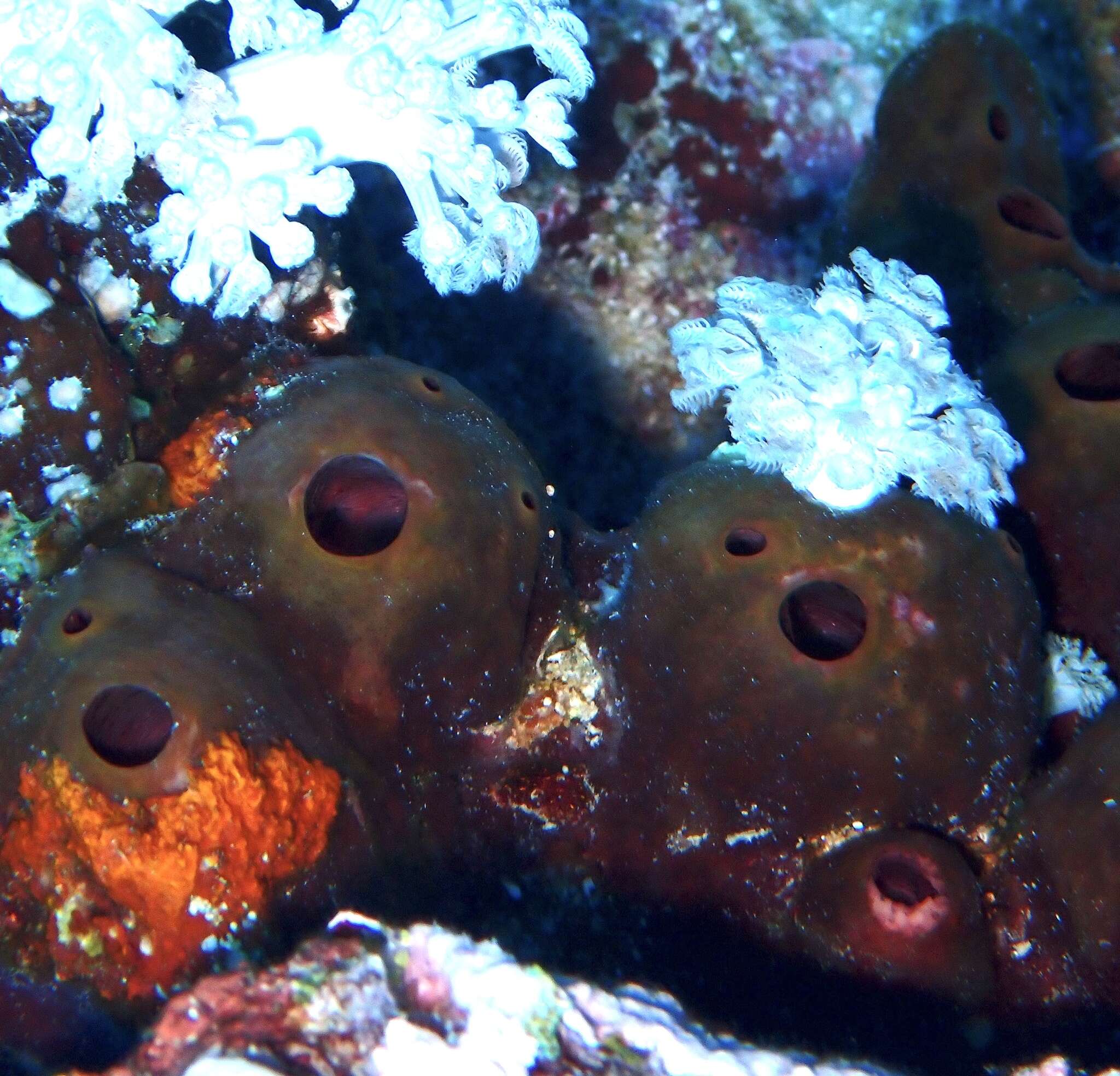

Espèces identifiées
Heterocarpus gibbosus Bate, 1888 (humpback nylon shrimp)
Plesionika martia (A. Milne-Edwards, 1883) (golden shrimp)
Alpheus gracilipes Stimpson, 1860 (daisy snapping shrimp)
Axinyssa valida (Thiele, 1899)
Agelas mauritiana (Carter, 1883)
Phyllospongia papyracea (Esper, 1794)
Thenea grayi Sollas, 1886
Spongionella nigra Dendy, 1889
Rhizaxinella nuda Wilson, 1925
Biemna trirhaphis (Topsent, 1897)
Theonella swinhoei Gray, 1868
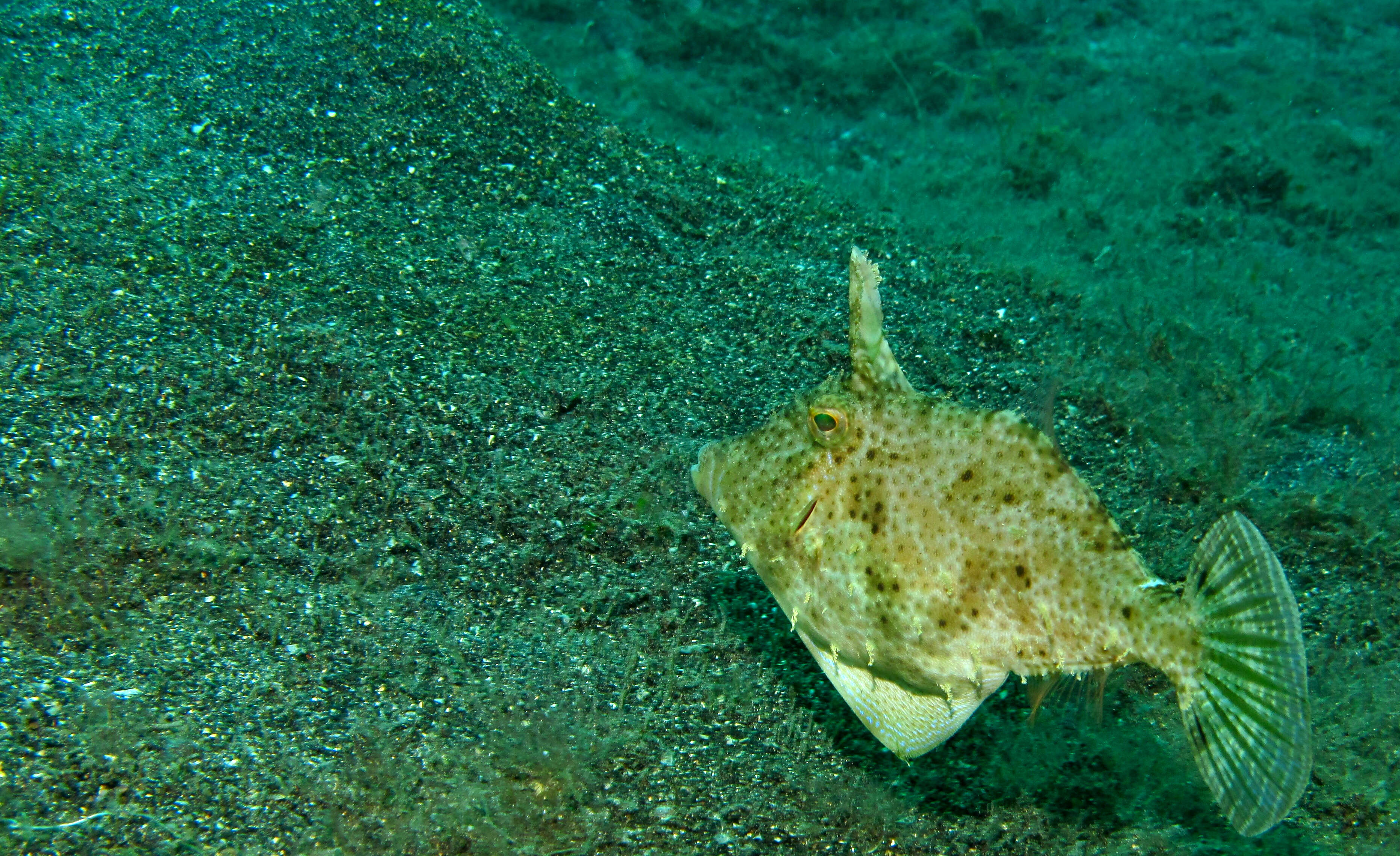
Pseudomonacanthus macrurus (Bleeker, 1857) (Strap-weed file-fish)
Inhabits shallow coastal algal reefs and estuaries. Adults are often in pairs .
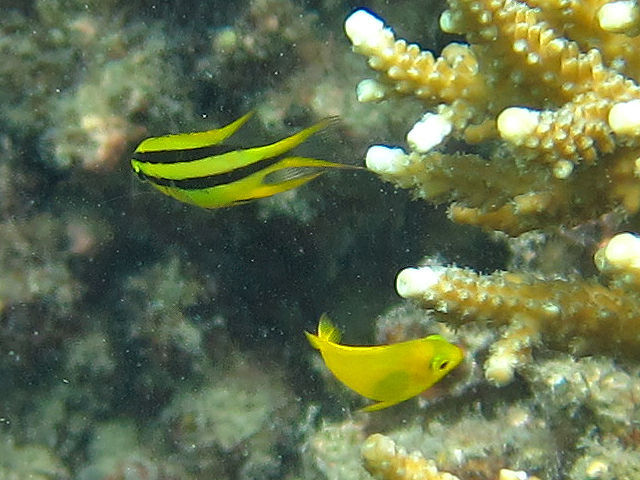
Neoglyphidodon nigroris (Cuvier, 1830) (Yellowfin damsel)
Two forms: long-tailed and black as adults occurs in the Andaman Sea, ranging east to western Bali and north to Japan. Second form, probably valid as N. xanthurus occurs in the rest of the West Pacific and the two ov...
Lire la suite
Lire la suite
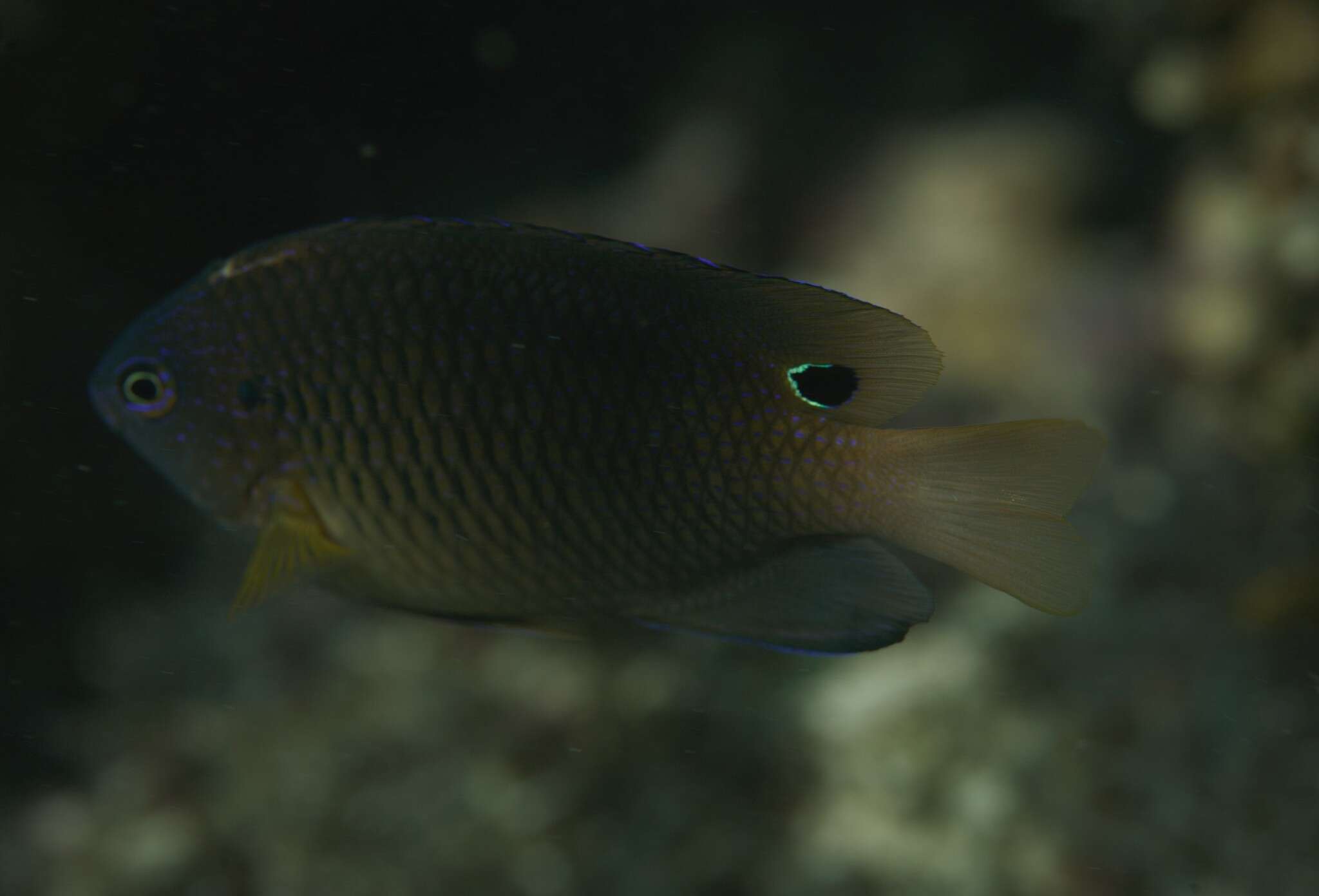
Pomacentrus adelus Allen, 1991 (Obscure damsel)
Inhabits lagoon, coastal and seaward reefs , usually on open rubble patches .
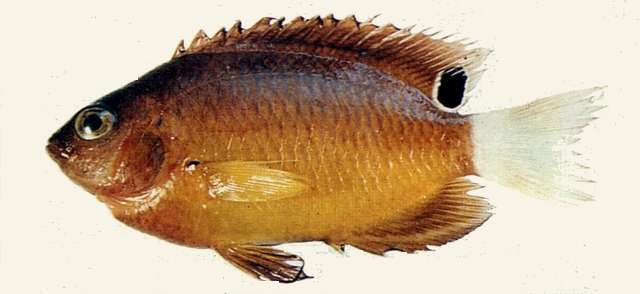
Pomacentrus bankanensis Bleeker, 1853 (Speckled damselfish)
Occurs solitarily or in small groups in lagoons, reef flats, passages, and outer reef slopes. Usually amongst coarse rubble or rock . Feeds primarily on algae, but also takes copepods, isopods, and pelagic tunicates.
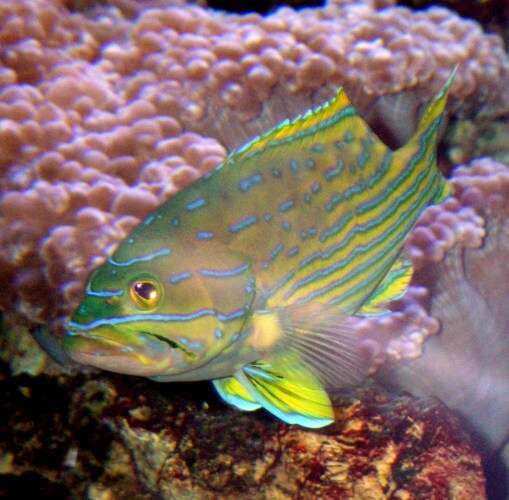
Cephalopholis polleni (Bleeker, 1868) (Blue-lined grouper)
Sporadic distribution . Occurs only at oceanic islands. Inhabits clear waters of steep drop-offs; rarely seen in less than 30 m. It has been taken in depths of 120 m and may occur deeper. Also found in caves and crevices. Often swims upside-down against the roofs of caves or archways .
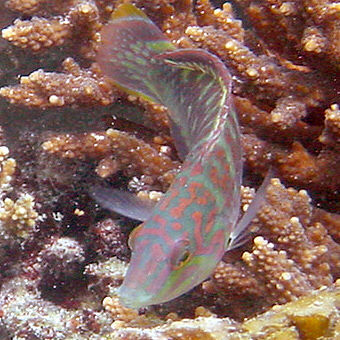
Oxycheilinus bimaculatus (Valenciennes, 1840) (Two-spot wrasse)
Inhabits outer reef slopes or deep clear lagoons among rubble or clumps of algae; also in seagrass beds . Often in sheltered estuaries and harbors . Benthic and benthopelagic .
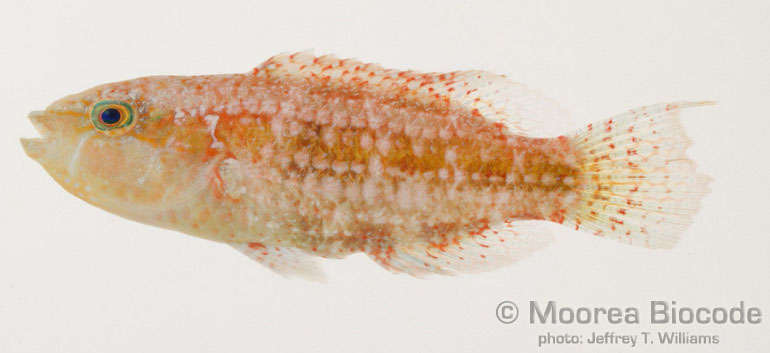
Halichoeres margaritaceus (Valenciennes, 1839) (Pink-belly wrasse)
Inhabits shallow reefs and rocky shores, usually in weedy areas exposed to surge . Feeds on benthic crustaceans, mollusks, polychaetes, forams, fishes, and fish eggs . One of several similar species that have near identical juvenile and female stages .
Halichoeres melanurus (Bleeker, 1851) (Tail-spot wrasse)
Found mostly on shallow coral reefs and rocky shores . Found over 15 m depth . Feed on small invertebrates such as polychaetes, copepods, isopods and forams .
Partager sur les Réseaux Sociaux
- Facebook:

Personnalisez le texte de partage et son emplacement (mur, page, ...) ou envoyez le en tant que message privé à un de vos amis
- Twitter: Tweet personnalisez votre tweet
- Google Plus:
Lien direct vers cette plongée
- Lien complet :
- Lien abrégé :


 Diveboard participe aujourd'hui au concours de startups Techcrunch Disrupt. Montrez que vous aimez Diveboard en votant pour nous !



























































































Single dive November 11, Davao Boat Club/ Marina
low tide around 10:21, start dive 12:23, multilevel, Mostly on North side of pier end, exploring looking for macro
great conditions, clear, no currentuntil near end
back to beach still prettylow tide
SOLO dive, multilevel