


 Beachnutts


 Philippines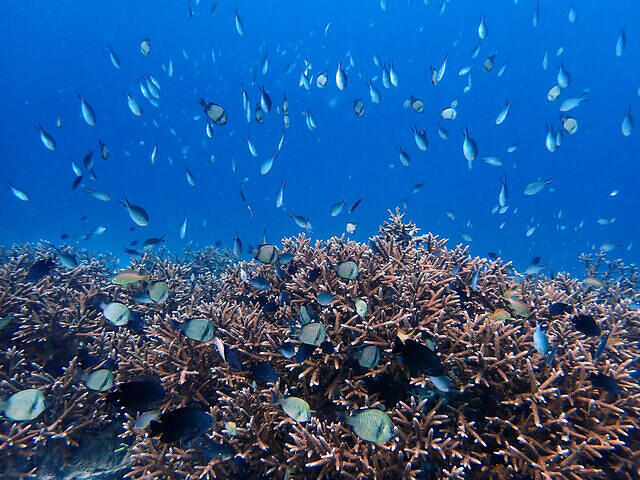
-
Nº153
 Date : 2024-11-10 - 09:54
-
 Profondeur Max: 32.3m Durée : 97mins
Site de plongée

- Temp: Surf 28°C Fond 28°C
- Type de plongée : Loisir, Profonde, Récif, Photo
- Visibilité : Bonne Type d'eau Salée
Equipement particulier utilisé
- Stab: Scubapro - Glide Plus
- Chaussons: Orca - Dive shoes
- Appareil photo: Olympus - TG6
- Ordinateur: Oceanic - OCS
- Palmes: Scubapro - Jet Fins
- Couteau: Scuba MAx - folding
- Parachute: ScubaMax - SMB
- Lampe: Sofirn - SD05
- Masque: Promate - Scope
- Détendeur: Aqualung - Legend
- Combi humide: Blue Ocean - Diveskin
- Lest : 3.2 kg
Dive reviews
| Avis global | ||
| Difficulté de la plongée | ||
| Qualité de la flore et de la faune |
Récemment sur Talicud island, Davao

Photos récentes sur Talicud island, Davao
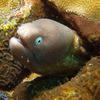
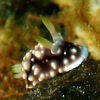
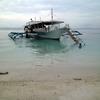
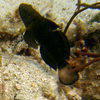
Centre de plongée & Palanquée
 Plongée avec Reymar Tano
 Palanquée :
Reymar Tano
Palanquée :
Reymar Tano

URL pour ce spot :
- Site :
- Pays
- Zone :
- Mer/Océan/Lac/Rivière :
Profil de plongée
- 1. Air
- 10L Aluminium 207 → 21 bar
- Profondeur moyenne: 21.5m
Données fournies par EOL.org


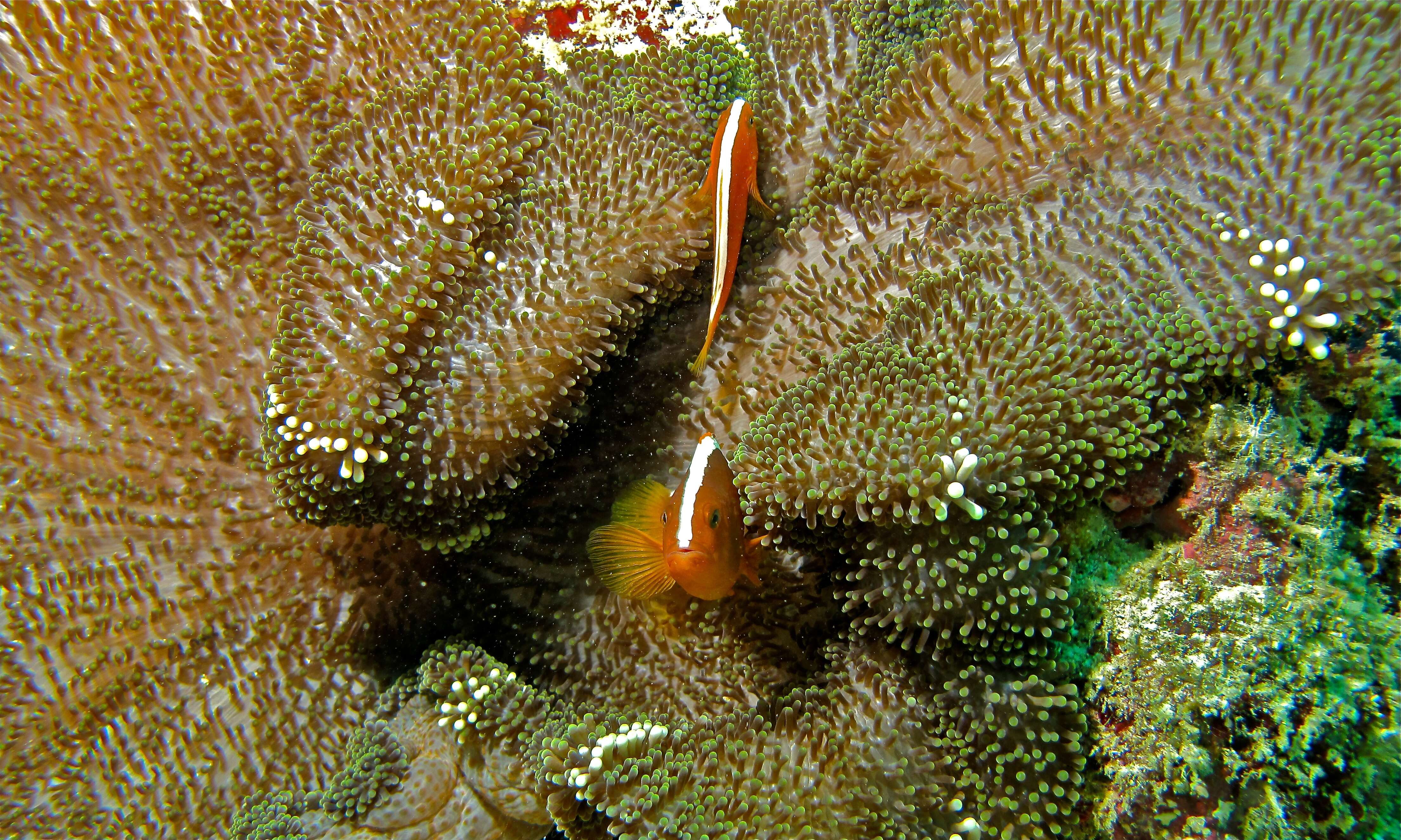

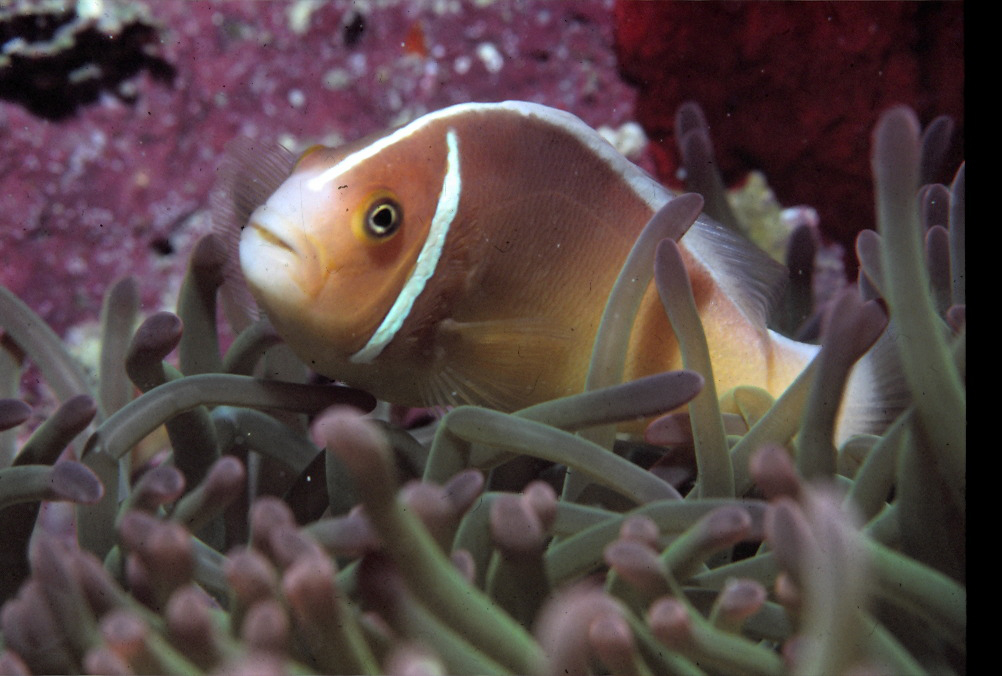
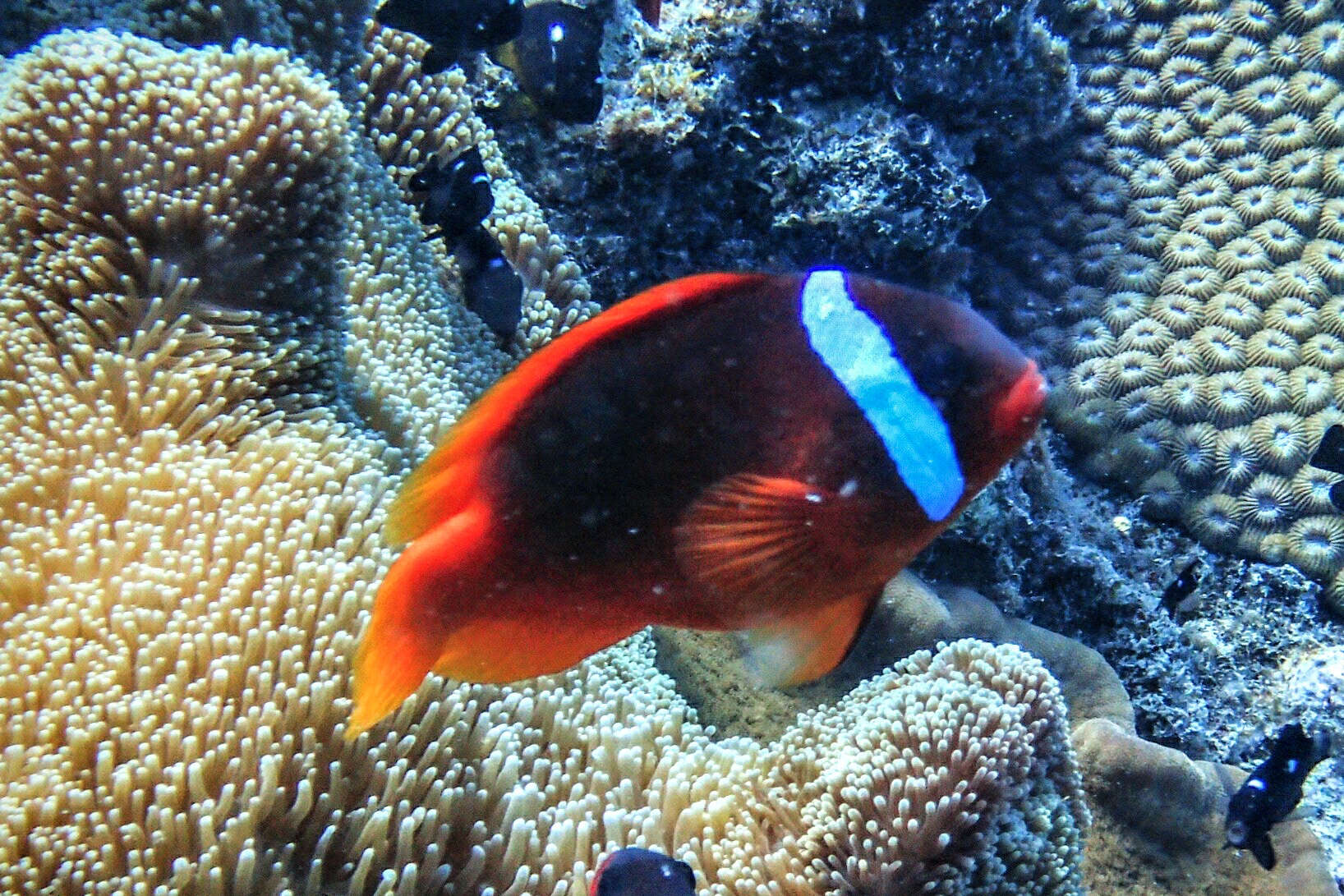
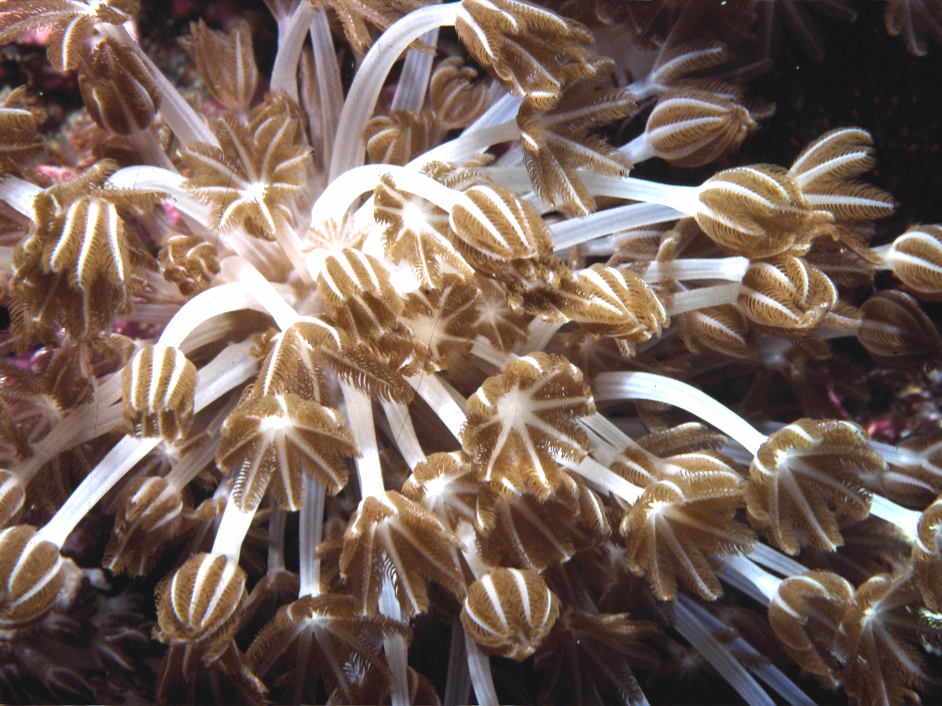



Espèces identifiées
Neastacilla sheardi Hale, 1946
Munna nasuta Kussakin & Mezhov, 1979
Mesosignum magnadens Menzies & Frankenberg, 1967
Diplodus bellottii (Steindachner, 1882) (Senegal seabream)
Gregarious. Inhabits the upper portion of the continental shelf from the coastline to 100 m depth, but especially from 30 to 50 m. Occurs on various types of bottom. Sometimes forms sizeable aggregations. Feeds on small benthic mollusks and crustaceans . Important food fish.
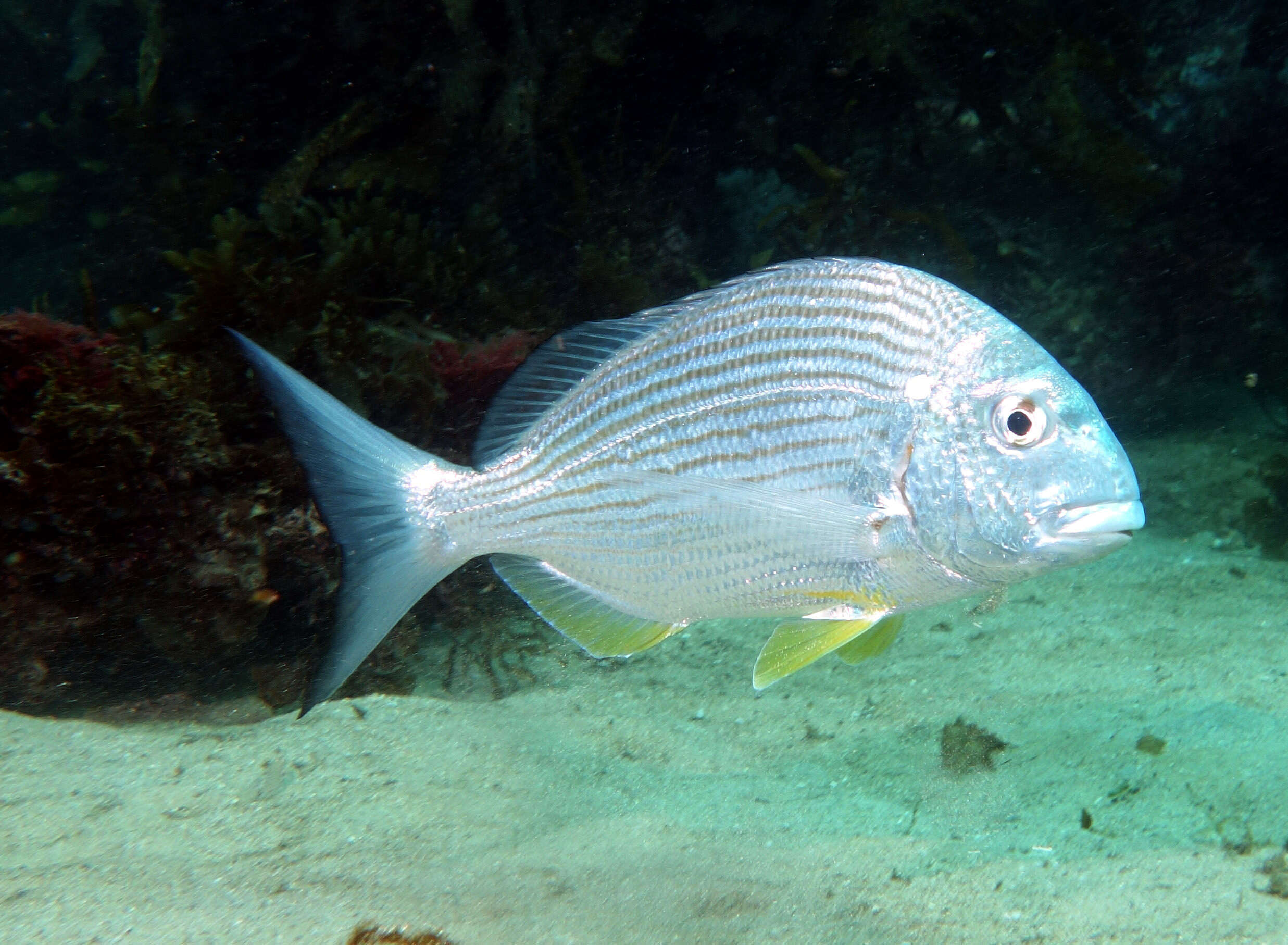
Diplodus fasciatus (Valenciennes, 1830) (Banded seabream)
Inhabits rocky bottoms to about 100 m depth; may also live on sandy bottoms in deeper waters; occurs in groups of 5 individuals of different sizes. Omnivorous with predominantly carnivorous habits .
Rhabdosargus sarba (Forsskål, 1775) (Goldlined seabream)
Inhabit coastal waters , usually entering estuaries . Abundant in shallow water and often caught at the surf-line or in rock pools . Larger, solitary fish sometimes enter brackish mangrove areas . Juveniles in estua...
Lire la suite
Lire la suite
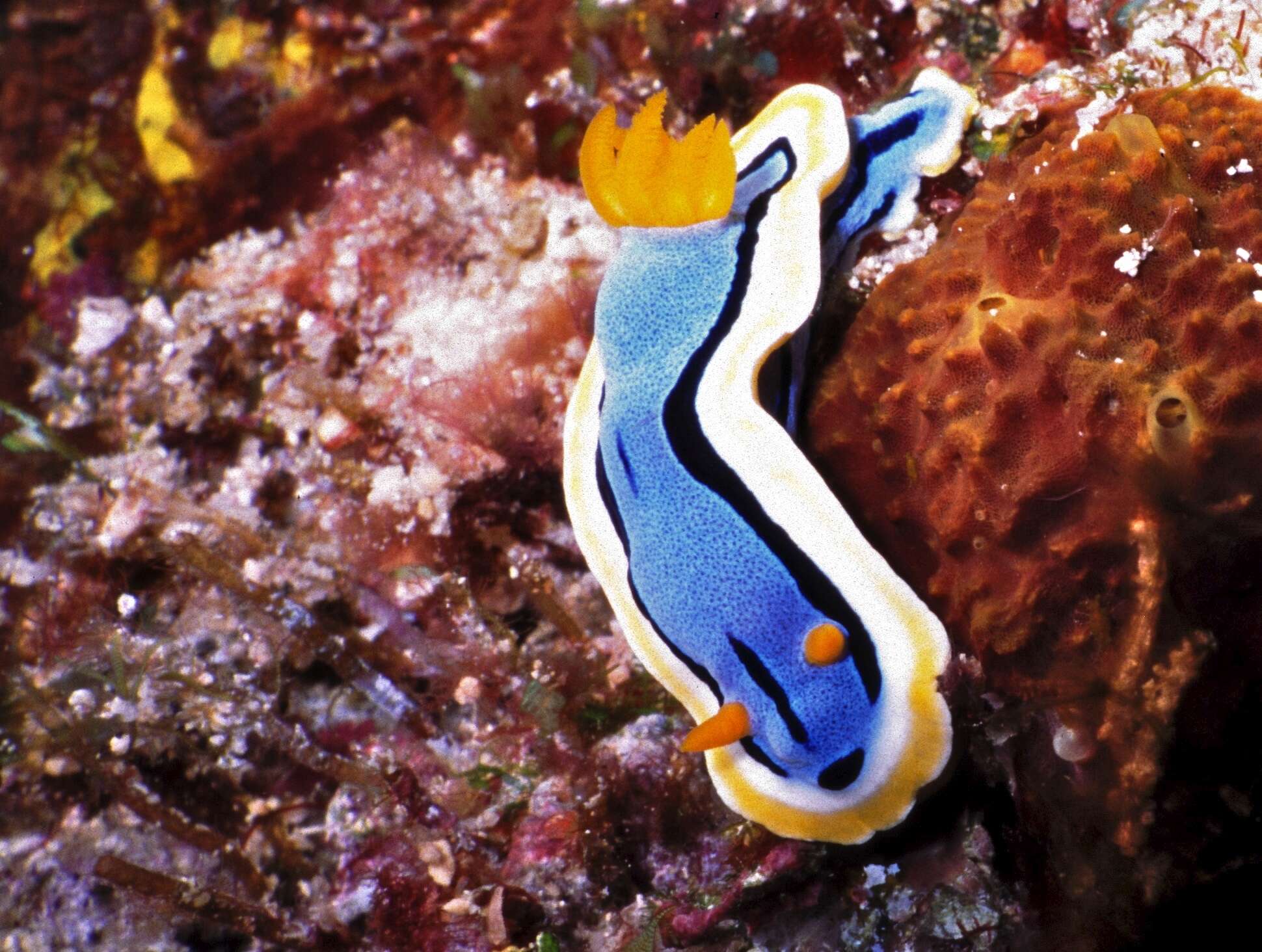
Chromodoris annae Bergh 1877 (Anna's Chromodoris)
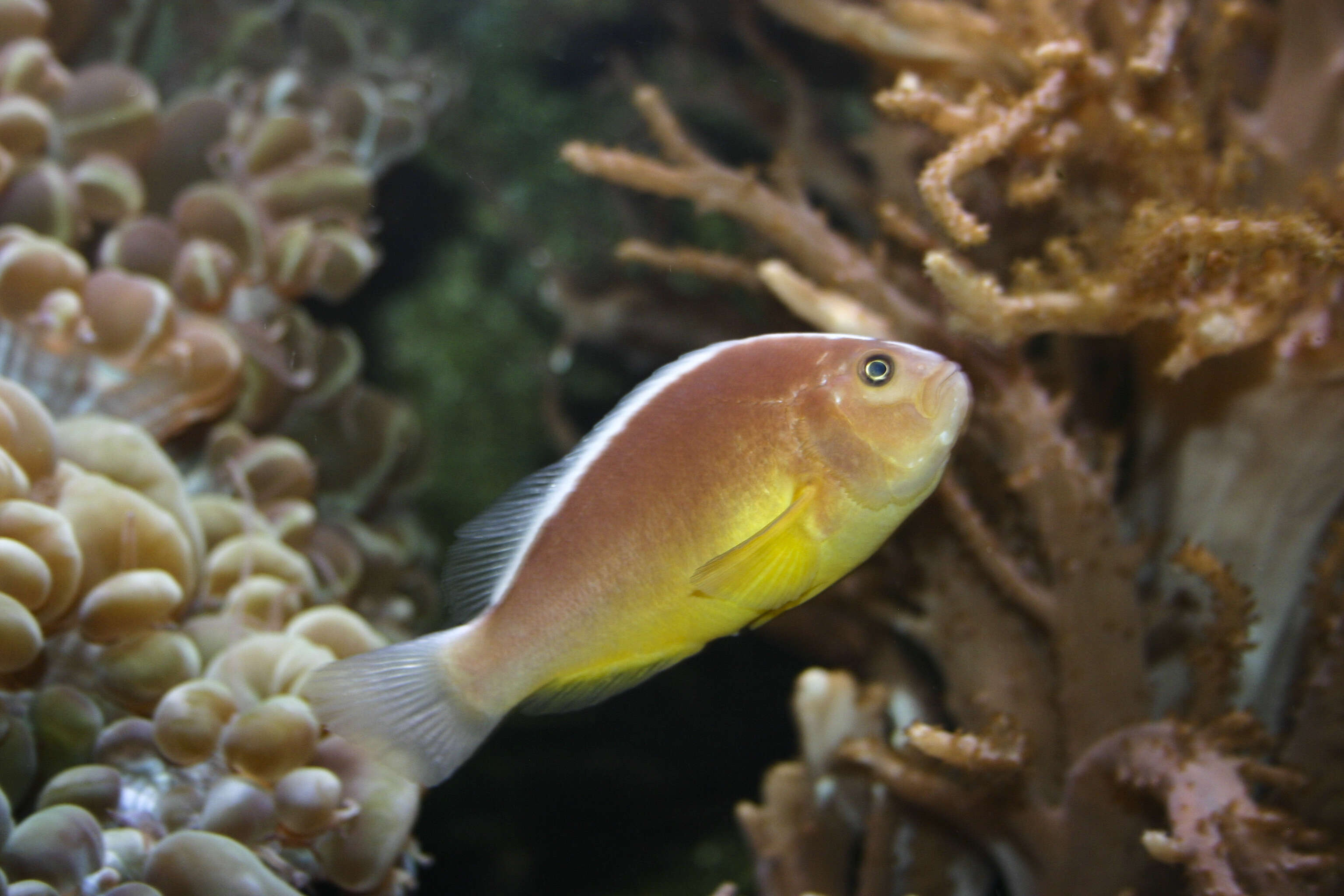
Amphiprion akallopisos Bleeker, 1853 (skunk-stripe anemonefish)
Found in shallow inshore reef habitats, often in strong current zones to about 15 m depth . Are protandrous hermaphrodites . Each pair is monogamous . Each anemone with a large female, a smaller functional male and ...
Lire la suite
Lire la suite
Amphiprion sandaracinos Allen, 1972 (Golden anemonefish)
Occurs in lagoon and outer reefs. Occurs in pairs and small groups . Monogamous . A protandrous hermaphrodite . Associated with the anemones: Heteractis crispa and Stichodactyla mertensii . Has been reared in captivity .
Amphiprion percula (Lacepède, 1802) (Orange clownfish)
Inhabits lagoon and seaward reefs . Each group of fish consists of a breeding pair and 0-4 non-breeders. Within each group there is a size-based hierarchy: the female is largest, the male is second largest, and the ...
Lire la suite
Lire la suite
Amphiprion perideraion Bleeker, 1855 (False skunk-striped anemonefish)
Inhabits lagoon and seaward reefs . Mainly diurnal. Non-burrowing. Monogamous . A protandrous hermaphrodite . Associated with the anemones: Heteractis magnifica , Heteractis crispa, Macrodactyla doreensis, and St...
Lire la suite
Lire la suite
Amphiprion barberi Allen, Drew & Kaufman, 2008
The species is common on coral reefs, about 2-10 m and is generally commensal with large sea anemones, either Entacmaea quadricolor (Rüppell & Leuckart, 1828) orHeteractis crispa . It is usually seen in groups tha...
Lire la suite
Lire la suite
Brissus brissus (Leske, 1778)
Xenia actuosa Verseveldt & Tursch, 1979
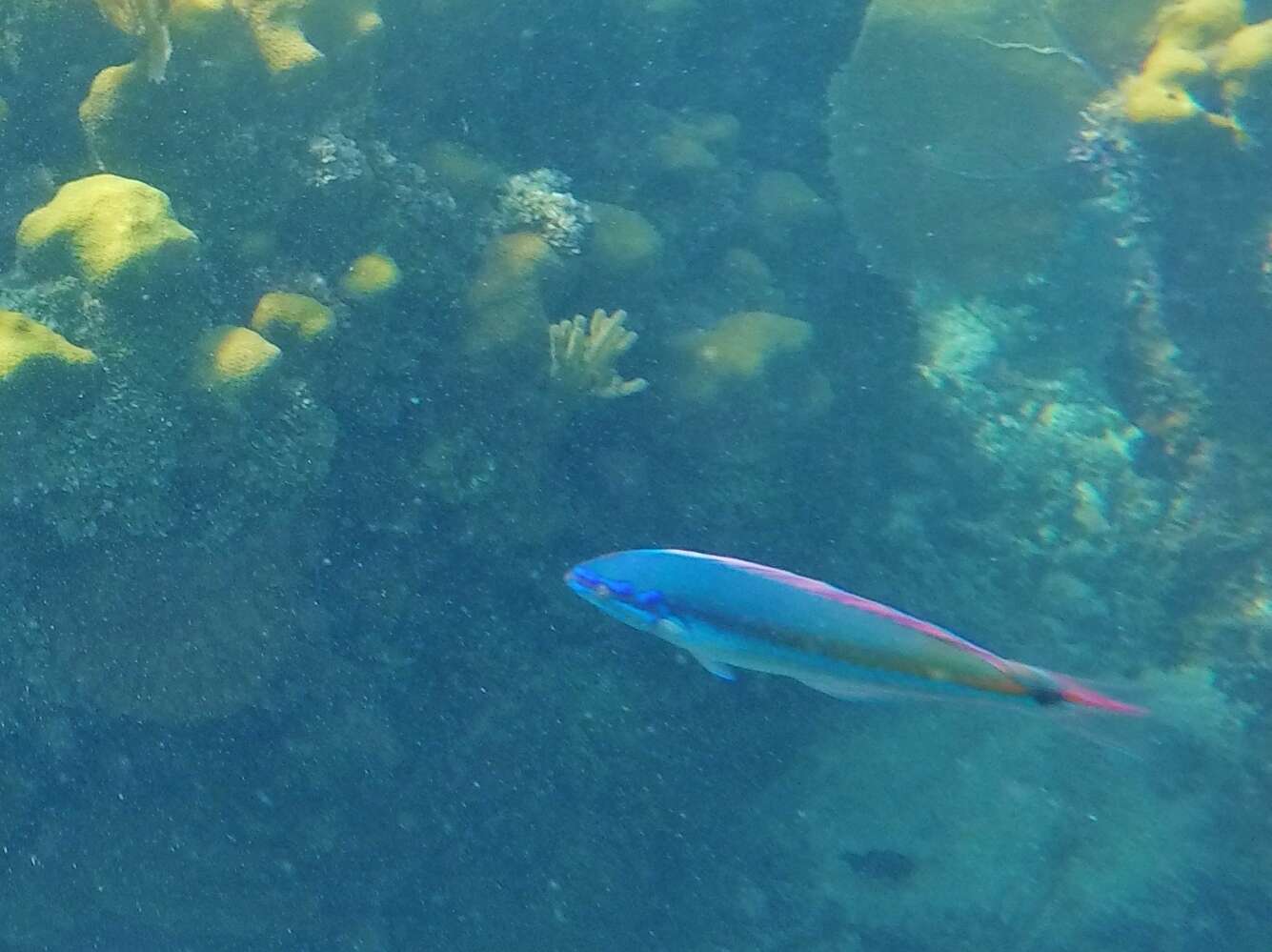
Halichoeres semicinctus (Ayres, 1859) (rock wrasse)
Halichoeres pictus (Poey, 1860) (painted wrasse)
Inhabits coral reefs, normally high above the bottom. Swims with worm-like movements. Feeds on various invertebrates. A protogynous hermaphrodite . Generally of no interest to fisheries because of its small average size .
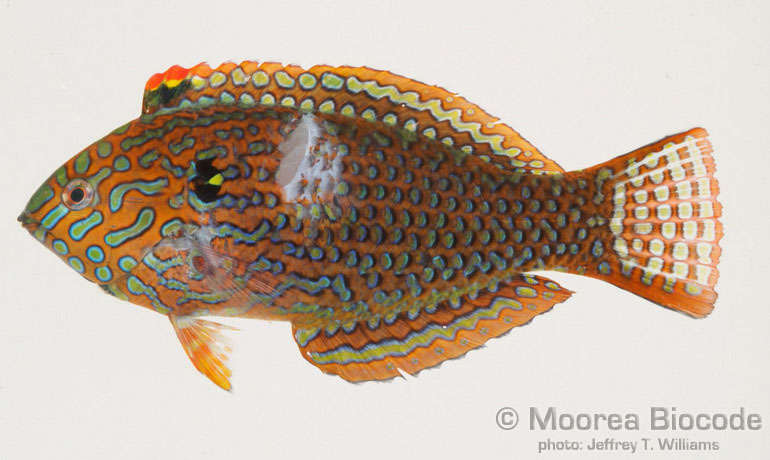
Macropharyngodon meleagris (Valenciennes, 1839) (Blackspotted wrasse)
Inhabits subtidal reef flats and outer lagoon and seaward reefs . Usually in areas with mixed sand, rubble, and coral . Feeds mainly on gastropods, other hard-shelled prey , and foraminiferans . Rarely marketed. Minimum depth reported from Ref. 27115.
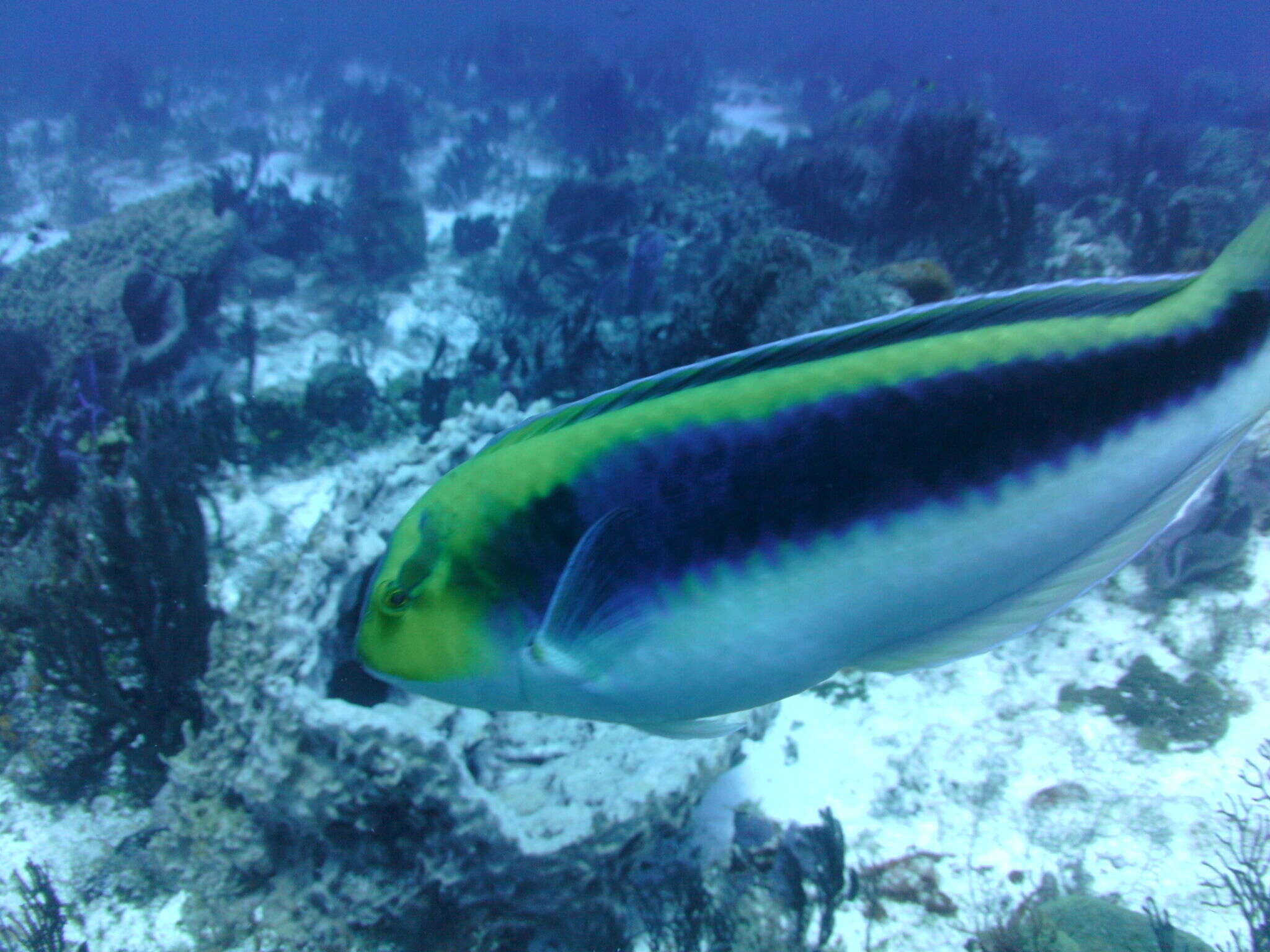
Halichoeres cyanocephalus (Bloch, 1791) (yellowcheek wrasse)
Found over hard substrates . Juveniles up to 8 cm act as specialized cleaners. Each individual tends a defined cleaning station sought by several species of reef fishes including damselfishes, goatfishes, and surgeon...
Lire la suite
Lire la suite
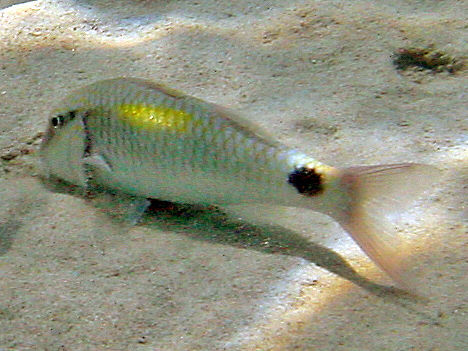
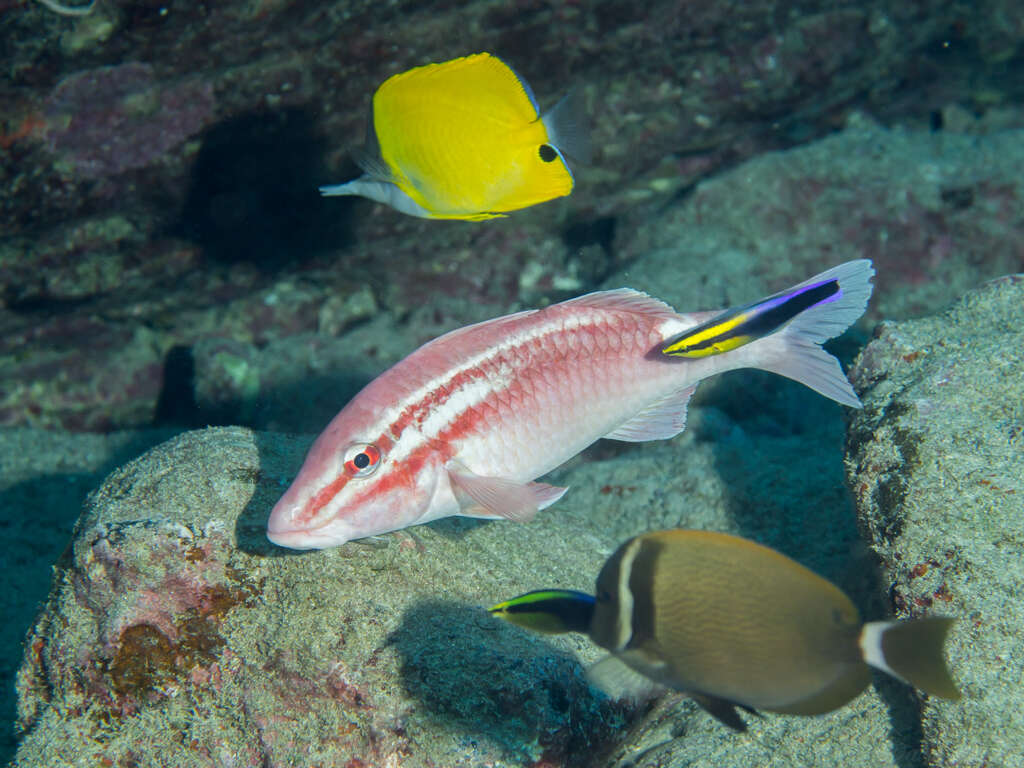
Parupeneus indicus (Shaw, 1803) (Indian goatfish)
Inhabit shallow sandy or silty areas of coastal and inner lagoon reefs . Occur singly or in schools . Large adults usually at moderate depths to about 30 m . Feed on benthic invertebrates; the diet including small ...
Lire la suite
Lire la suite
Parupeneus chrysonemus (Jordan and Evermann, 1903) (Yellow-threaded goatfish)
Found over sand . Generally found at depths deeper than 60 meters .
Parupeneus porphyreus (Jenkins, 1903) (whitestriped goatfish)
Inhabits lagoon and seaward reefs; in small groups under ledges or among corals by day, dispersing at night to feed among rocks and corals on benthic crustaceans . It is a nocturnal predator that feeds mostly on benth...
Lire la suite
Lire la suite
Mullus auratus Jordan and Gilbert, 1882 (goatfish)
Inhabits neritic waters, especially over sand or mud bottoms . Flesh considered excellent quality; marketed fresh .
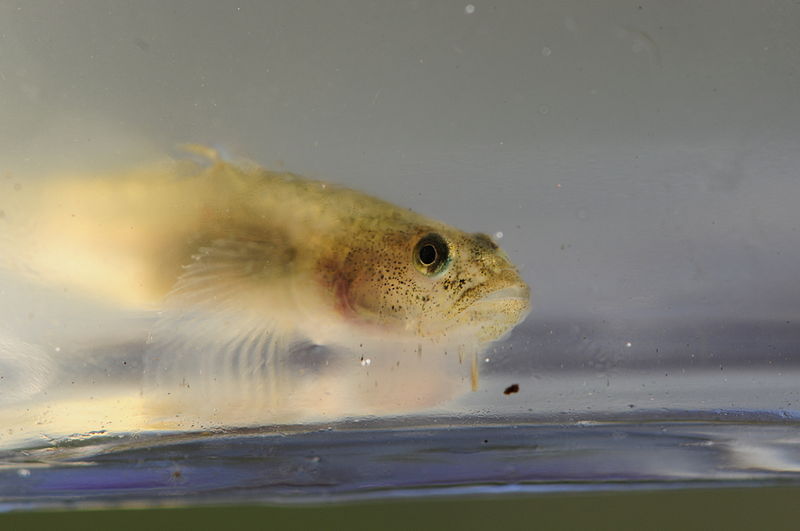
Eucyclogobius newberryi (Girard, 1856) (tidewater goby)
Inhabits coastal lagoons and brackish bays at mouth of freshwater streams . IS subjected to wide variation in salinity (1-28 ppt.) and temperature (9-25°C) both within and among habitat types. The substrate and veget...
Lire la suite
Lire la suite
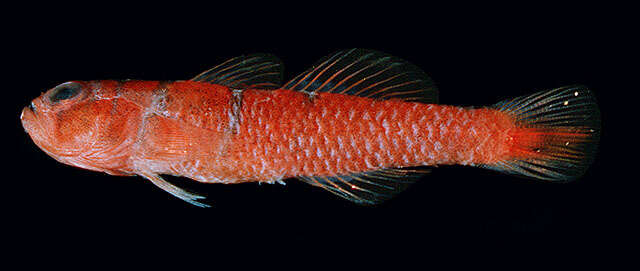
Trimma eviotops Schultz, 1943 (Red-barred rubble goby)
Inhabits lagoons and on the 'reef top' .
Partager sur les Réseaux Sociaux
- Facebook:

Personnalisez le texte de partage et son emplacement (mur, page, ...) ou envoyez le en tant que message privé à un de vos amis
- Twitter: Tweet personnalisez votre tweet
- Google Plus:
Lien direct vers cette plongée
- Lien complet :
- Lien abrégé :


 Diveboard participe aujourd'hui au concours de startups Techcrunch Disrupt. Montrez que vous aimez Diveboard en votant pour nous !


























































































1st dive 2 tank trip aboard Datu Budas
CGBR South side @Coral Gardens, Talikud
Drop in offshore, deep loop back to shallows and boat
calm, clear water, slight current, flat calm PC surface
multilevel , solo neae other divers