


 États-Unis

-
Nº9
 Date : 2014-08-02 - 08:45
-
 Profondeur Max: 12.8m Durée : 52mins
Photos

Aucune photo sur cette plongée
- Temp: Surf 27°C Fond 24°C
- Type de plongée : Loisir, Grotte, Récif
- Visibilité : Moyenne Type d'eau Salée
Equipement particulier utilisé
- Lest : 6.4 kg
Dive reviews
| Avis global | ||
| Difficulté de la plongée | ||
| Qualité de la flore et de la faune | ||
| Gros poisson |
Récemment sur Hawaii Oahu
Photos récentes sur Hawaii Oahu
Centre de plongée & Palanquée
 Palanquée :
Jim Kysar,
Katie Kysar,
Tlc

URL pour ce spot :
- Site :
- Pays
- Zone :
- Mer/Océan/Lac/Rivière :
Profil de plongée
- 1. Trimix 21/0
- 0L Aluminium 200 → 50 bar
- Profondeur moyenne: m
- 2. Trimix 21/0
- 0L Steel 200 → 50 bar
- Profondeur moyenne: m
- 3. Trimix 21/0
- 0L Steel 200 → 50 bar
- Profondeur moyenne: 7.5m
Données fournies par EOL.org


Espèces identifiées
Chlorurus genazonatus (Randall and Bruce, 1983) (Sinai parrotfish)
Inhabits reef slopes . Feeds on benthic algae .
Sphyraena novaehollandiae Günther, 1860 (Australian barracuda)
Occurs in channels and other semi-protected areas. Found in schools. Feeds on various small fish .
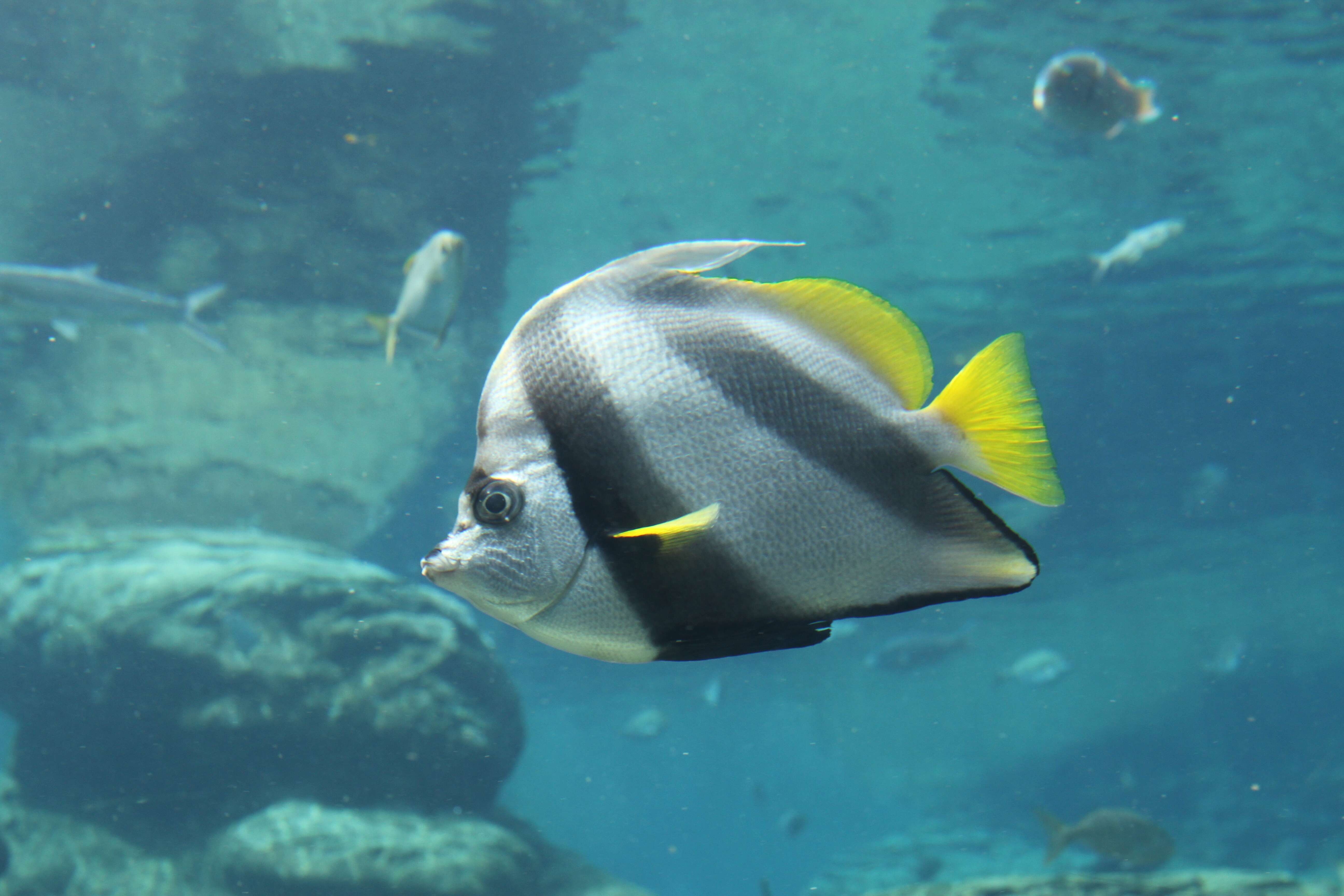
Heniochus diphreutes Jordan, 1903 (False moorish idol)
Occur primarily along outer reef slopes, in current channels. Juveniles in aggregations around isolated patch reefs, adults in large schools well above the bottom . In Indonesia, adults most common in depth 40-50 m, ...
Lire la suite
Lire la suite
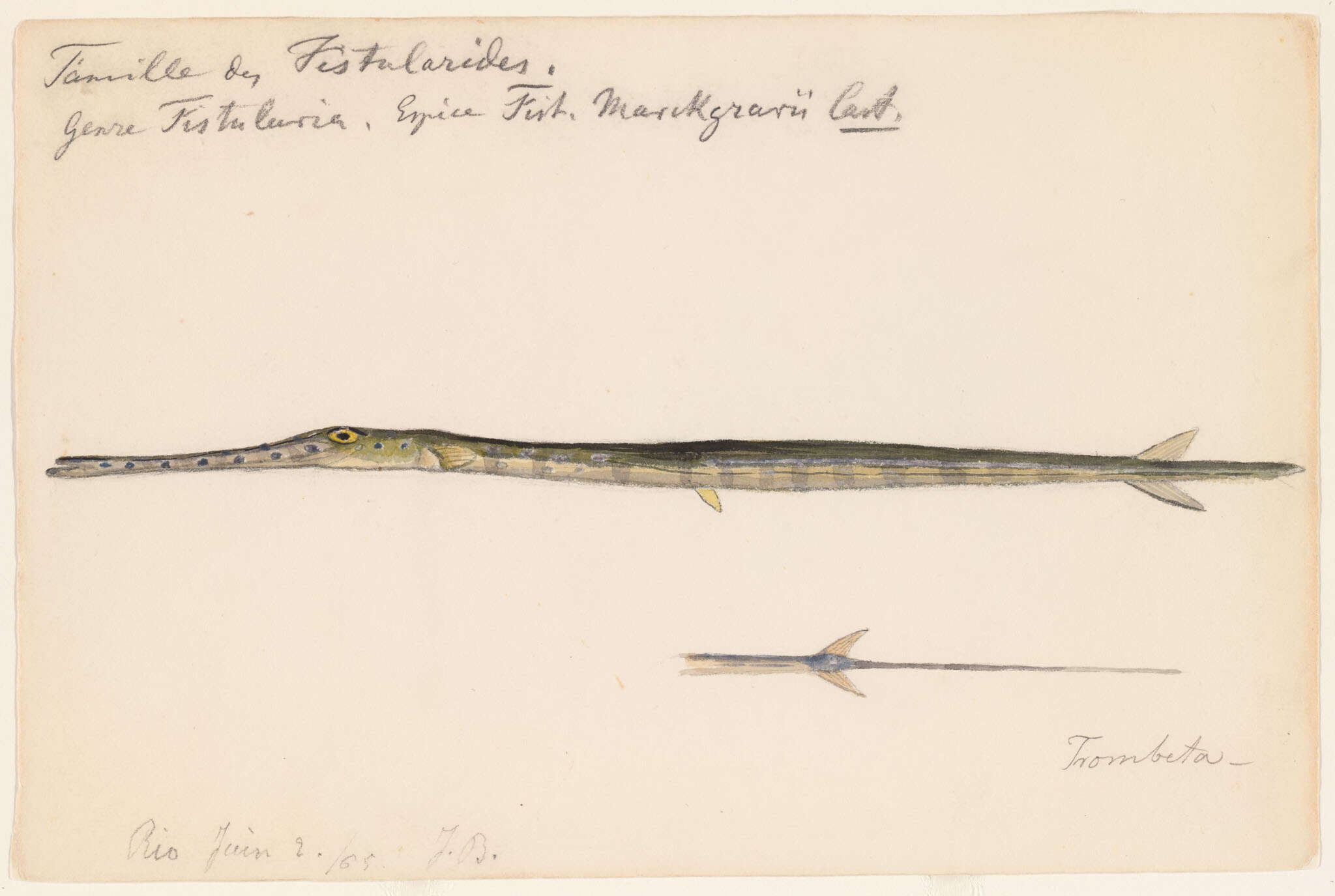
Fistularia tabacaria Linnaeus, 1758 (bluespotted cometfish)
A solitary species occurs over grass flats and reefs, and on hard and rocky bottoms . Feeds on fishes, small crustaceans or invertebrates.
Aetobatus narinari (Euphrasen, 1790) (Bishop ray)
Large groups of spotted eagle rays may be seen outside of the breeding season. These rays swim close to the surface and can occasionally be seen jumping clear out of the water (known as 'breaching') . Females give birt...
Lire la suite
Lire la suite
Partager sur les Réseaux Sociaux
- Facebook:

Personnalisez le texte de partage et son emplacement (mur, page, ...) ou envoyez le en tant que message privé à un de vos amis
- Twitter: Tweet personnalisez votre tweet
- Google Plus:
Lien direct vers cette plongée
- Lien complet :
- Lien abrégé :


 Diveboard participe aujourd'hui au concours de startups Techcrunch Disrupt. Montrez que vous aimez Diveboard en votant pour nous !


























































































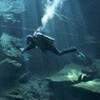
It was a good dive. We started through the elevator shaft and I met up with Tina and we headed left through the reef. There were lots of statue-like figures and we saw a comet-fish, a spotted eagle ray, a school of barracuda and a clown-fish. At the safety stop we did reg recovery and headed up.