 Susilo Utomo


 Indonésie
-
Nº18
 Date : 2017-11-18 - 15:05
-
 Profondeur Max: 22.5m Durée : 54mins
Site de plongée

- Temp: Surf 30°C Fond 29°C
- Type de plongée : Loisir
- Visibilité : Bonne Type d'eau Salée
Equipement particulier utilisé
- Chaussons: Tabata / Tusa - DB0101 Imprex
- Ordinateur: Suunto - D4i Novo Black
- Palmes: Tabata / Tusa - SF0101 Hyflex Vesna
- Masque: Tabata / Tusa - M1003 Freedom Elite
- Autre: Tabata / Tusa - SP-170 Platina II Hyperdry
- Combi humide: Henderson - A830MB-63-S Thermoprene
- Lest : 5 kg
Récemment sur Bunaken National Marine Park
Photos récentes sur Bunaken National Marine Park

URL pour ce spot :
- Site :
- Pays
- Zone :
- Mer/Océan/Lac/Rivière :
Profil de plongée
- 1. Air
- 12L Aluminium 200 → 30 bar
- Profondeur moyenne: 11.8m
Données fournies par EOL.org


Espèces identifiées
Eretmochelys imbricata (LINNAEUS) 1766 (Hawksbill Turtle)
Hawksbills may take decades to mature and it could be between 20 to 40 years before they are ready to breed . Upon reaching sexual maturity, a female will typically lay up to five clutches of around 100 to 140 eggs in ...
Lire la suite
Lire la suite
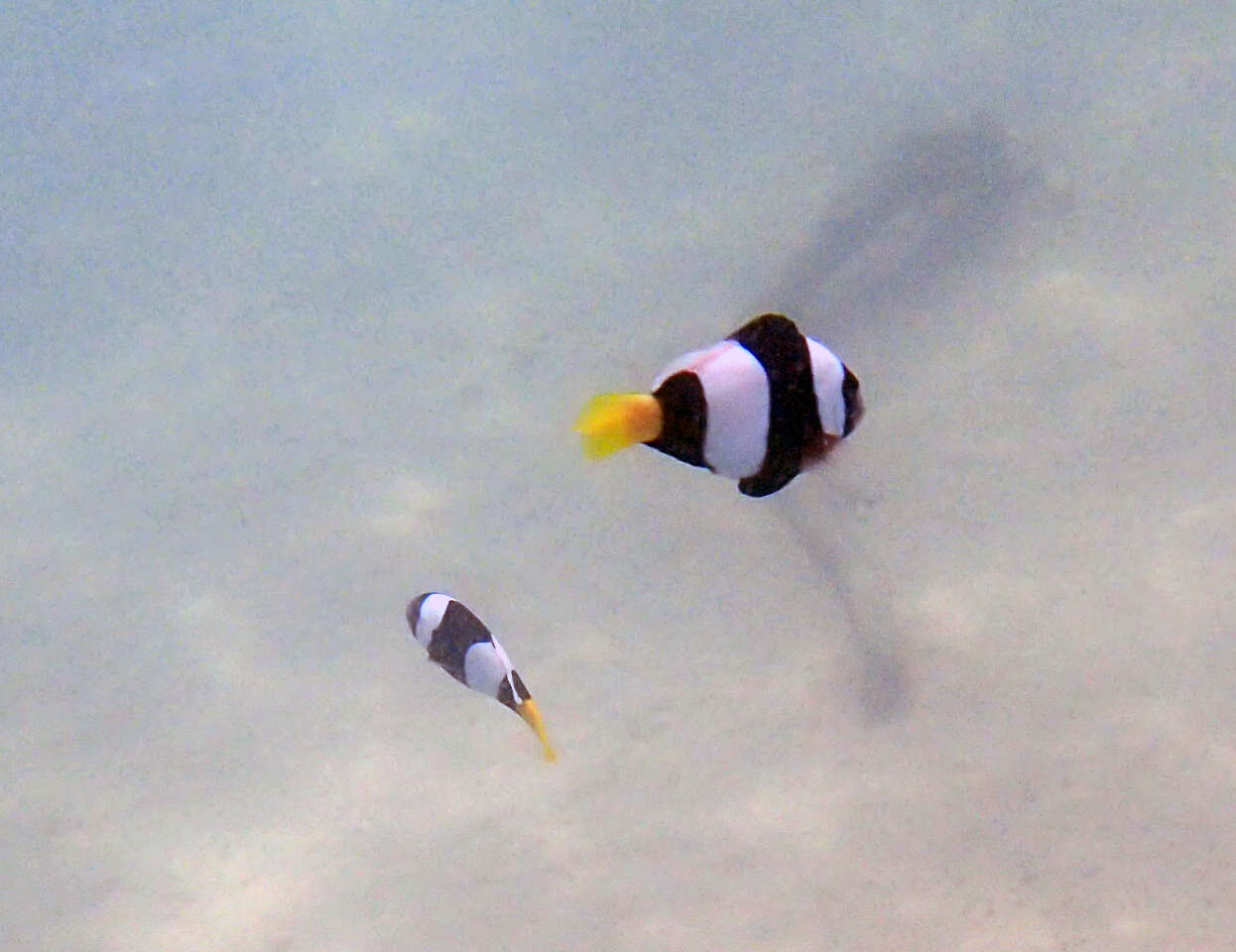
Amphiprion sebae Bleeker, 1853 (Sebae anemonefish)
Found in coastal waters and lagoons. It grows rather large . Associated with the anemone Stichodactyla haddoni .
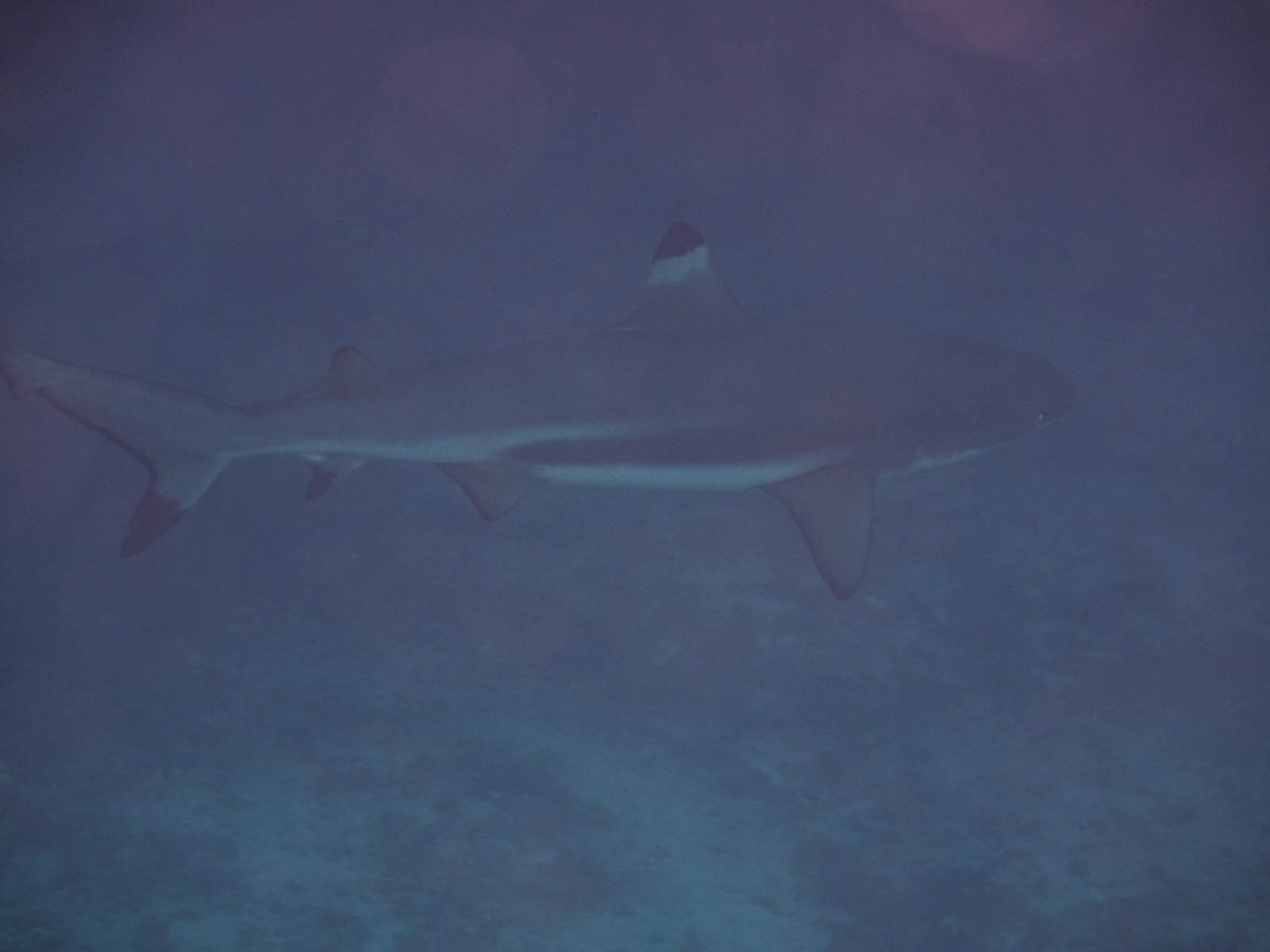
Carcharhinus melanopterus (Quoy and Gaimard, 1824) (blacktip reef shark)
This powerful swimmer is well known for its tendency to enter incredibly shallow water, and is often found in water only 30 centimetres deep or less, with its distinctive dorsal fin protruding from the surface of the w...
Lire la suite
Lire la suite
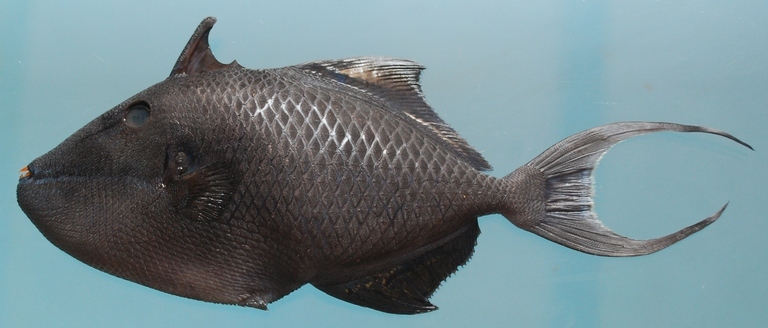
Odonus niger (Rüppell, 1836) (Redtoothed triggerfish)
Inhabits reef channels or along slopes that are subject to strong currents . Occur in current-swept seaward coral reefs. Usually form aggregations and feed on zooplankton as well as sponges . Juveniles associated wi...
Lire la suite
Lire la suite
Scorpaenopsis macrochir Ogilby, 1910 (Flasher scorpionfish)
A rare inhabitant of mixed sand and rubble areas of reef flats and shallow lagoons. Usually buries itself in the substrate when in sand or sits amongst rubble where it has good camouflage . Anterolateral glandular grooves with venom gland .
Partager sur les Réseaux Sociaux
- Facebook:

Personnalisez le texte de partage et son emplacement (mur, page, ...) ou envoyez le en tant que message privé à un de vos amis
- Twitter: Tweet personnalisez votre tweet
- Google Plus:
Lien direct vers cette plongée
- Lien complet :
- Lien abrégé :


 Diveboard participe aujourd'hui au concours de startups Techcrunch Disrupt. Montrez que vous aimez Diveboard en votant pour nous !