


 Steve


 Mexique

-
Nº32
 Date : 2011-09-21 - 19:00
-
 Profondeur Max: 16.8m Durée : 54mins
Photos

Aucune photo sur cette plongée
- Temp: Surf 29°C Fond 28°C
- Type de plongée : Loisir, Plongée de nuit, Récif, Boat, Wall
- Visibilité : Bonne Type d'eau Salée
Equipement particulier utilisé
- Lest : 7.3 kg
Dive reviews
| Avis global | ||
| Difficulté de la plongée | ||
| Qualité de la flore et de la faune |
Récemment sur Cozumel, Quintana Roo


Photos récentes sur Cozumel, Quintana Roo
Centre de plongée & Palanquée
 Plongée avec Che White 262282 de Dressel Divers Club
 Palanquée :
Tammy S

URL pour ce spot :
- Site :
- Pays
- Zone :
- Mer/Océan/Lac/Rivière :
Profil de plongée
- 1. Air
- 10L Aluminium 207 → 55 bar
- Profondeur moyenne: 11.2m
Données fournies par EOL.org




Espèces identifiées
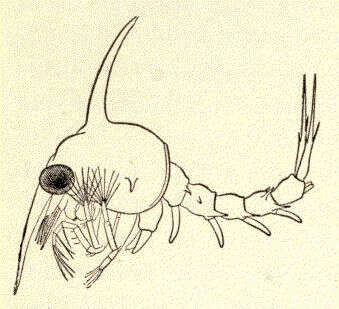
Cancer irroratus Say, 1817 (Atlantic rock crab)
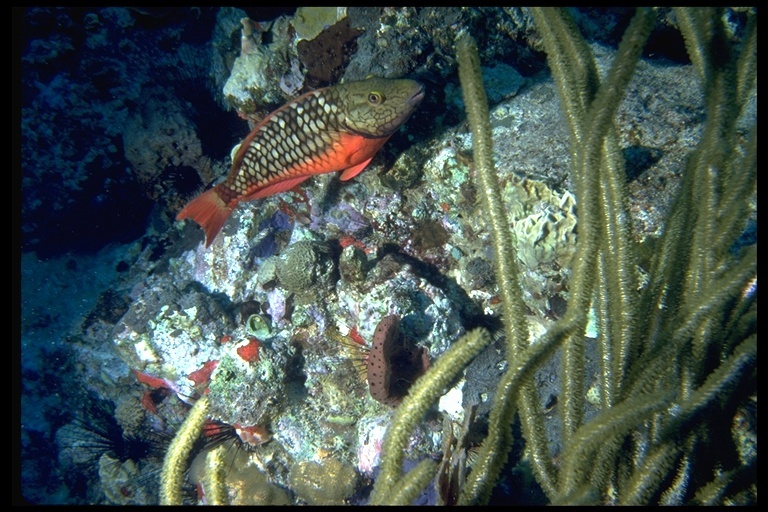
Sparisoma viride (Bonnaterre, 1788) (Dark green parrotfish)
Inhabits coral reefs with clear water . Young may be found in seagrass beds and other heavily vegetated bottoms. Feeds mainly on soft algae, but has been observed to graze on live corals like, Montastraea annularis ....
Lire la suite
Lire la suite
Ginglymostoma cirratum (Bonnaterre, 1788) (Nurse shark)
During the day the nurse shark is a sluggish animal, spending most of its time resting on sandy bottoms, or in crevices in rocks and coral reefs. Often several nurse sharks may congregate when resting, sometimes even ...
Lire la suite
Lire la suite
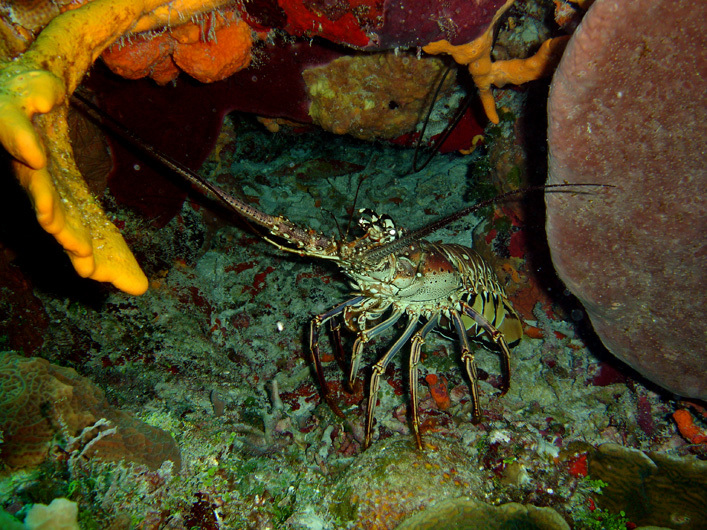
Panulirus argus (Latreille, 1804) (Caribbean spiny lobster)
Aetobatus narinari (Euphrasen, 1790) (Bishop ray)
Large groups of spotted eagle rays may be seen outside of the breeding season. These rays swim close to the surface and can occasionally be seen jumping clear out of the water (known as 'breaching') . Females give birt...
Lire la suite
Lire la suite
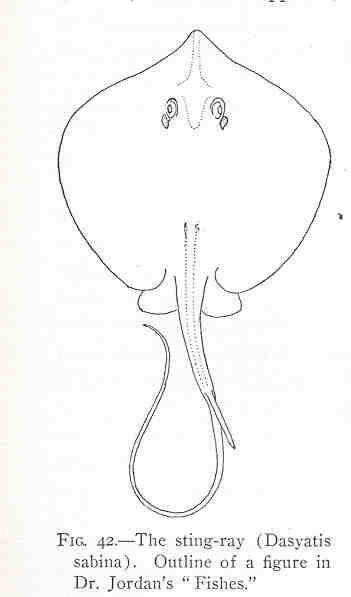
Dasyatis sabina (Lesueur, 1824) (Atlantic stingray)
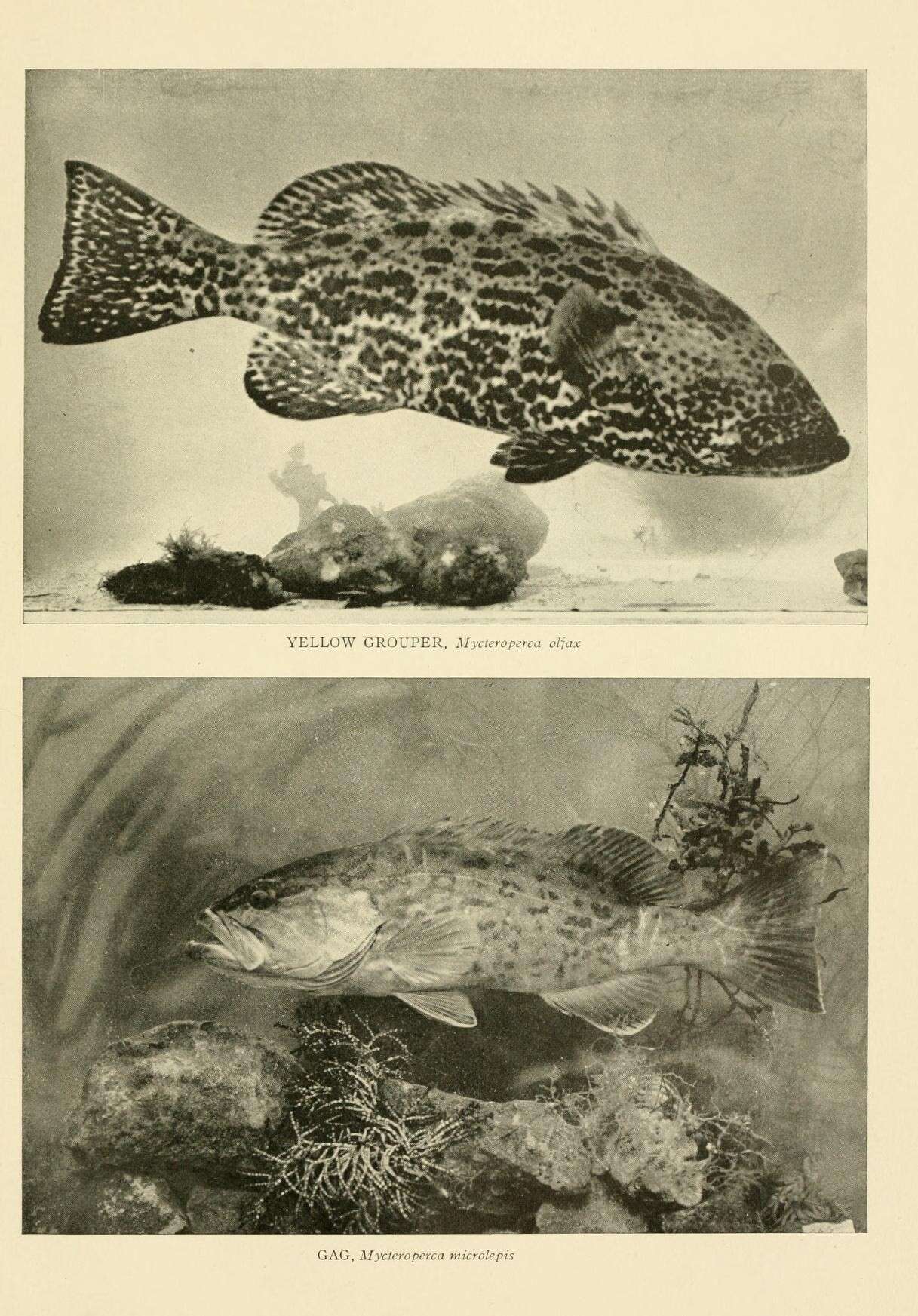
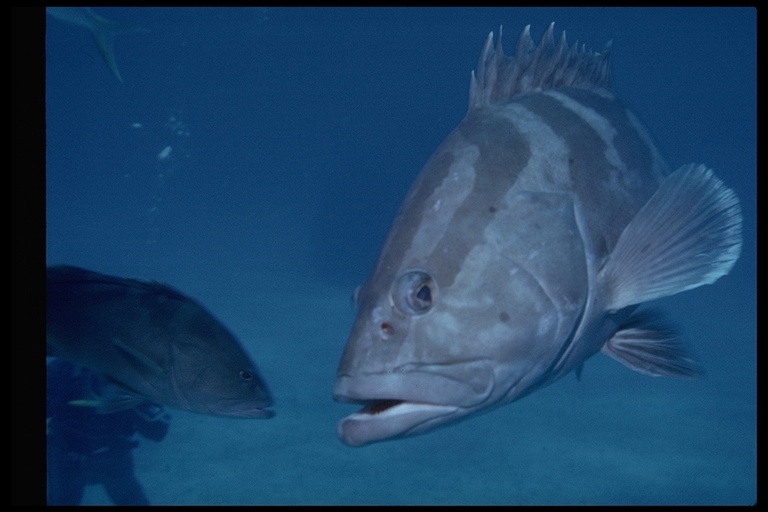
Mycteroperca venenosa (Linnaeus, 1758) (Grouper)
Adults found on rocky and coral reefs, juveniles occur in shallow turtle grass beds. Also been taken in trawls over mud bottom in the northern Gulf of Mexico. Feeds mainly on fishes and squids. Although often impli...
Lire la suite
Lire la suite
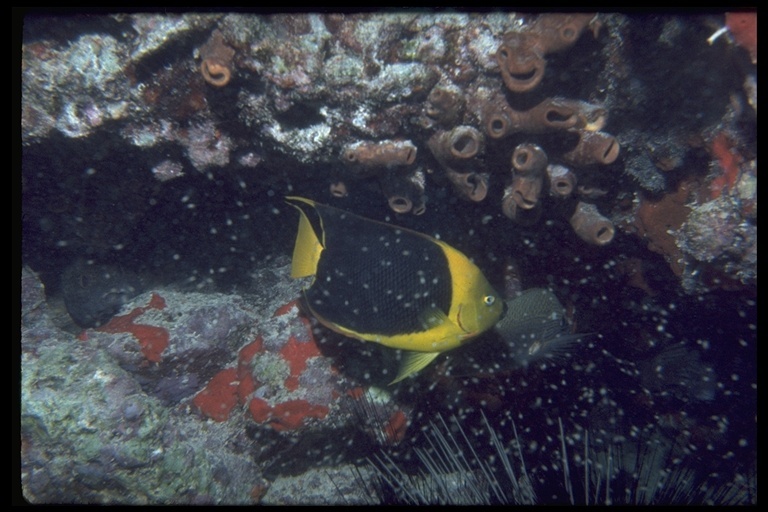
Holacanthus tricolor (Bloch, 1795) (Angelfish)
Inhabits rock jetties, rocky reefs and rich coral areas. Juveniles often associated with fire corals . Feeds on tunicates, sponges, zoantharians and algae. Marketed fresh .
Holacanthus ciliaris (Linnaeus, 1758) (queen angelfish)
Found on coral reefs. Generally occurs solitarily or in pairs. Moves gracefully between seafans, seawhips, and corals . Stomach contents of 26 specimens indicate that the species feeds almost exclusively on sponges ...
Lire la suite
Lire la suite
Atherinella milleri (Bussing, 1979) (Silverside)
Found along the coast and in estuaries, may ascend rivers . Feeds on crustaceans, terrestrial and aquatic insects, and diatoms .
Anchoa hepsetus (Linnaeus, 1758) (Anchovy)
Forms dense schools, often in shallow waters close to shore. Able to tolerate a wide range of salinities, from hypersaline to almost fresh. Feeds on copepods when young, then on gastropods, foraminifers and an occasi...
Lire la suite
Lire la suite
Epinephelus striatus (Bloch, 1792) (Nassau grouper)
Adults are generally solitary, with the exception of spawning events when hundreds to thousands of individuals were known to group together. In the southern extent of the grouper's range, these awesome aggregations occ...
Lire la suite
Lire la suite
Petrochirus diogenes (Linnaeus, 1758) (Giant Hermit Crab)
Heteroconger hassi (Klausewitz & Eibl-Eibesfeldt, 1959) (Spotted garden-eel)
Often found on sandy slopes below 15 m; withdraws into its burrow when approached. Usually in colonies containing up to several hundred individuals.
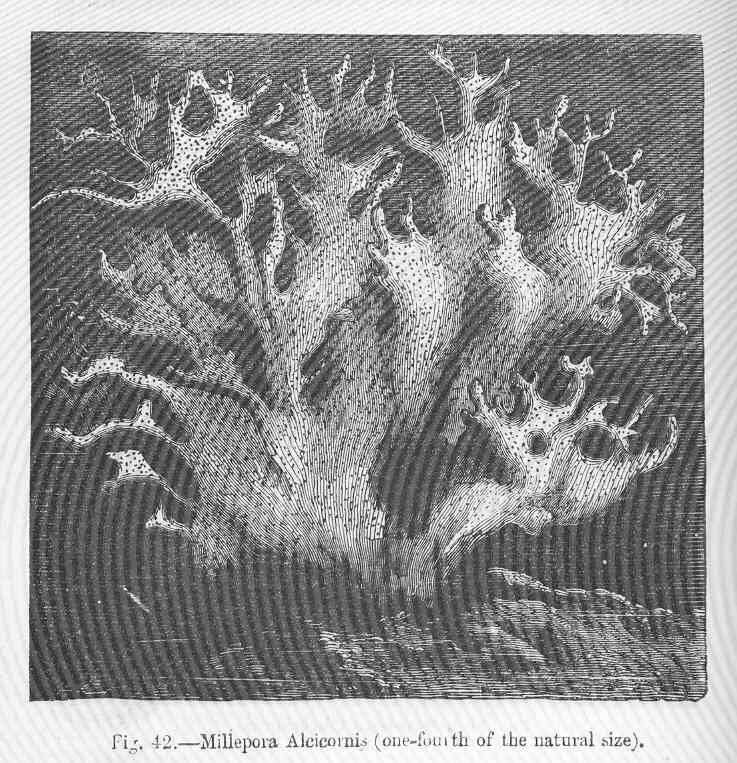
Millepora alcicornis Linnaeus, 1758 (fire coral)
colonial, calcareous skeleton
Partager sur les Réseaux Sociaux
- Facebook:

Personnalisez le texte de partage et son emplacement (mur, page, ...) ou envoyez le en tant que message privé à un de vos amis
- Twitter: Tweet personnalisez votre tweet
- Google Plus:
Lien direct vers cette plongée
- Lien complet :
- Lien abrégé :


 Diveboard participe aujourd'hui au concours de startups Techcrunch Disrupt. Montrez que vous aimez Diveboard en votant pour nous !


























































































Awesome Sunset, storm gathering with great colors. Very flat water upon entry.
HighLights: Saw 2 big rays on the descent, several urchins, big turtle, 3 octopi, crabs galore, lobsters, huge Hermit crab in a large conch shell - like 1-2 feet. Hogfish, splendid toad in case, jack fish, angelfish - beautiful blue, a mixed current, bioluminescent plankton - turned off lights, sea lice at the safety stop.
Training: Advanced Night