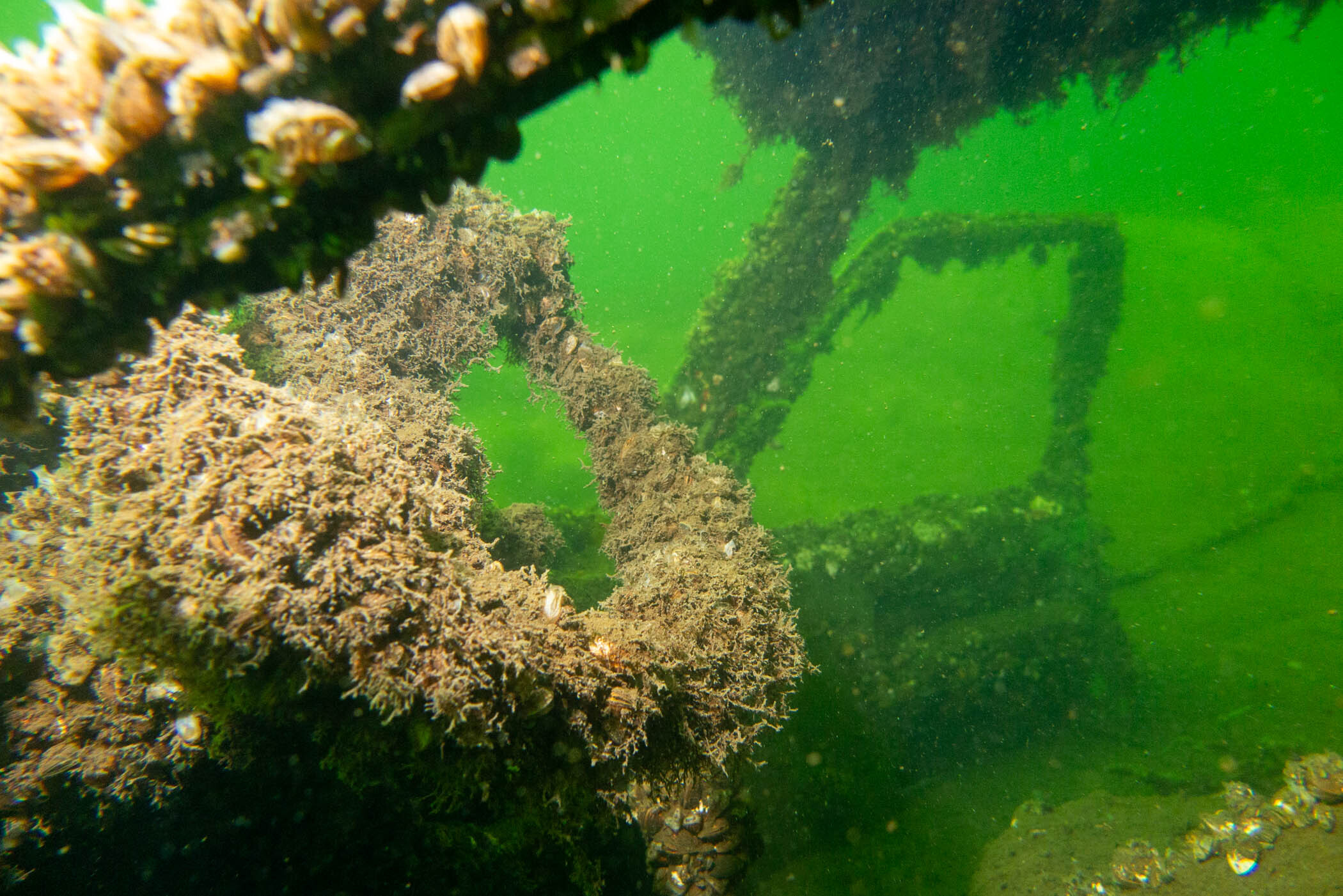
Thaïlande

-
Nº2
 Date : 2015-01-04 - 10:45
-
 Profondeur Max: 25m Durée : 50mins
Photos

Aucune photo sur cette plongée
- Interface de surface:60 mins
- Temp: Surf 29°C Fond 29°C
- Type de plongée : Loisir, Récif, Photo
- Visibilité : Excellente Type d'eau Salée
Equipement particulier utilisé
- Lest : 2 kg
Dive reviews
| Avis global | ||
| Difficulté de la plongée | ||
| Qualité de la flore et de la faune |
Récemment sur Koh Phi Phi
Photos récentes sur Koh Phi Phi
Centre de plongée & Palanquée
 Plongée avec Darren de Thailand Divers Phuket.

URL pour ce spot :
- Site :
- Pays
- Zone :
- Mer/Océan/Lac/Rivière :
Profil de plongée
Données fournies par EOL.org



Espèces identifiées
Naso brachycentron (Valenciennes, 1835) (Humpback unicornfish)
Inhabits deep coastal, usually in small groups but occasionally in large schools . An uncommon species found in seaward reef slopes , also along rocky shores . Feeds on benthic algae . Caught with nets .
Eretmochelys imbricata (LINNAEUS) 1766 (Hawksbill Turtle)
Hawksbills may take decades to mature and it could be between 20 to 40 years before they are ready to breed . Upon reaching sexual maturity, a female will typically lay up to five clutches of around 100 to 140 eggs in ...
Lire la suite
Lire la suite
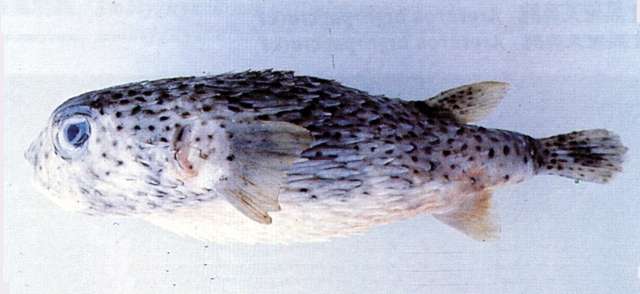
Diodon eydouxii Brisout de Barneville, 1846 (Pelagic porcupinefish)
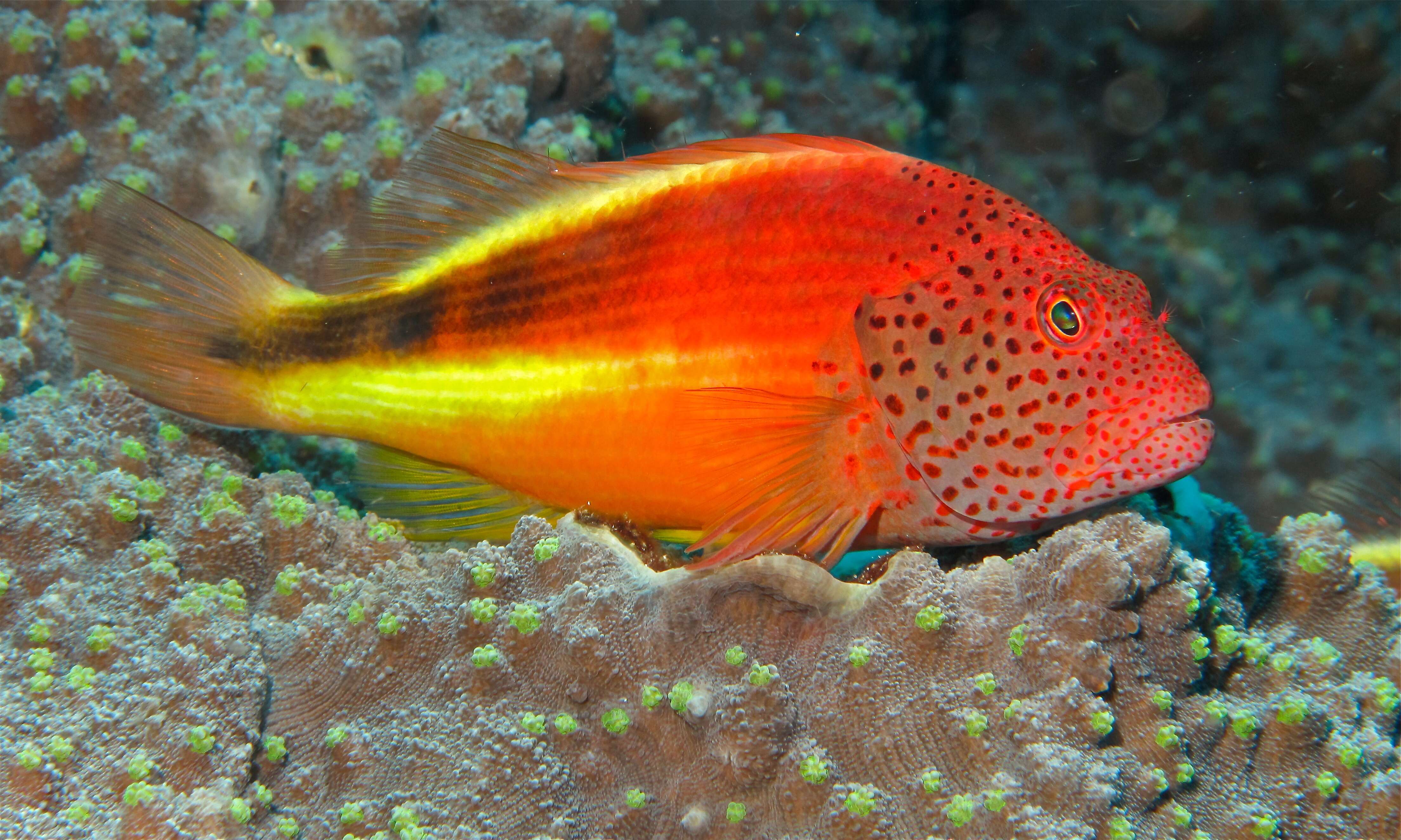
Paracirrhites forsteri (Schneider, 1801) (Blackside hawkfish)
Inhabits clear lagoon or seaward reefs to at least 33 m depth , but may venture very deep. Occurs openly on coral and soft-bottom habitats, occasionally in pairs . Benthic . Tends to perch on outermost branches of S...
Lire la suite
Lire la suite
Cirrhitichthys oxycephalus (Bleeker, 1855) (Coral hawkfish)
Neoniphon sammara (Forsskål, 1775) (Sammara squirrelfish)
This schooling species inhabits seagrass beds and hard-bottomed habitats from the reef flat to depths of 46 m or more on lagoon and seaward reefs. Often found with branching Acropora coral . Most common Neophion foun...
Lire la suite
Lire la suite
Sargocentron rubrum (Forsskål, 1775) (Redcoat)
Found in coastal reefs ; silty reefs or wrecks in lagoons, bays, or harbors , may occur in aggregations; also found hidden in caves and cracks of rocks during the day , usually in areas subject to strong currents . Fe...
Lire la suite
Lire la suite
Partager sur les Réseaux Sociaux
- Facebook:

Personnalisez le texte de partage et son emplacement (mur, page, ...) ou envoyez le en tant que message privé à un de vos amis
- Twitter: Tweet personnalisez votre tweet
- Google Plus:
Lien direct vers cette plongée
- Lien complet :
- Lien abrégé :


 Diveboard participe aujourd'hui au concours de startups Techcrunch Disrupt. Montrez que vous aimez Diveboard en votant pour nous !