


 Marc


 Netherlands Antilles

-
Nº45
 Date : 2013-11-14 - 05:45
-
 Profondeur Max: 11.9m Durée : 57mins
Photos

Aucune photo sur cette plongée
- Temp: Surf 28°C Fond 25°C
- Type de plongée : Loisir, Plongée de nuit, Récif, Photo
- Visibilité : Excellente Type d'eau Salée
Equipement particulier utilisé
- Combi humide: Neo Sport - 2/5 mm
- Stab: Scubapro - TEK
- Chaussons: scubapro -
- Appareil photo: SeaLife - DC1200
- Ordinateur: Oceanic - Pro Plus 2
- Palmes: Scubapro - split Fins 16
- Masque: Oceanic -
- Détendeur: Scubapro - A700/MK25
- Lest : 4.5 kg
Dive reviews
| Avis global | ||
| Difficulté de la plongée | ||
| Qualité de la flore et de la faune |
Récemment sur Bonaire




Photos récentes sur Bonaire
Centre de plongée & Palanquée
 Palanquée :
Robyn

URL pour ce spot :
- Site :
- Pays
- Zone :
- Mer/Océan/Lac/Rivière :
Profil de plongée
- 1. Nitrox 32
- 10L Steel 207 → 34 bar
- Profondeur moyenne: 7.9m
Données fournies par EOL.org



Espèces identifiées
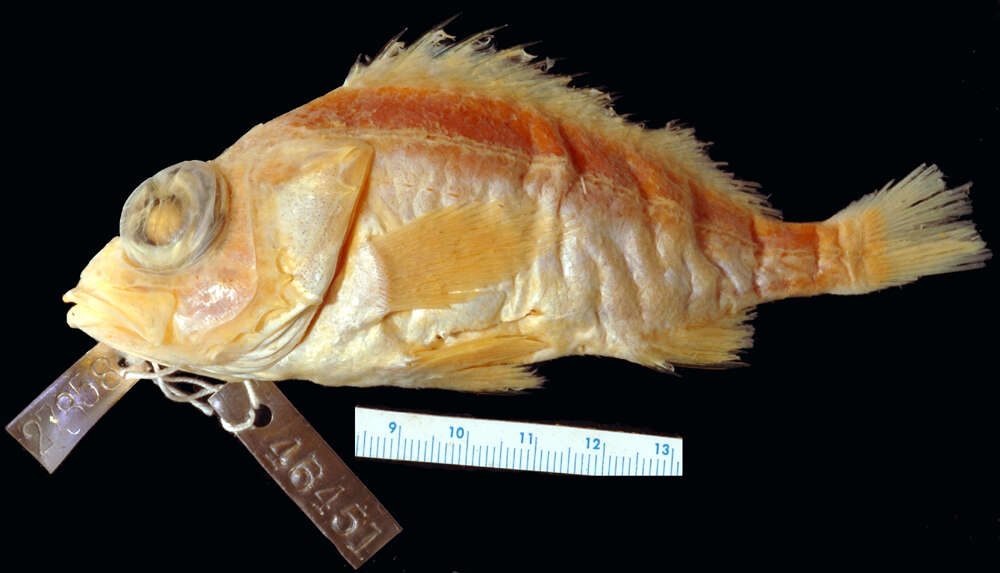
Sebastes diploproa (Gilbert, 1890) (Lobe-jawed rockfish)
Common offshore, on soft bottoms . Young occur in shallow water, often at surface under drifting kelp . Viviparous, with planktonic larvae and pelagic juveniles . The biggest individuals are sometimes found in markets where the flesh is sold as rockfish fillet . Rarely caught by anglers .)
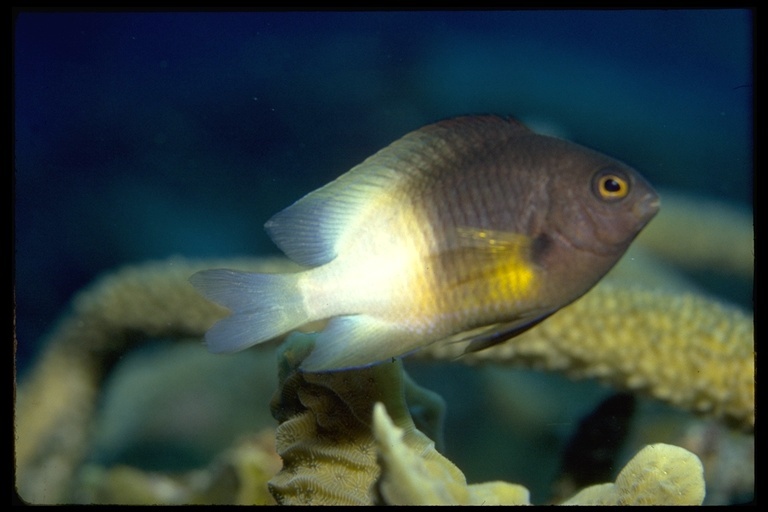
Stegastes partitus (Poey, 1868) (bicolor damselfish)
Inhabits shallow coral reefs and isolated patch reefs in deeper water. Feeds primarily on algae but also on polychaetes, hydroids, copepods and ascidians . Aggressively territorial but only around a small area . Taken incidentally in traps and small-meshed beach nets .
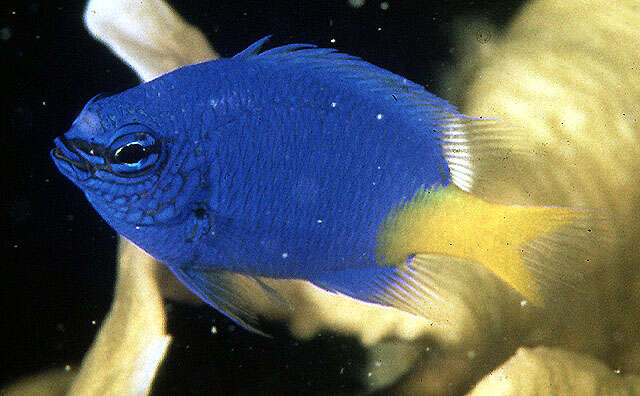
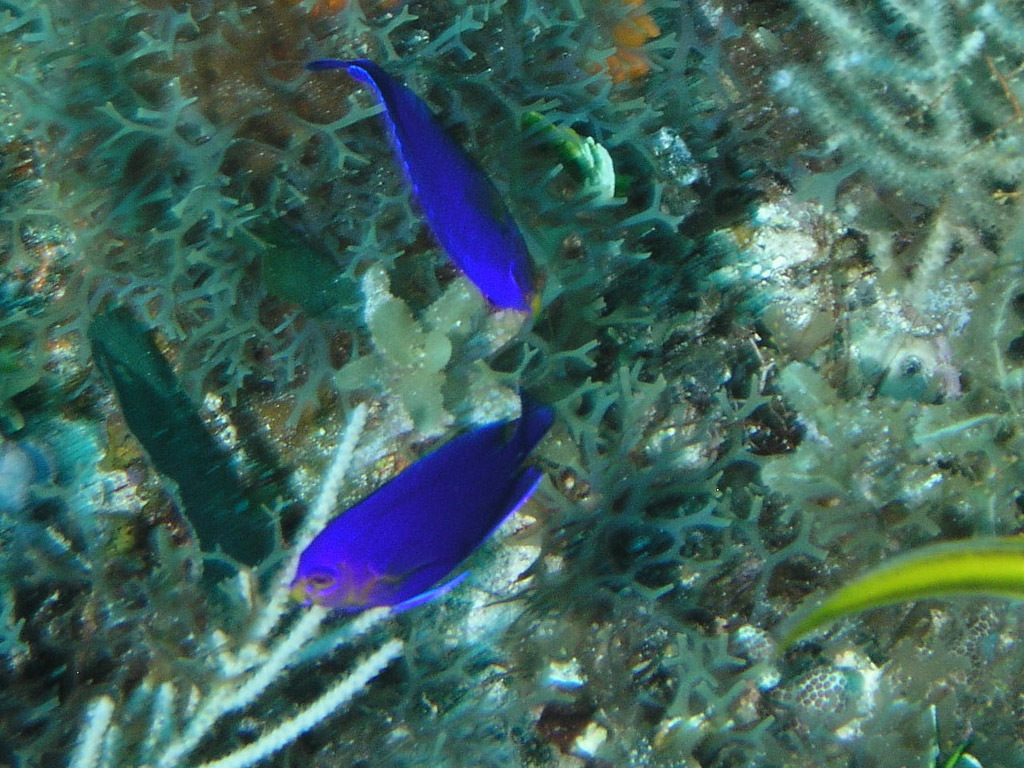
Chrysiptera parasema (Fowler, 1918) (Goldtail demoiselle)
Inhabits coral-rich areas of sheltered lagoon and inshore coral reefs . Occurs in small groups on Acropora patches .
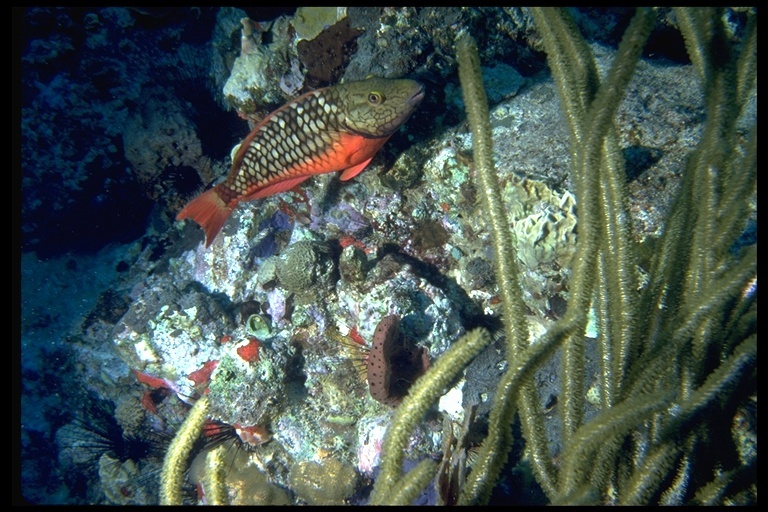
Sparisoma chrysopterum (Bloch and Schneider, 1801) (Blisterside)
Occurs in coral reefs and adjacent habitats, the young especially in seagrass beds. Juveniles or primary-phase adults rapidly assume a mottled pattern with which they blend with the substratum when they come to rest on the bottom. Feeds on benthic algae and seagrasses.
Sparisoma viride (Bonnaterre, 1788) (Dark green parrotfish)
Inhabits coral reefs with clear water . Young may be found in seagrass beds and other heavily vegetated bottoms. Feeds mainly on soft algae, but has been observed to graze on live corals like, Montastraea annularis ....
Lire la suite
Lire la suite
Stegastes diencaeus (Jordan and Rutter, 1897) (Honey damselfish)
Inhabits coral and rocky reefs of sheltered lagoons and inshore areas. Territorial and pugnacious . Taken incidentally in traps and small-meshed beach nets .
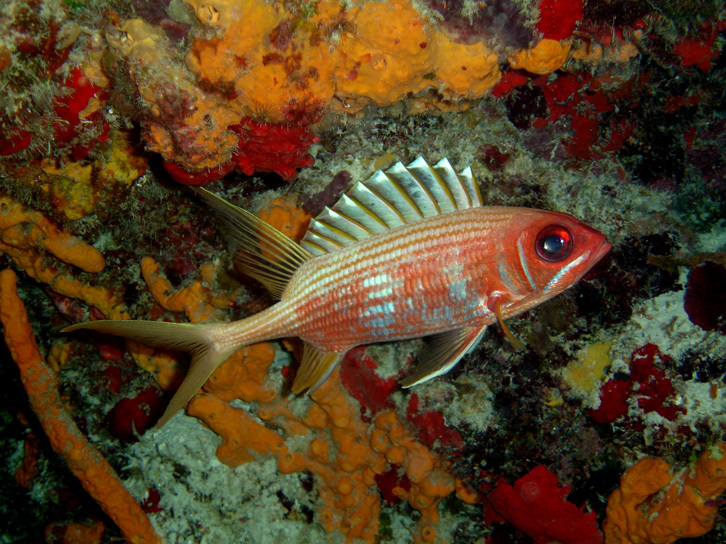
Holocentrus rufus (Walbaum, 1792) (Miss darlington)
Nocturnal , inhabits clear reefs . Found near mouths of caves and holes ; at night they usually move to sandy areas and grass beds to feed on crabs, shrimps, gastropods and brittle stars . Marketed fresh but not popular as a food fish .
Ircinia felix (Duchassaing & Michelotti 1864)
Megalops atlanticus Valenciennes, 1847 (Atlantic tarpon)
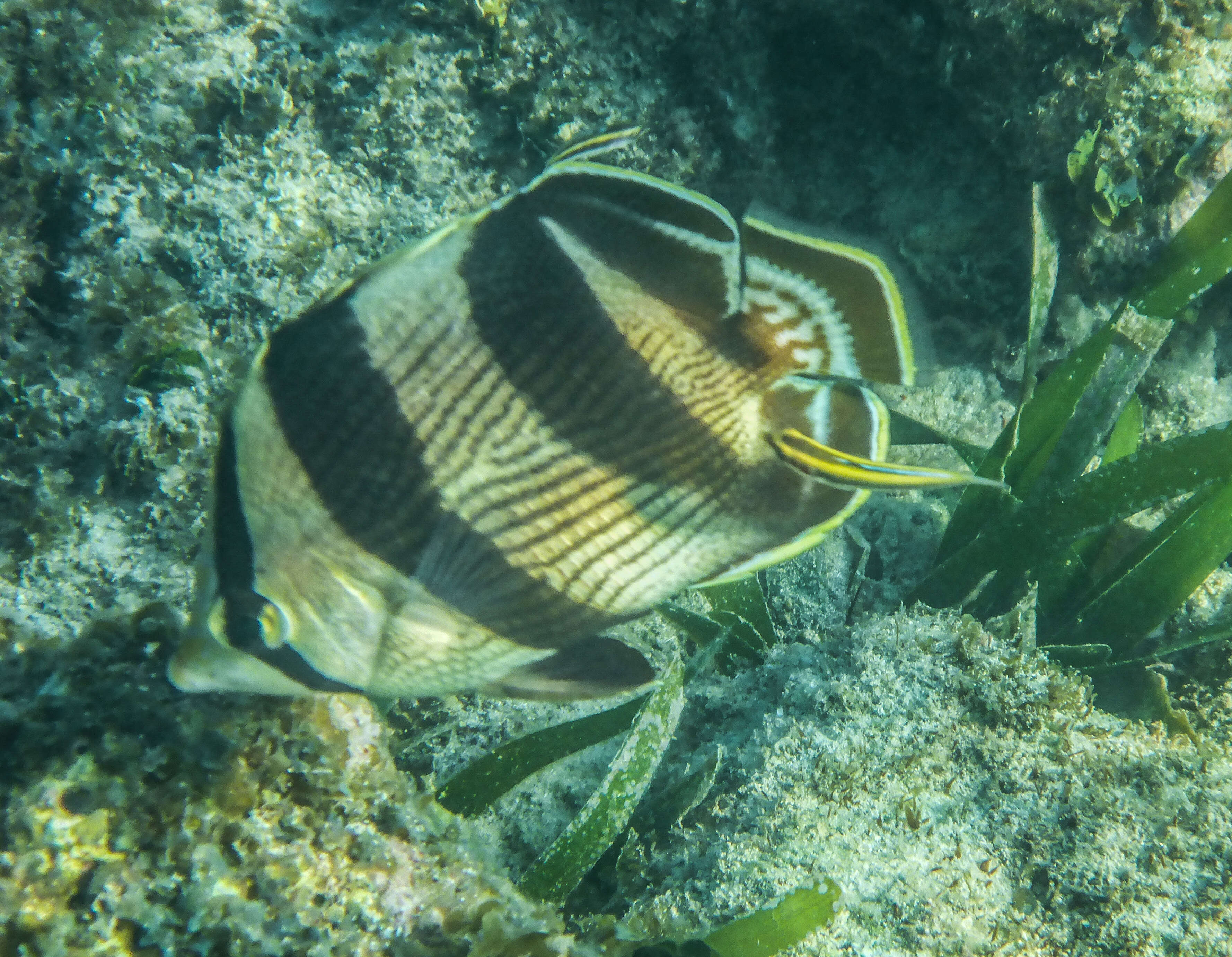
Chaetodon capistratus Linnaeus, 1758 (Butterbun)
Inhabit shallow reefs and generally occurs singly or in pairs. Feed mainly on zoantharians, polychaete worms, gorgonians and tunicates. Easily approached . Oviparous . Form pairs during breeding .
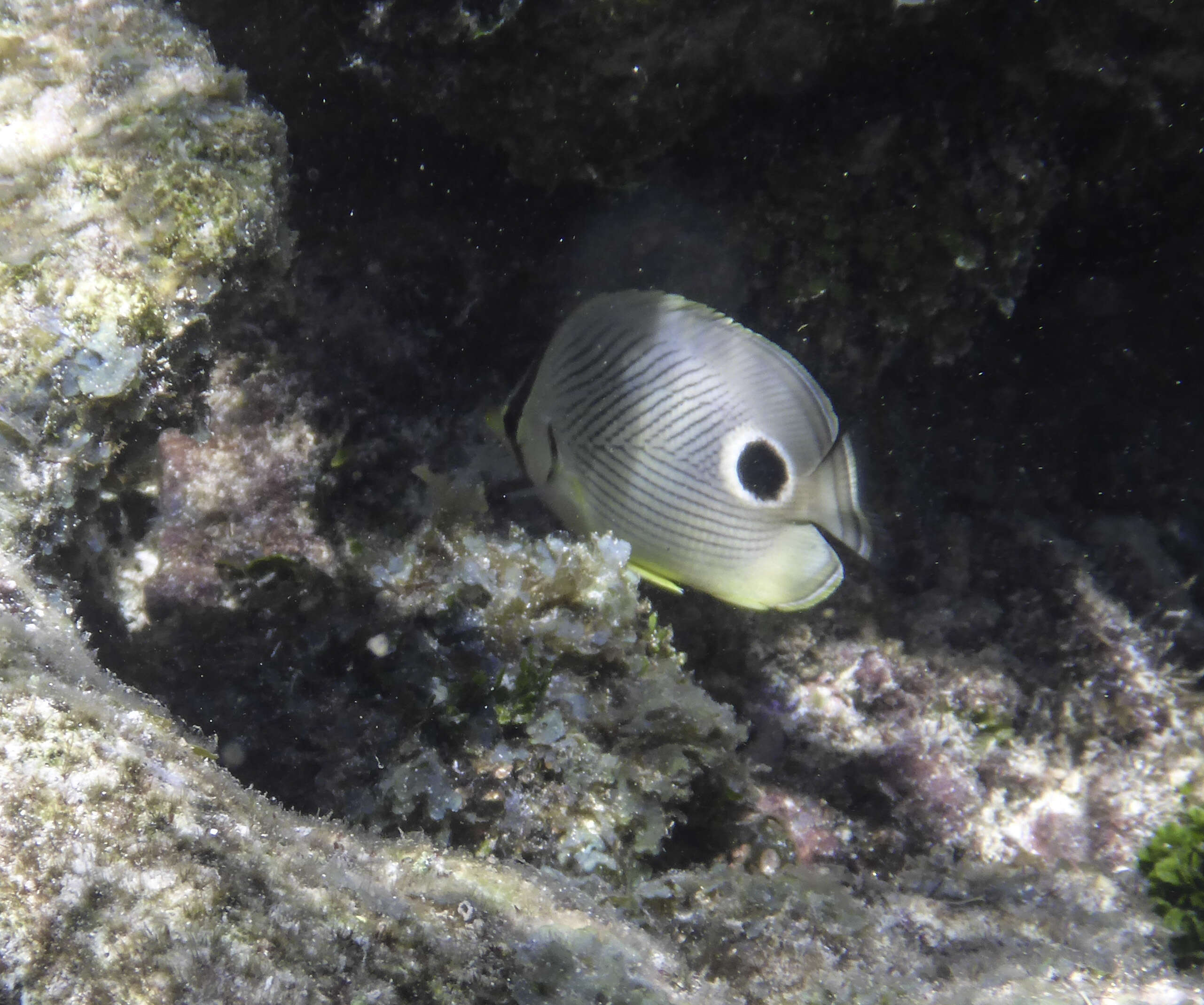
Chaetodon ocellatus Bloch, 1787 (Butterbun)
Inhabit shallow, coral reefs with clear water . Develop dusky bands at night. Generally common . Oviparous . Form pairs during breeding .
Centropyge argi Woods and Kanazawa, 1951 (Cherub pygmy angelfish)
Normally occurs in rubble areas. Feeds on various types of algae. Oviparous , monogamous . Retreats into holes when frightened . Has been reared in captivity .
Chaetodon striatus Linnaeus, 1758 (Butterbun)
Inhabit coral reefs. Occur singly or in pairs. Feed on polychaete worms, coral polyps, crustaceans and mollusk eggs. Oviparous , monogamous . Form pairs during breeding . Adults may form plankton-feeding aggregati...
Lire la suite
Lire la suite
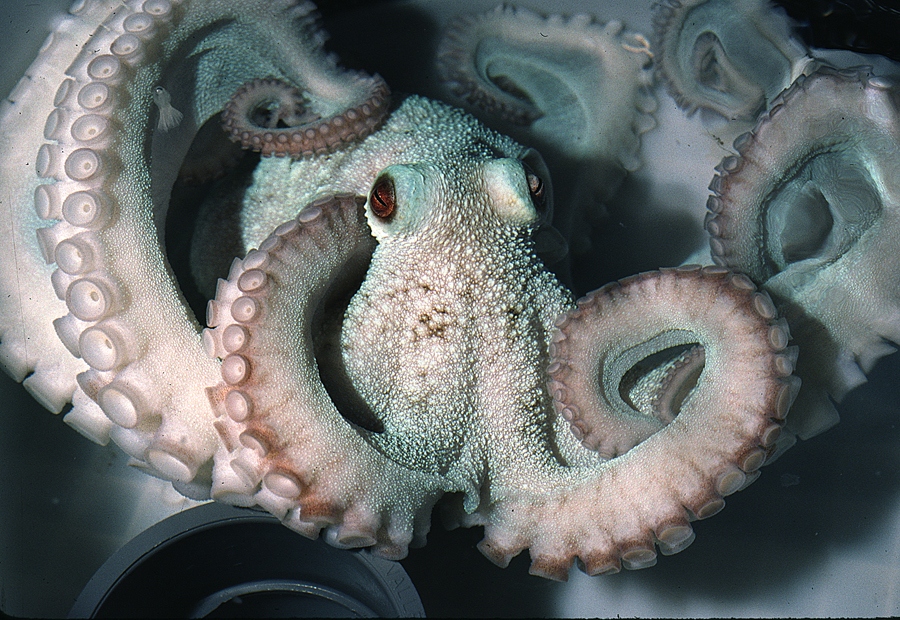
Octopus briareus Robson, 1929 (Caribbean reef octopus)
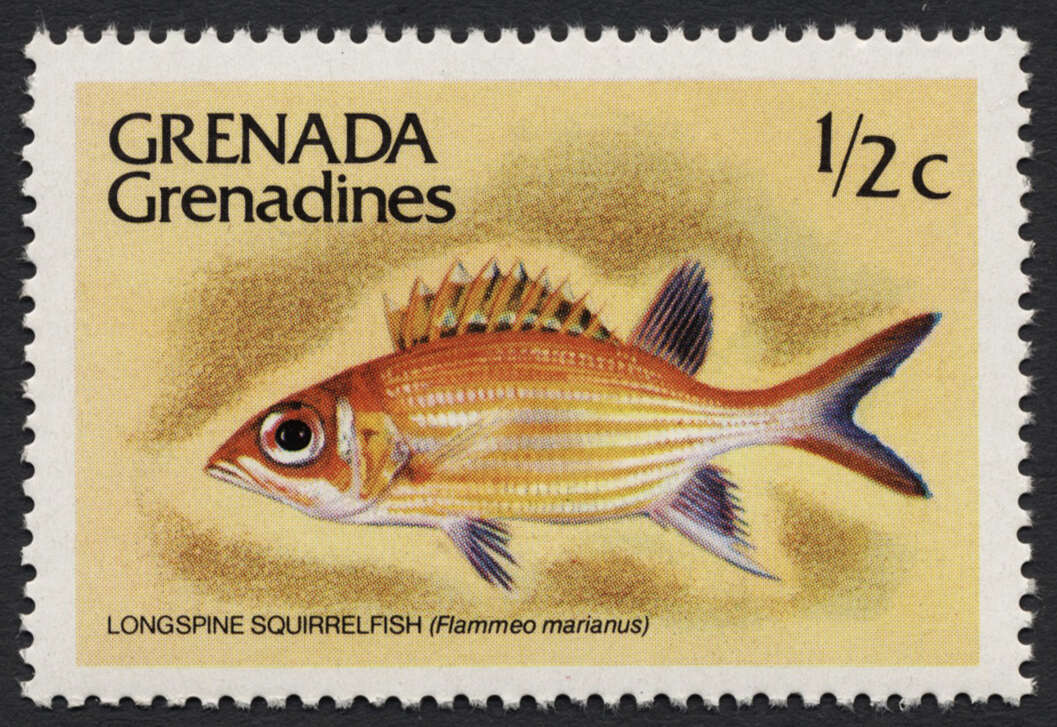
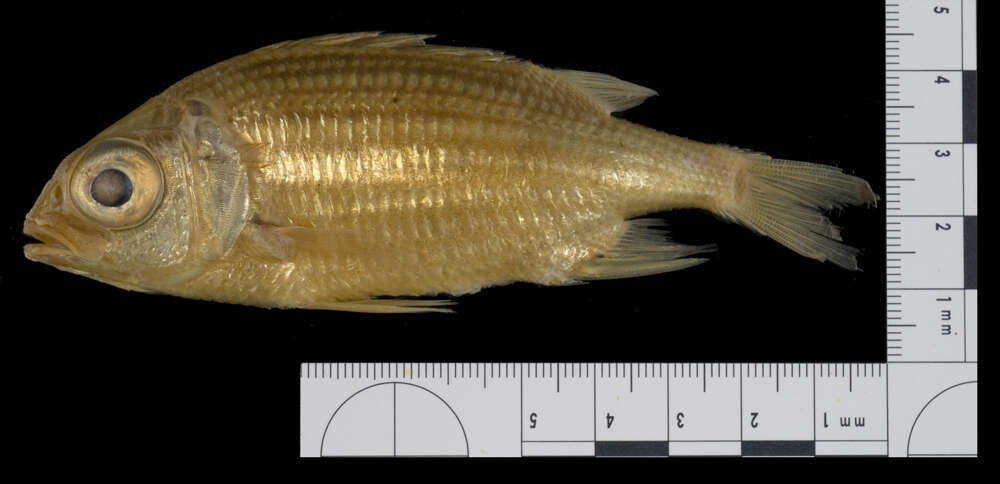
Neoniphon marianus (Cuvier, 1829) (Longjaw squirrelfish)
Rarely found in shallow water, but appears to be the most common squirrelfish in the depth range of 30-60 m or more . Reported used as food fish .
Sargocentron vexillarium (Poey, 1860) (Dusky squirrelfish)
Inhabits inshore reefs and tide pools. Hides in small recesses. Common, but rarely seen . Nocturnal species .
Partager sur les Réseaux Sociaux
- Facebook:

Personnalisez le texte de partage et son emplacement (mur, page, ...) ou envoyez le en tant que message privé à un de vos amis
- Twitter: Tweet personnalisez votre tweet
- Google Plus:
Lien direct vers cette plongée
- Lien complet :
- Lien abrégé :


 Diveboard participe aujourd'hui au concours de startups Techcrunch Disrupt. Montrez que vous aimez Diveboard en votant pour nous !




























































































Early am pier dive, In the water still dark and ended at sunrise