



 Ksso


 République Dominicaine

-
Nº57
 Date : 2012-06-19 - 11:10
-
 Profondeur Max: 11.5m Durée : 64mins
Photos

Aucune photo sur cette plongée
- Type de plongée : Loisir
- Visibilité : Bonne Type d'eau Salée
Equipement particulier utilisé
- Ordinateur: Mares - Nemo Excel
- Lest : 4 kg
Récemment sur Catalina Island

Photos récentes sur Catalina Island

Centre de plongée & Palanquée
 Plongée avec Ricardo de Gri Gri Divers
 Gri Gri Divers a signé votre carnet de plongée avec les paramètres : 11.5m / 64mins

URL pour ce spot :
- Site :
- Pays
- Zone :
- Mer/Océan/Lac/Rivière :
Profil de plongée
- 1. Air
- 12L Aluminium 190 → 40 bar
- Profondeur moyenne: 8.6m
- Conso Air Surface: 1.26 bar/min
- VRM: 15.12 L/min
Données fournies par EOL.org

Espèces identifiées
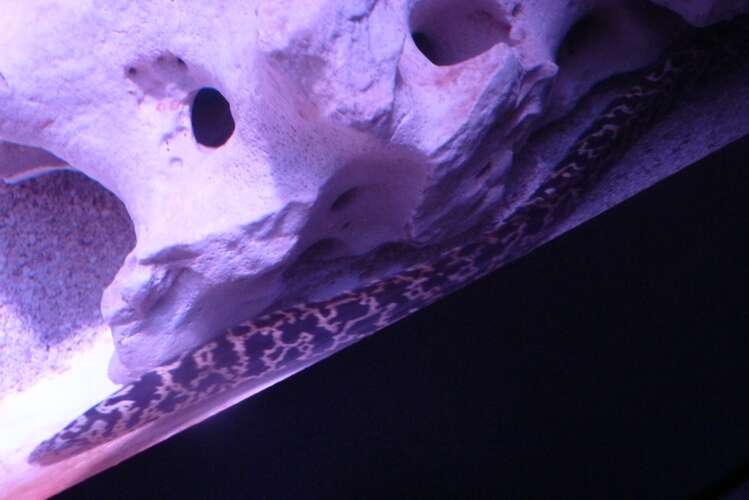
Echidna catenata (Bloch, 1795) (Chained moray)
A benthic and solitary species found commonly on reefs and rocky shore areas. Feeds on small fishes and crustaceans . At Fernando de Noronha Archipelago, offNE Brazil, forages for sally lightfoot crabs on exposed r...
Lire la suite
Lire la suite
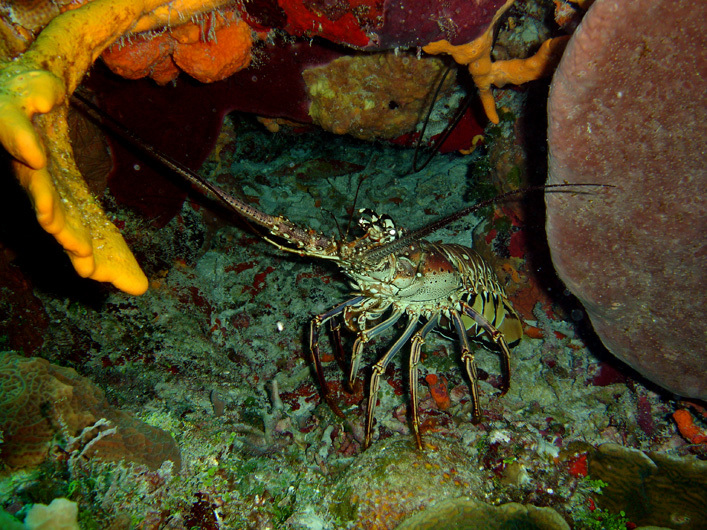
Panulirus argus (Latreille, 1804) (Caribbean spiny lobster)
Carangoides ruber (Bloch, 1793) (Bar jack)
Common in clear insular areas or in coral reefs off mainland coasts . Juveniles frequent areas with algae . Usually in schools which may be spawning groups; occasionally solitary. Feeds on fishes, shrimps and othe...
Lire la suite
Lire la suite
Sargocentron coruscum (Poey, 1860) (reef squirrelfish)
Inhabit sandy, rocky and coral bottoms . More common on seaward reefs than on protected reefs. Retreat into recesses when alarmed . Nocturnal . Secretive, found deep in crevices between branches of live corals . Oviparous, with planktonic eggs and larvae .
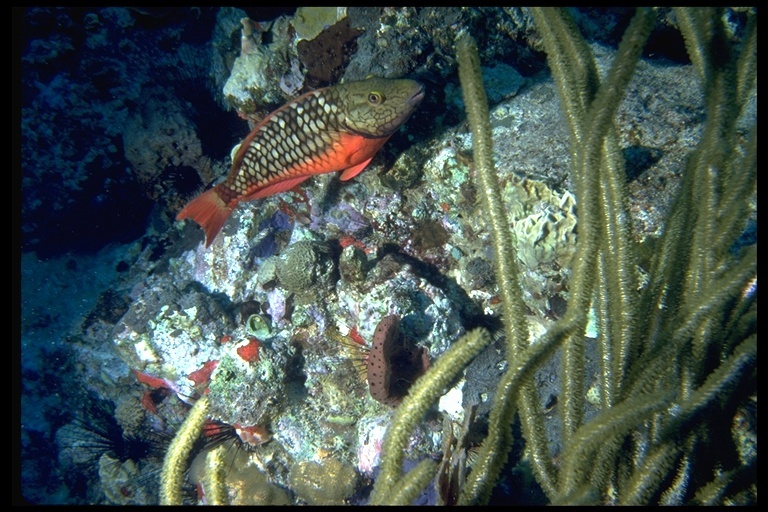
Sparisoma viride (Bonnaterre, 1788) (Dark green parrotfish)
Inhabits coral reefs with clear water . Young may be found in seagrass beds and other heavily vegetated bottoms. Feeds mainly on soft algae, but has been observed to graze on live corals like, Montastraea annularis ....
Lire la suite
Lire la suite
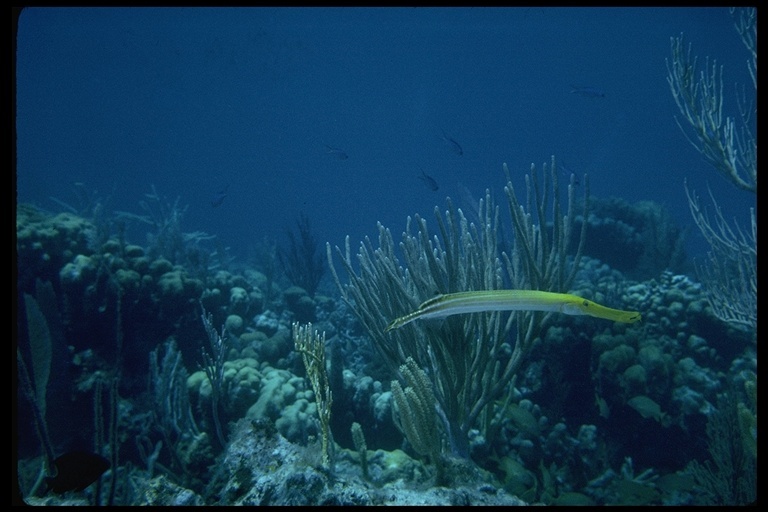
Aulostomus maculatus Valenciennes, 1841 (Caribbean trumpetfish)
Commonly found in weedy areas and especially around reefs, where they usually swim snout-down among sea whips . A solitary ambusher of small fishes and crustaceans that lurk among branching coral or gorgonians. Often...
Lire la suite
Lire la suite
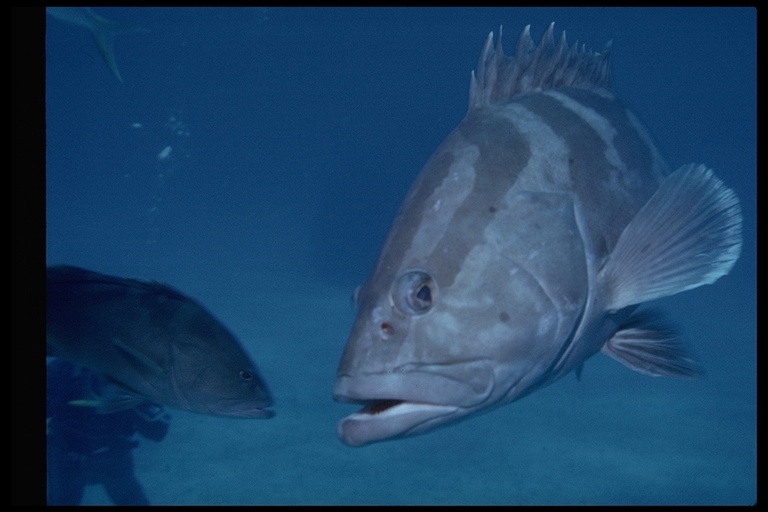
Epinephelus striatus (Bloch, 1792) (Nassau grouper)
Adults are generally solitary, with the exception of spawning events when hundreds to thousands of individuals were known to group together. In the southern extent of the grouper's range, these awesome aggregations occ...
Lire la suite
Lire la suite
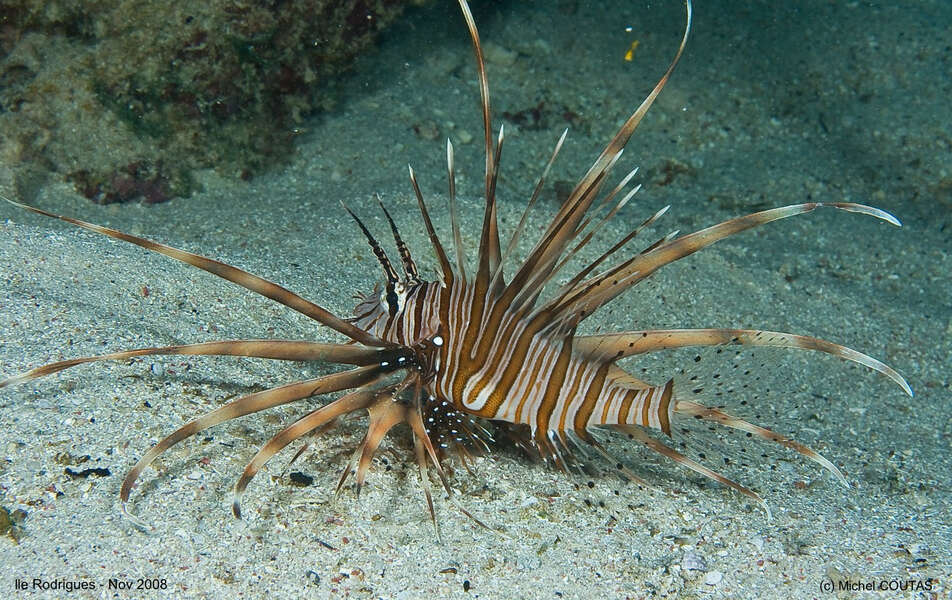
Pterois volitans (Linnaeus, 1758) (Red lionfish)
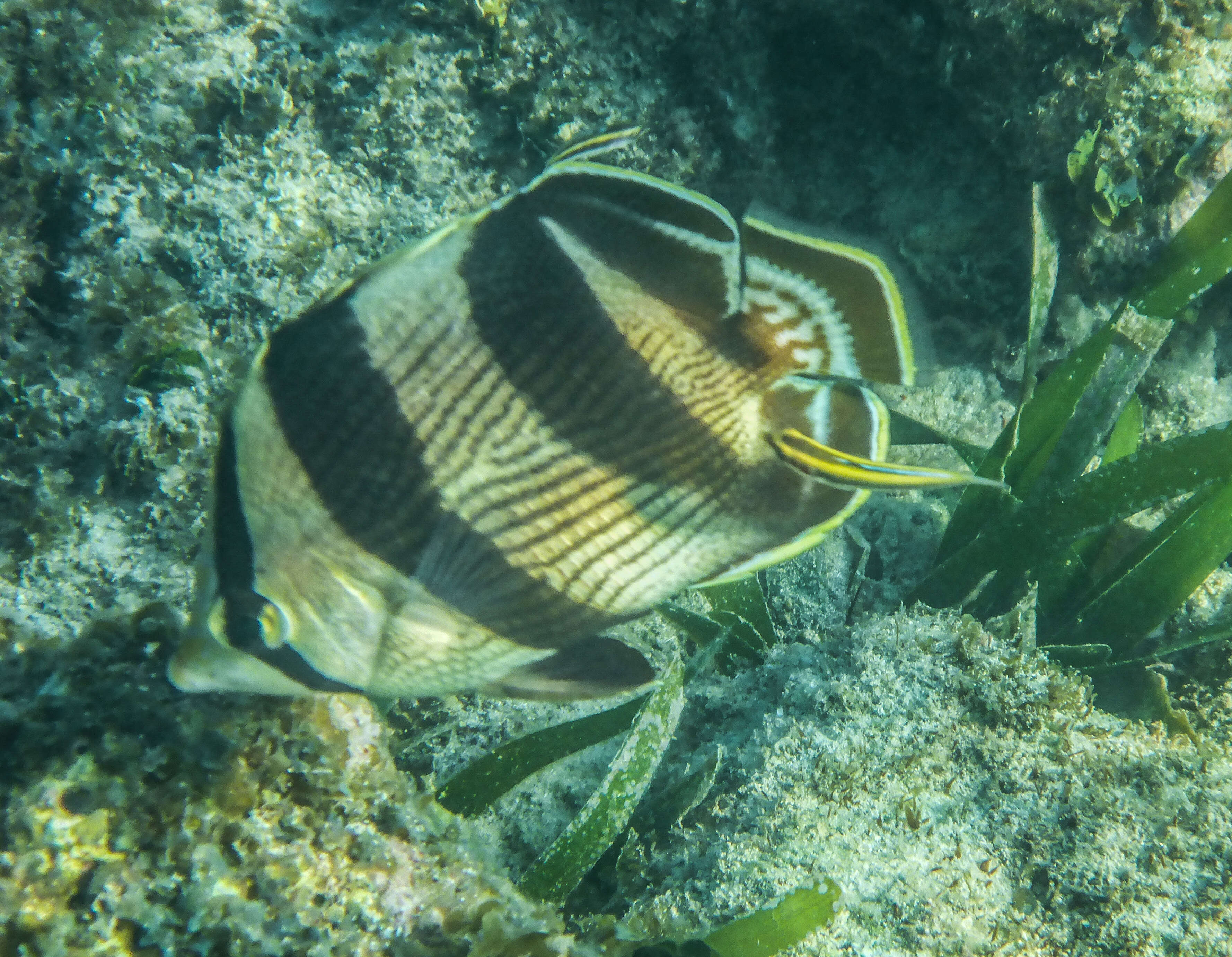
Chaetodon striatus Linnaeus, 1758 (Butterbun)
Inhabit coral reefs. Occur singly or in pairs. Feed on polychaete worms, coral polyps, crustaceans and mollusk eggs. Oviparous , monogamous . Form pairs during breeding . Adults may form plankton-feeding aggregati...
Lire la suite
Lire la suite
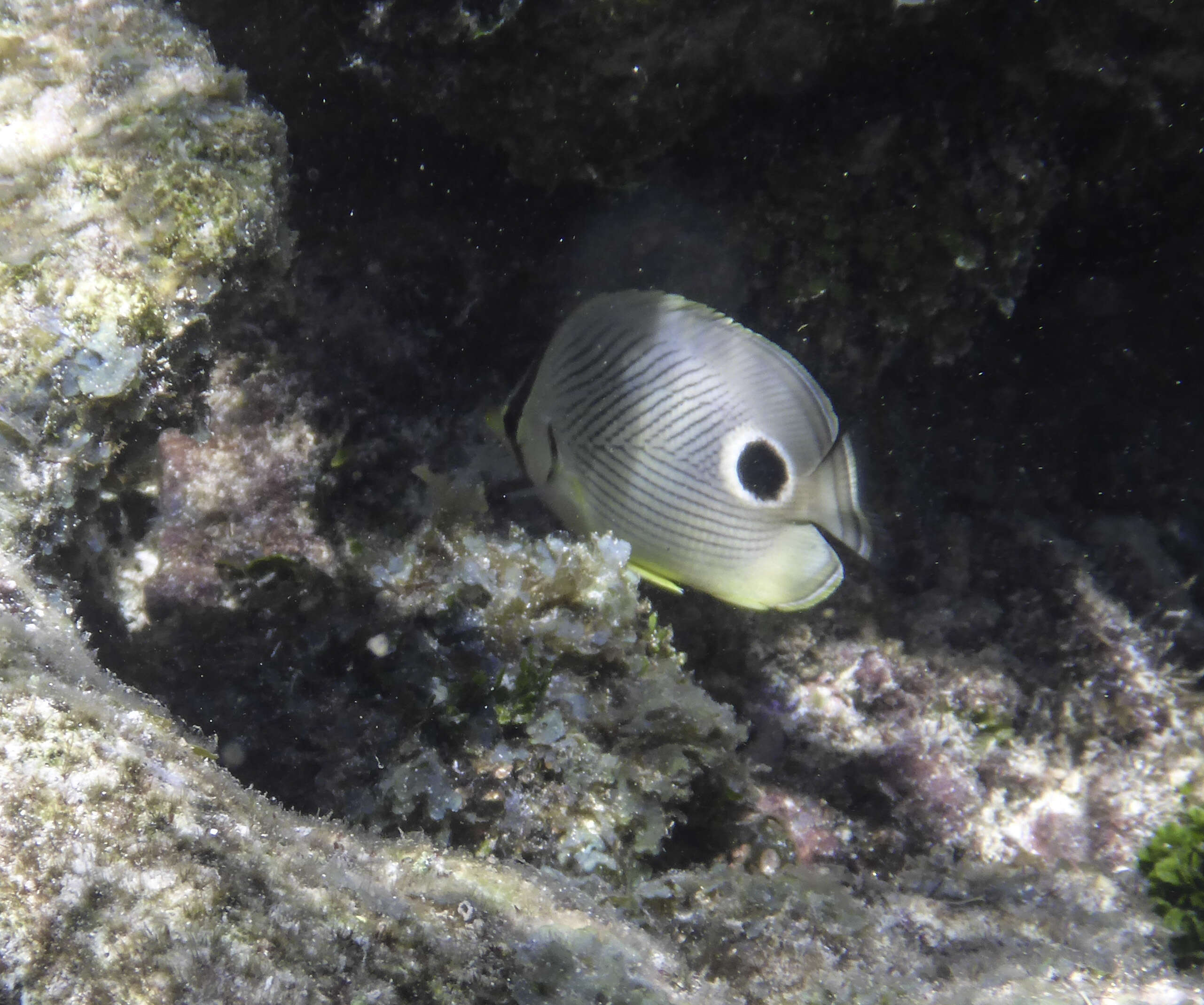
Chaetodon capistratus Linnaeus, 1758 (Butterbun)
Inhabit shallow reefs and generally occurs singly or in pairs. Feed mainly on zoantharians, polychaete worms, gorgonians and tunicates. Easily approached . Oviparous . Form pairs during breeding .
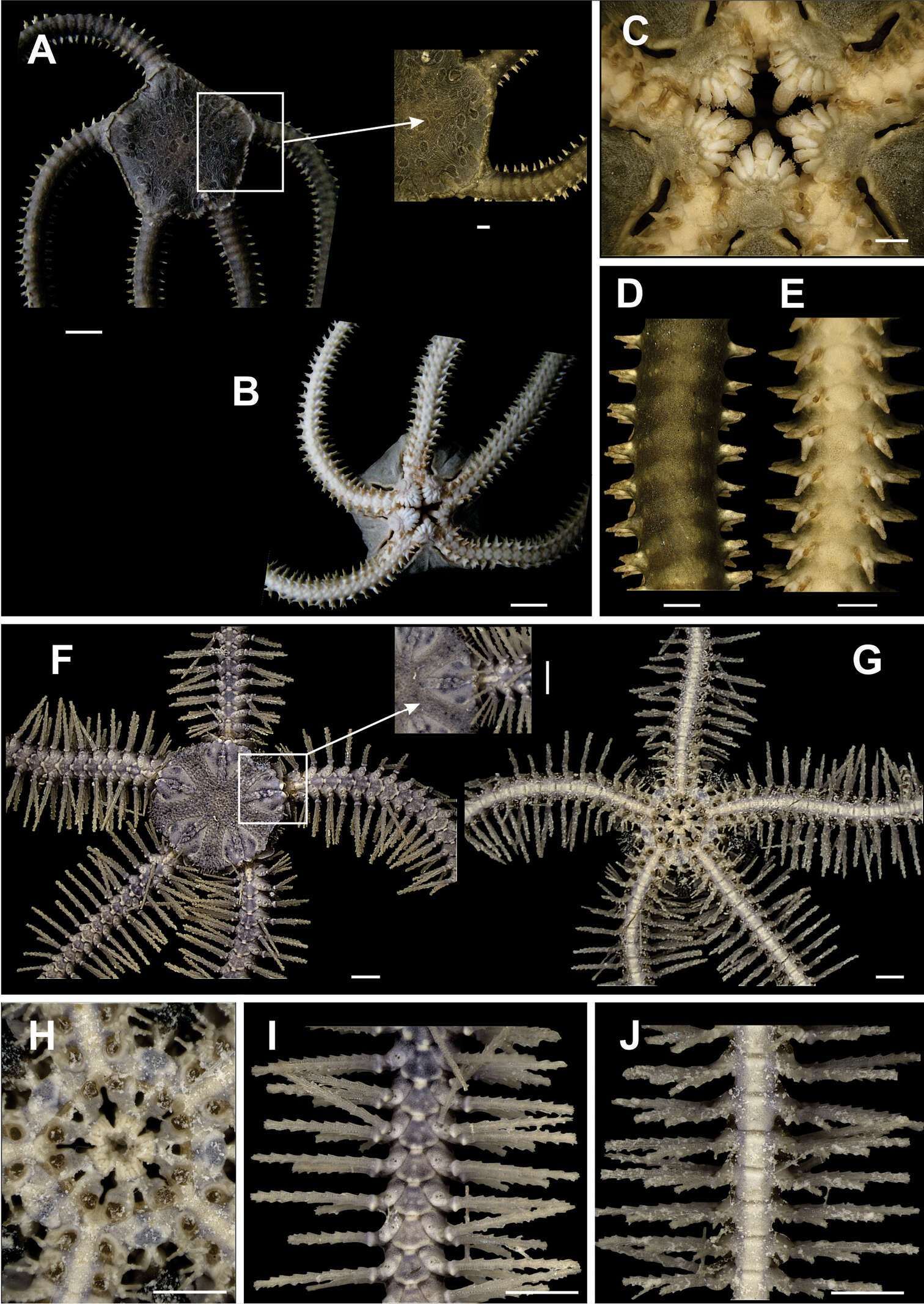
Ophiomyxa flaccida (Say, 1825) (slimy brittle star)
Partager sur les Réseaux Sociaux
- Facebook:

Personnalisez le texte de partage et son emplacement (mur, page, ...) ou envoyez le en tant que message privé à un de vos amis
- Twitter: Tweet personnalisez votre tweet
- Google Plus:
Lien direct vers cette plongée
- Lien complet :
- Lien abrégé :


 Diveboard participe aujourd'hui au concours de startups Techcrunch Disrupt. Montrez que vous aimez Diveboard en votant pour nous !


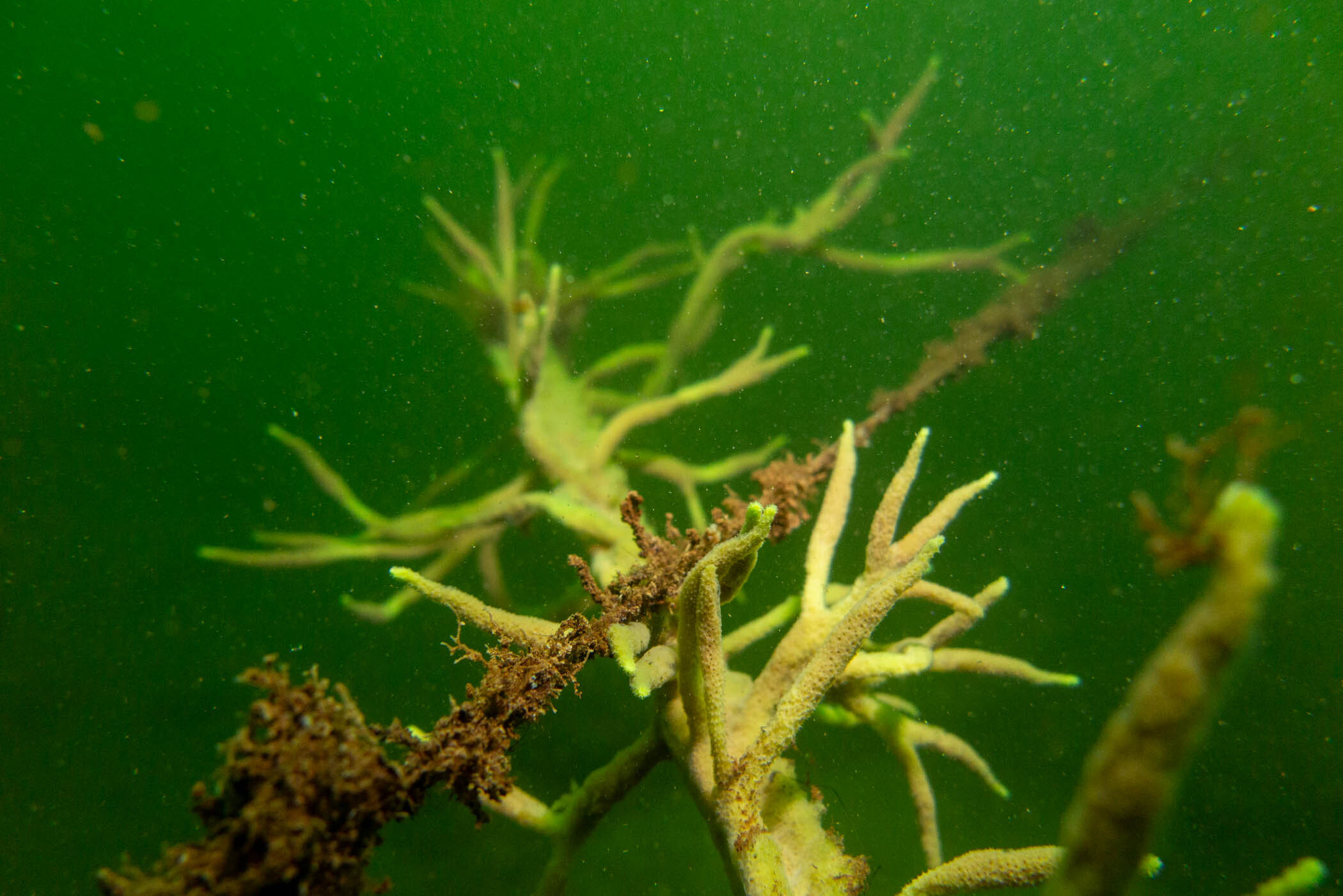
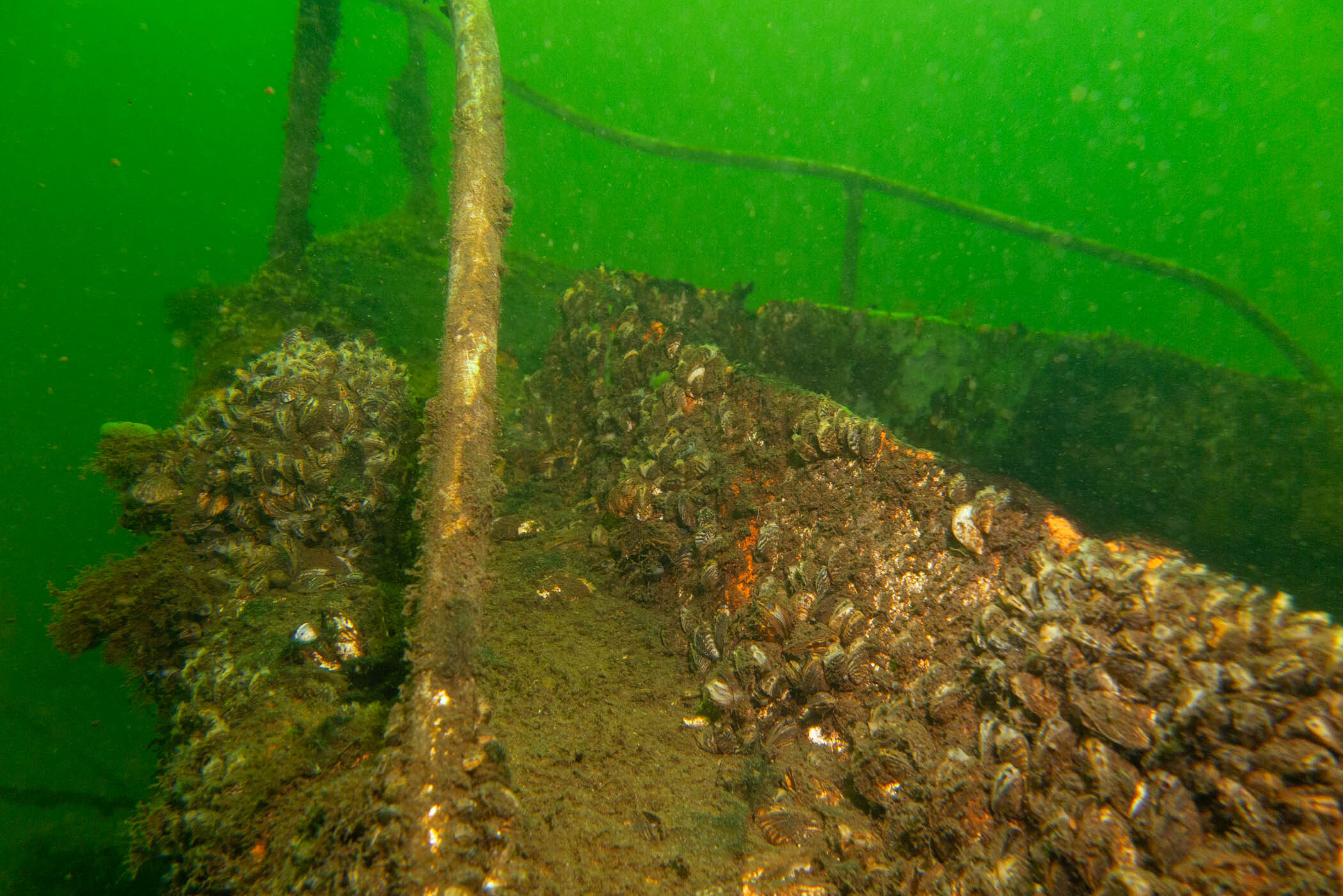
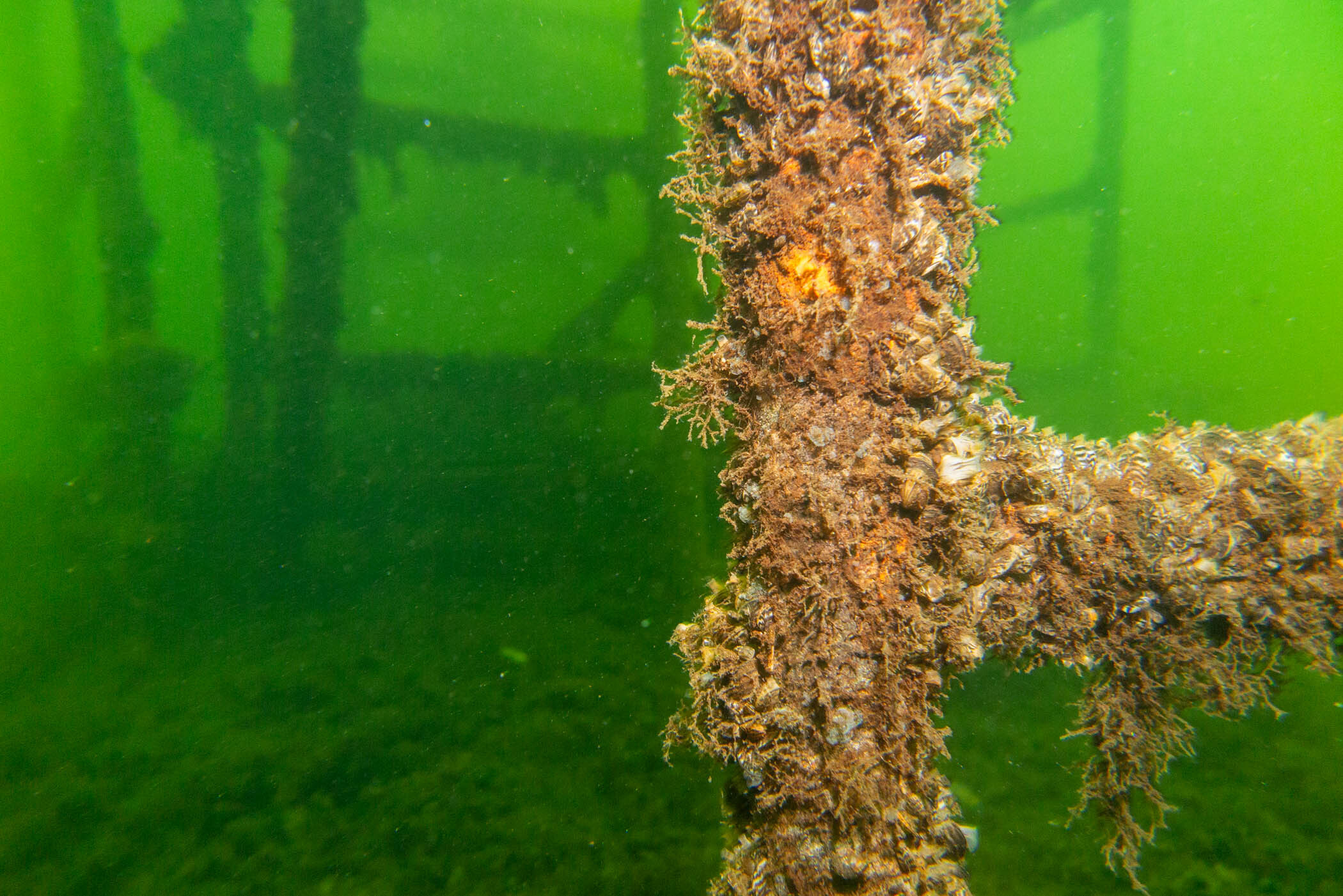
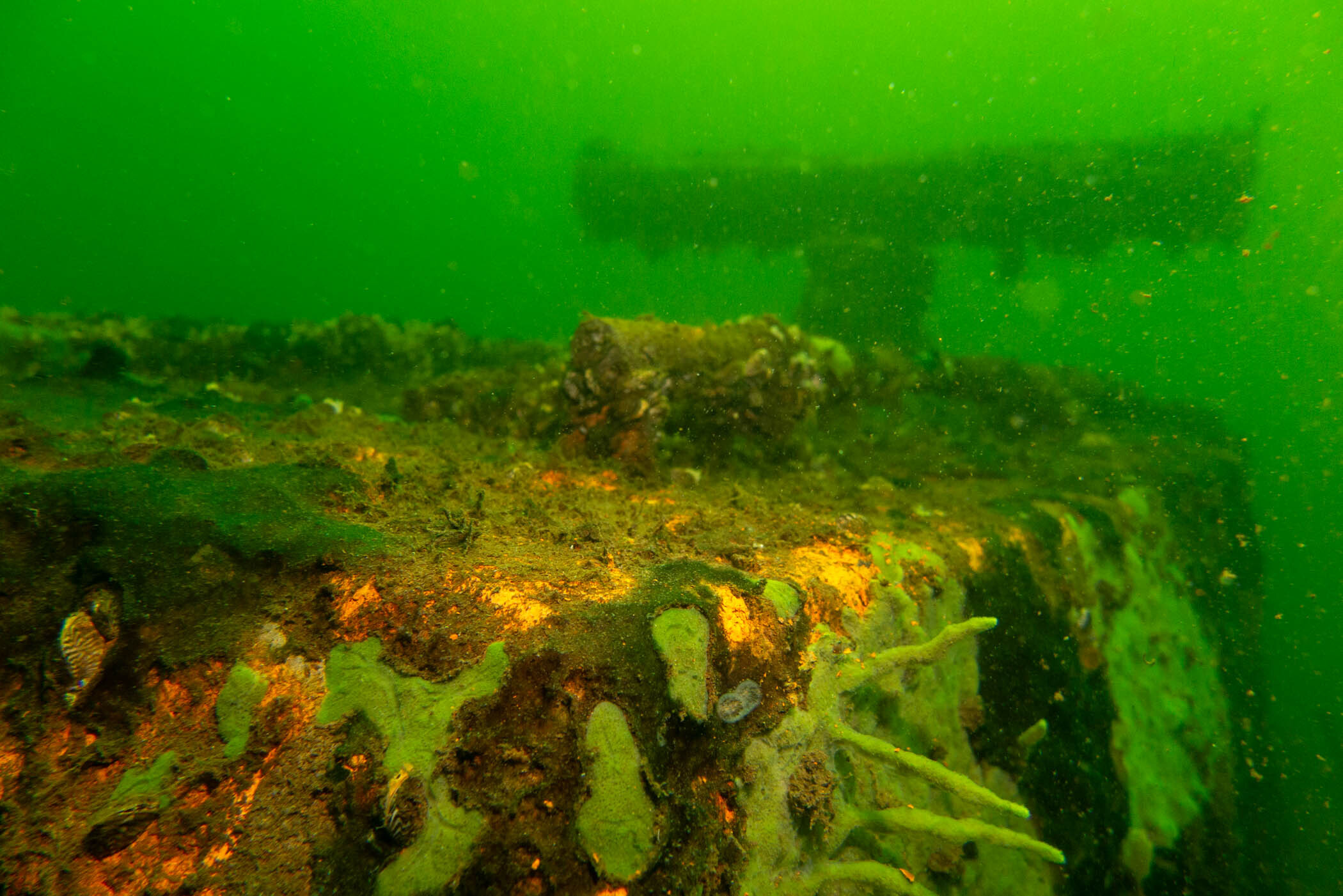
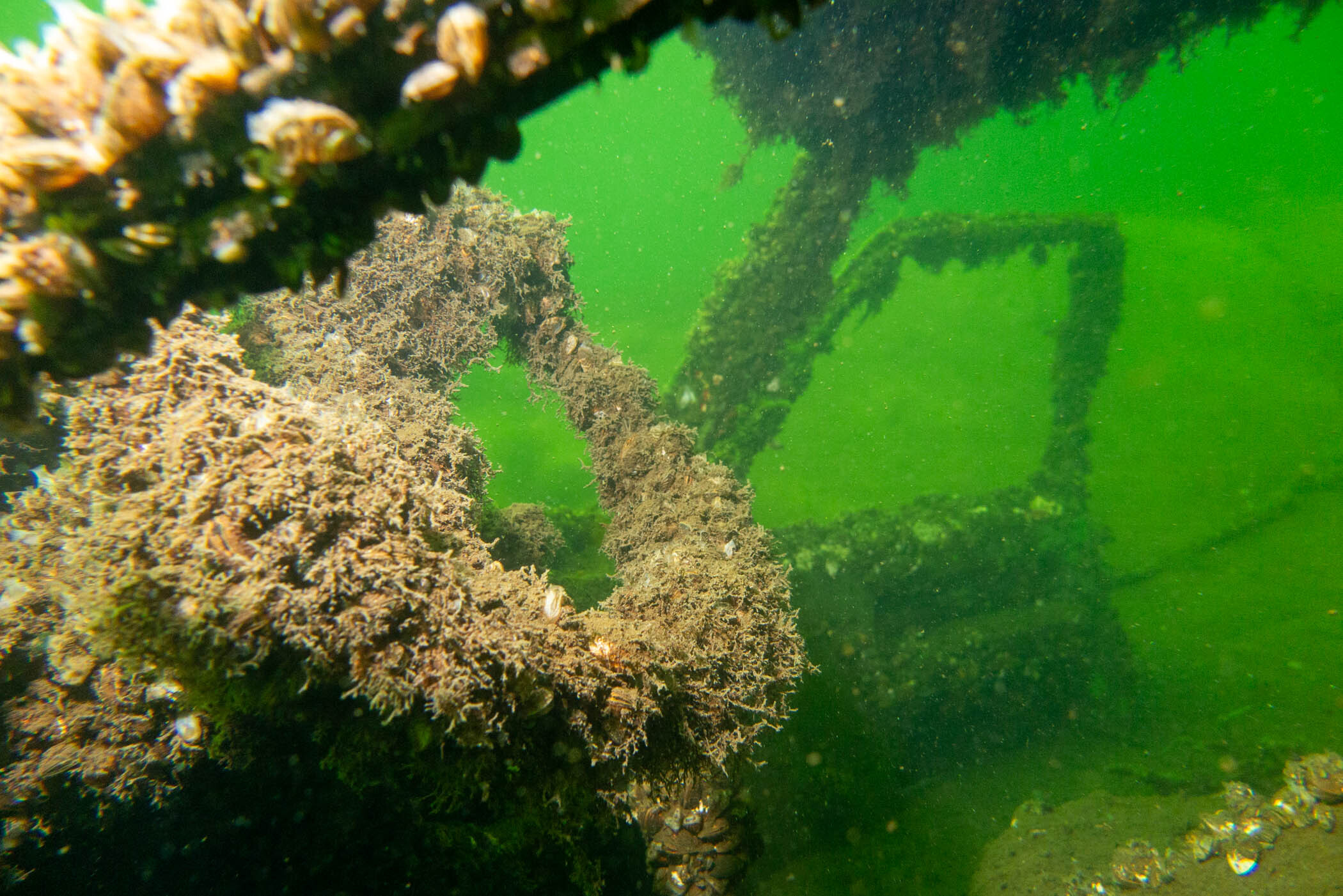
























































































Shallow dive with loads of sea life. The journey started with a playful eel that started dancing for us around its rock - beautiful spectacle.
Huge grouper plenty baby fish all over the place, one nice sea star found under a rock