


 David 'dibs' Bishop


 Égypte

-
Nº272
 Date : 2024-08-29 - 10:01
-
 Profondeur Max: 26.9m Durée : 60mins
Photos

Aucune photo sur cette plongée
- Temp: Surf 31°C Fond 29°C
- Type de plongée : Loisir, Profonde, Dérivante, Épave, Récif, Photo
- Visibilité : Excellente Type d'eau Salée
Equipement particulier utilisé
- Détendeur: Atomic Aquatics - SS1
- Palmes: Atomic Aquatics - Split Fins
- Stab: Cressi Sub - Ultralight
- Chaussons: Cressi Sub - Isla
- Appareil photo: Olympus - Tough TG6
- Appareil photo: Gopro - Hero 10 Black
- Ordinateur: Suunto - D5
- Masque: Atomic Aquatics - Venom Blue
- Autre: Suunto - Tank Pod
- Lampe: Sealife - Seadragon 2500 Lumen x2
- Détendeur: Atomic Aquatics - Z3 DIN 1st and 2nd Stage on Swivel
- Autre: AquaTec - Dive Alert V2
- Lest : 4 kg
Dive reviews
| Avis global | ||
| Difficulté de la plongée | ||
| Qualité de la flore et de la faune | ||
| Epage |
Récemment sur Sharm El Sheikh


Photos récentes sur Sharm El Sheikh
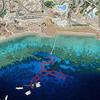
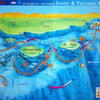
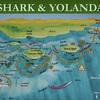

URL pour ce spot :
- Site :
- Pays
- Zone :
- Mer/Océan/Lac/Rivière :
Profil de plongée
- 1. Nitrox 32
- 12L Steel 206 → 37 bar
- Profondeur moyenne: 15.1m
- Conso Air Surface: 1.13 bar/min
- VRM: 13.56 L/min
Données fournies par EOL.org



Espèces identifiées
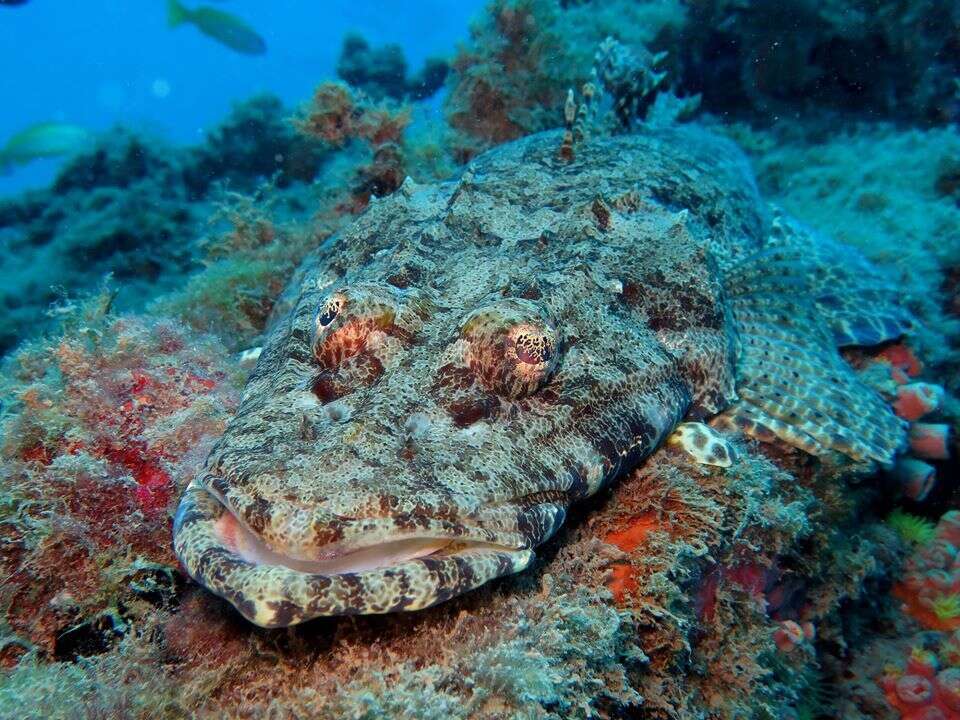
Papilloculiceps longiceps (Cuvier, 1829) (Tentacled flathead)
Found in the vicinity of coral reefs on sand or rubble bottoms.
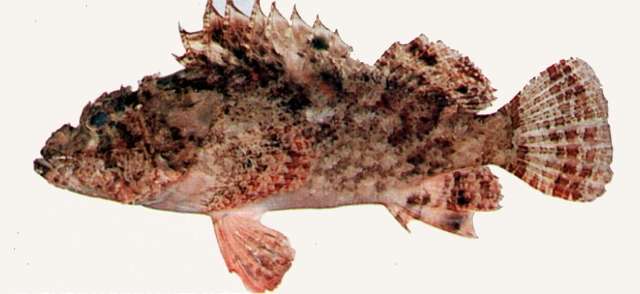
Scorpaenopsis cirrosa (Thunberg, 1793) (Weedy stingfish)
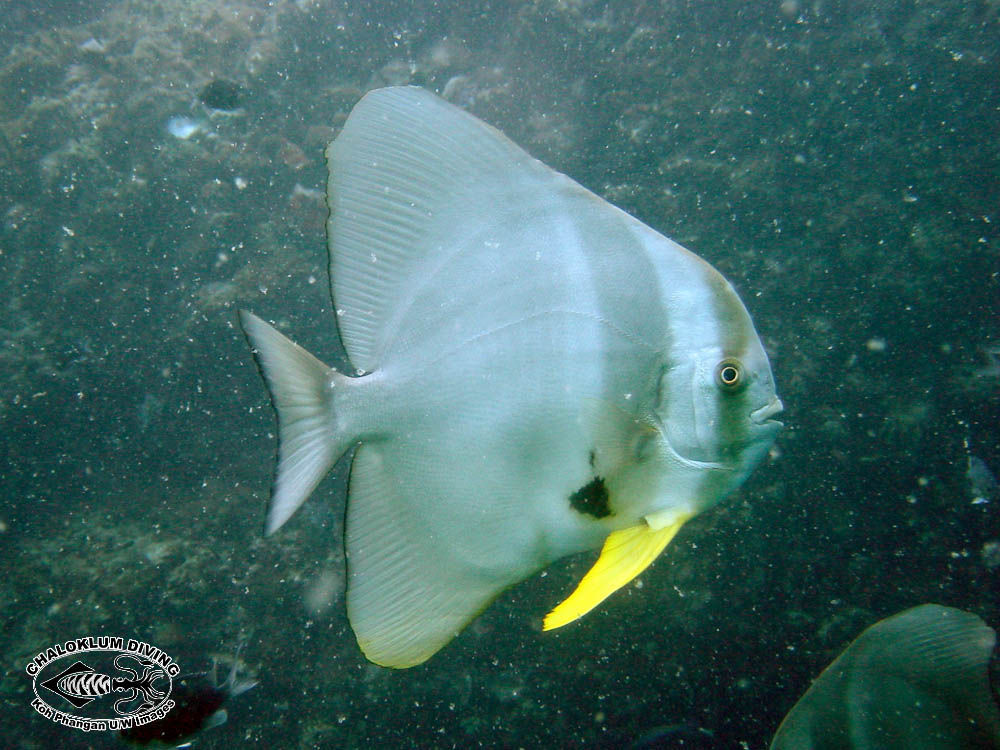
Platax orbicularis (Forsskål, 1775) (Orbicular batfish)
Live in shallow protected coastal waters to deep, somewhat silty habitats. Often with deep shipwrecks . Adults are found singly or in small groups and occasionally in large schools in some areas. Juveniles occur sin...
Lire la suite
Lire la suite
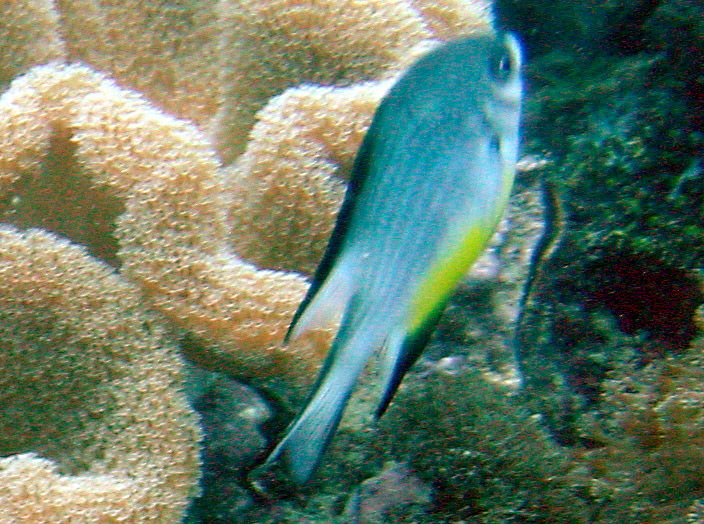
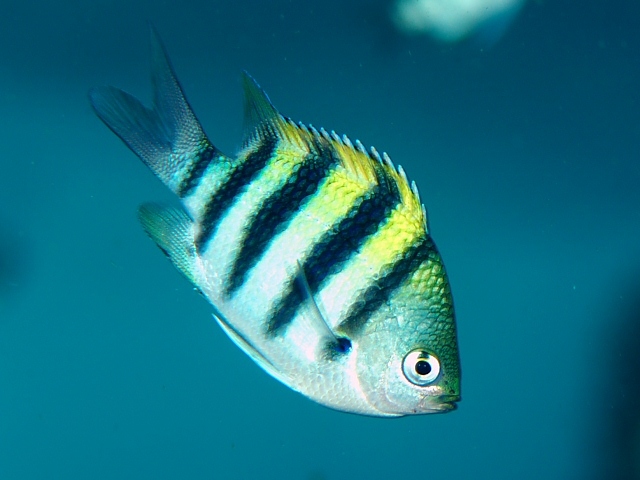
Amblyglyphidodon leucogaster (Bleeker, 1847) (goldenscaled damselfish)
Inhabits lagoons, reef passages, and the outer reef slopes as solitary individuals or in small groups. Feeds on copepods, amphipods, mysids, fish eggs, crustacean larvae, and a small portion of algae.
Dascyllus aruanus (Linnaeus, 1758) (black-and-white damselfish)
Territorial, inhabit shallow lagoon and subtidal reef flats. Form large aggregations above staghorn Acropora thickets or in smaller groups above isolated coral heads. Feed on zooplankton, benthic invertebrates, and a...
Lire la suite
Lire la suite
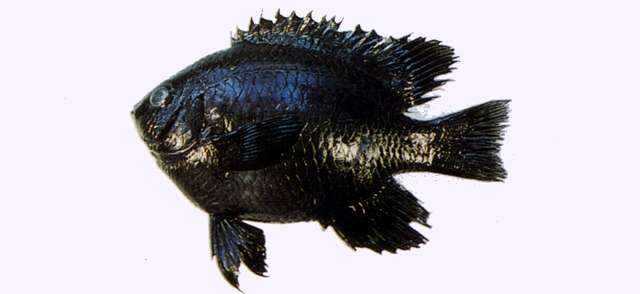
Neoglyphidodon melas (Cuvier, 1830) (black damselfish)
Found in coral-rich areas of lagoon and seaward reefs and usually associated with soft corals on which it feeds . Occur singly or in pairs . Juveniles are encountered in around staghorn Acropora corals . Adults often near Tridacna clams and may feed on their feces .
Abudefduf vaigiensis (Quoy and Gaimard, 1825) (Five finger)
Adults inhabit upper edge of outer reef slopes and inshore rocky reefs. Juveniles associated with drifting seaweed . Benthopelagic . Feed on zooplankton, benthic algae, and small invertebrates . Often in aggregati...
Lire la suite
Lire la suite
Larabicus quadrilineatus (Rüppell, 1835) (Fourline wrasse)
Occurs in fringing reefs, among coral heads and in areas with dense coral growth . Adults feed on coral polyps while juveniles act as cleaners of other fishes.
Cheilinus lunulatus (Forsskål, 1775) (Broomtail wrasse)
Inhabits coral reefs and adjacent rubble, sand and seagrass habitats . Feeds mainly on hard-shelled invertebrates, especially mollusks .
Partager sur les Réseaux Sociaux
- Facebook:

Personnalisez le texte de partage et son emplacement (mur, page, ...) ou envoyez le en tant que message privé à un de vos amis
- Twitter: Tweet personnalisez votre tweet
- Google Plus:
Lien direct vers cette plongée
- Lien complet :
- Lien abrégé :


 Diveboard participe aujourd'hui au concours de startups Techcrunch Disrupt. Montrez que vous aimez Diveboard en votant pour nous !


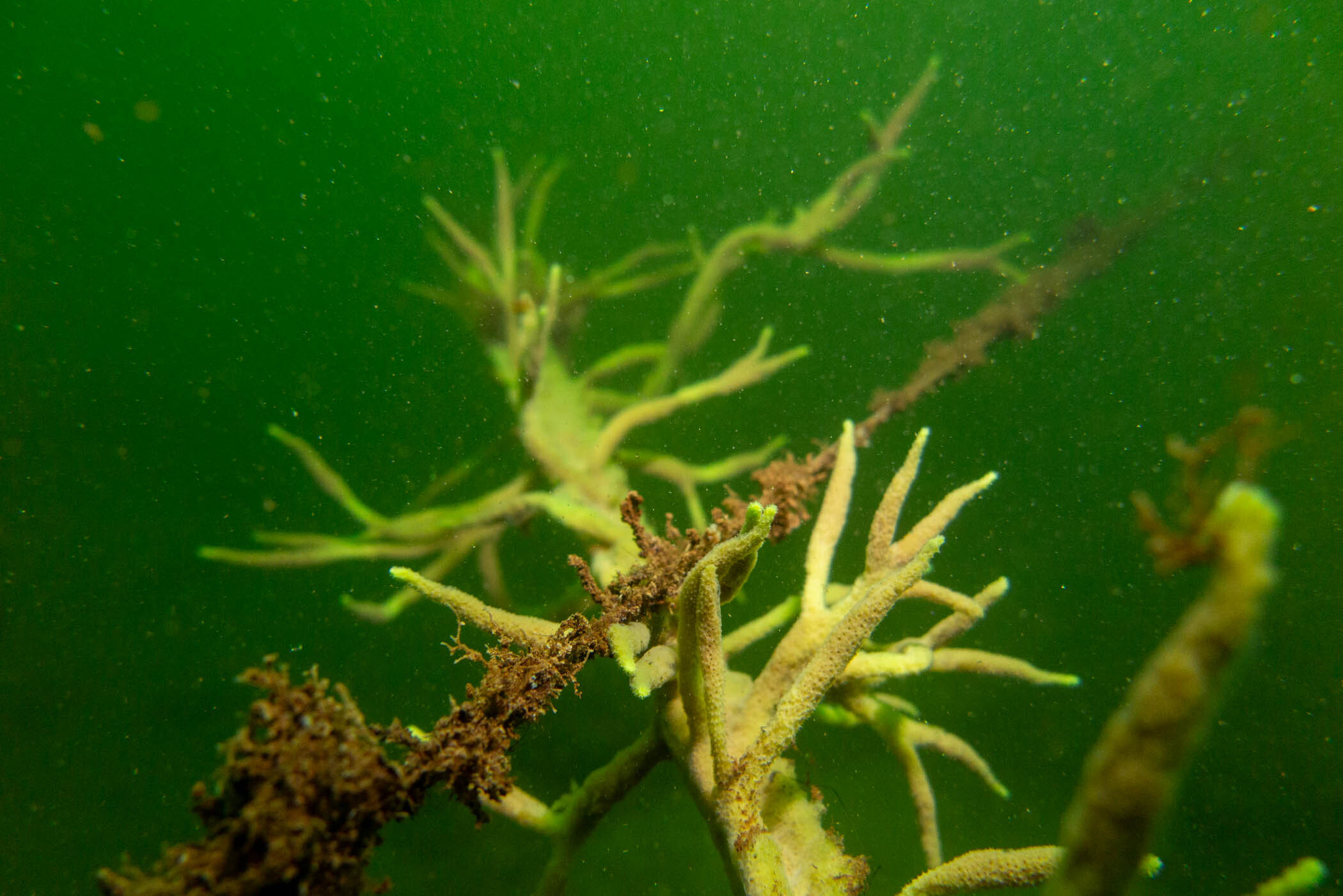
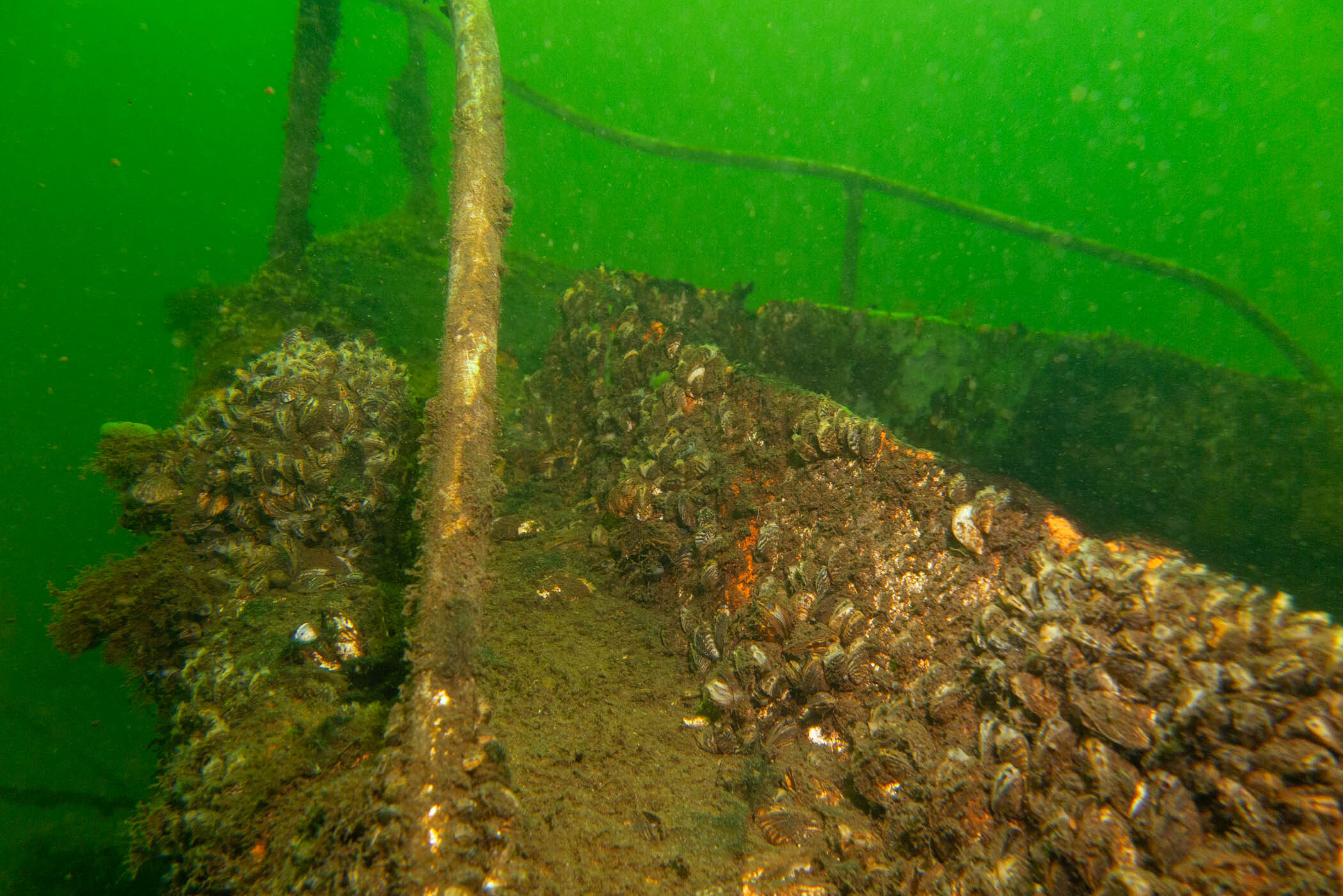
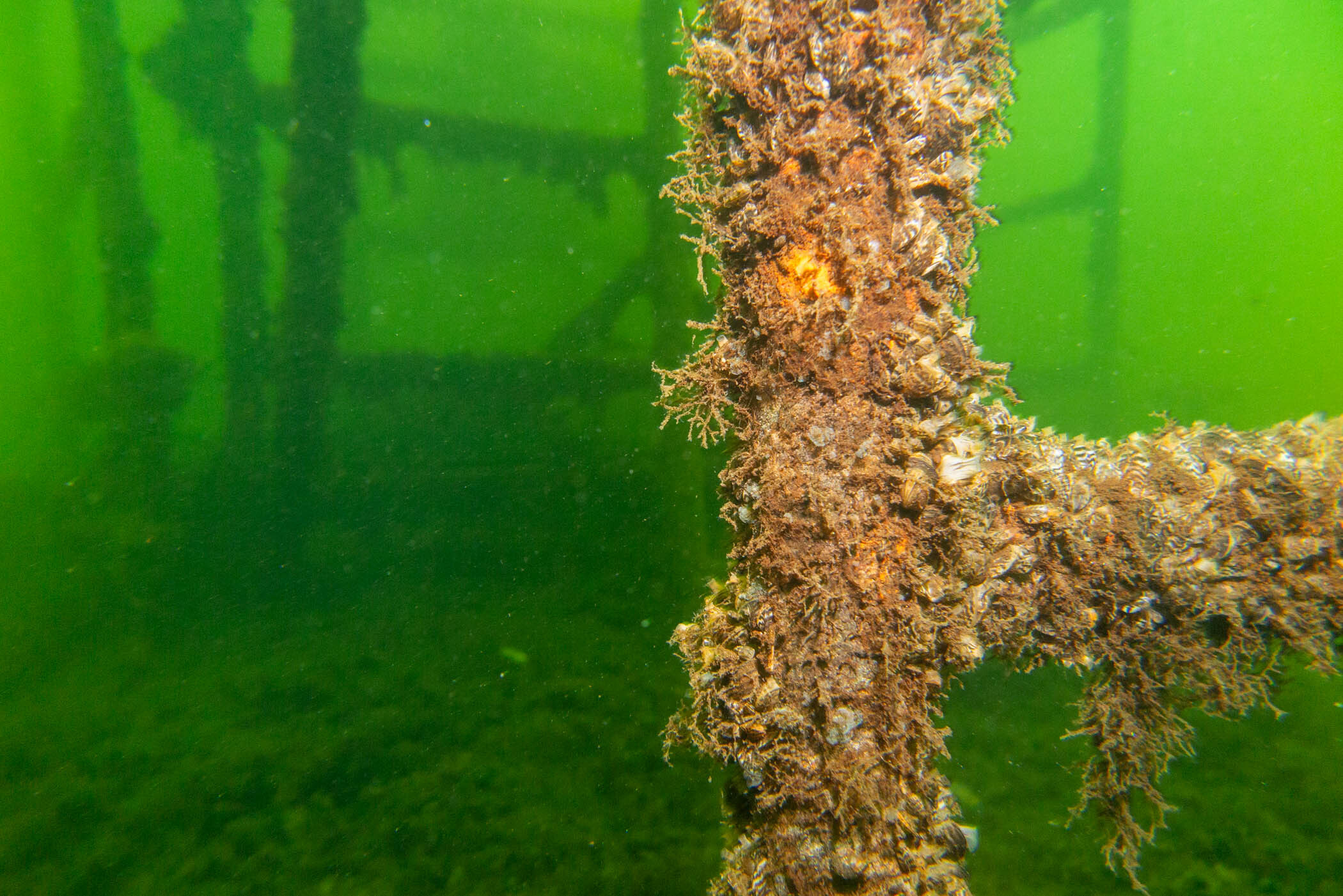
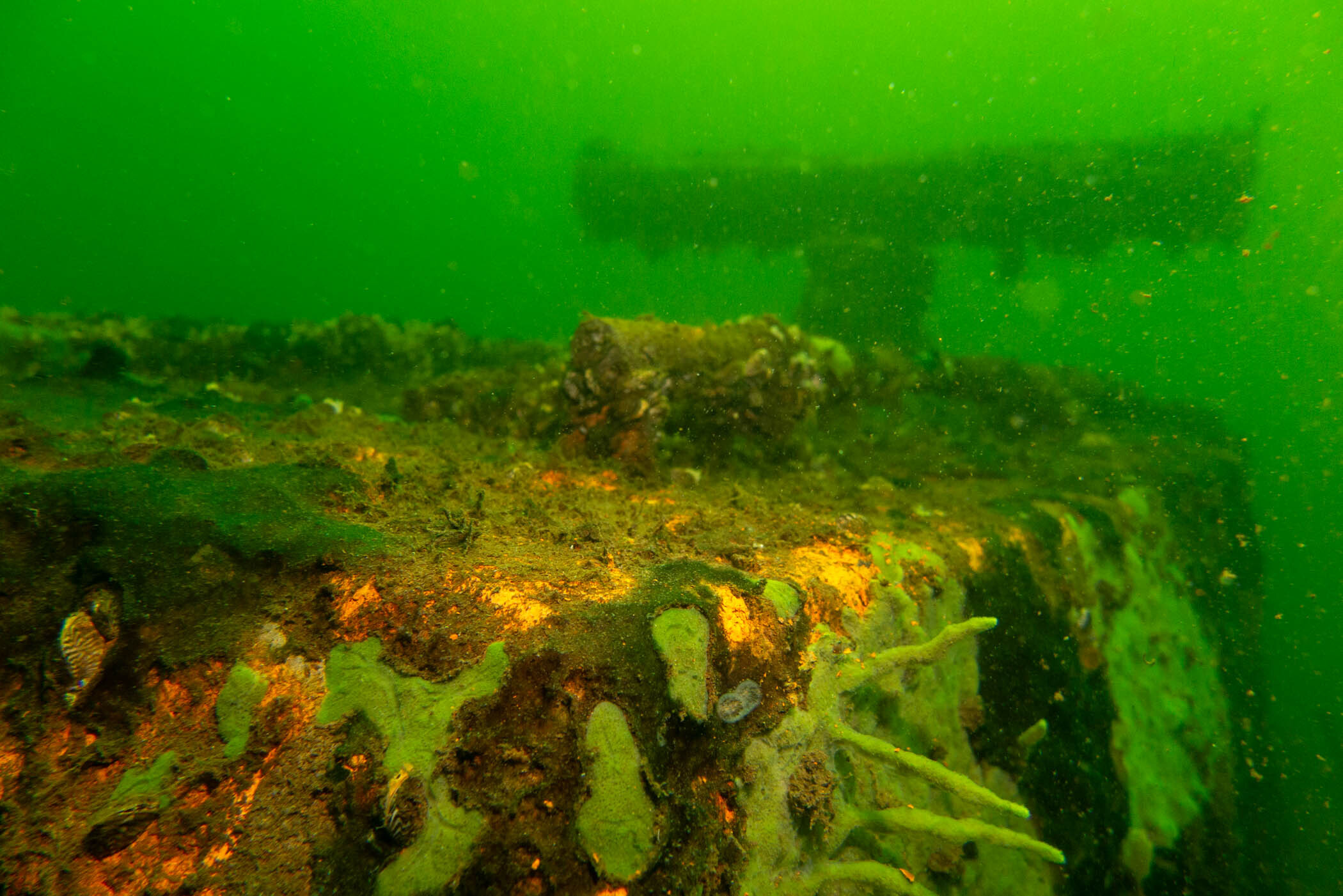
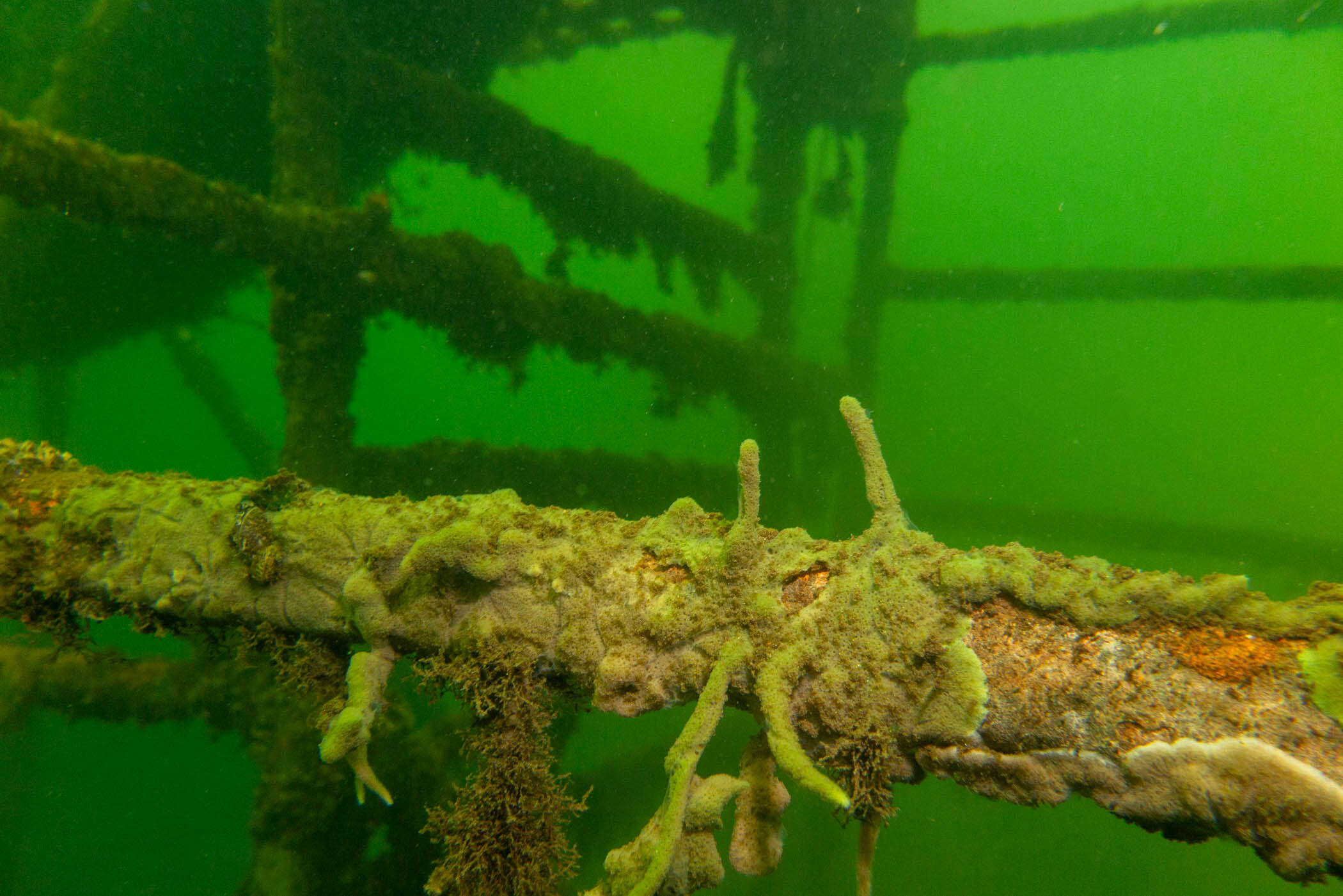
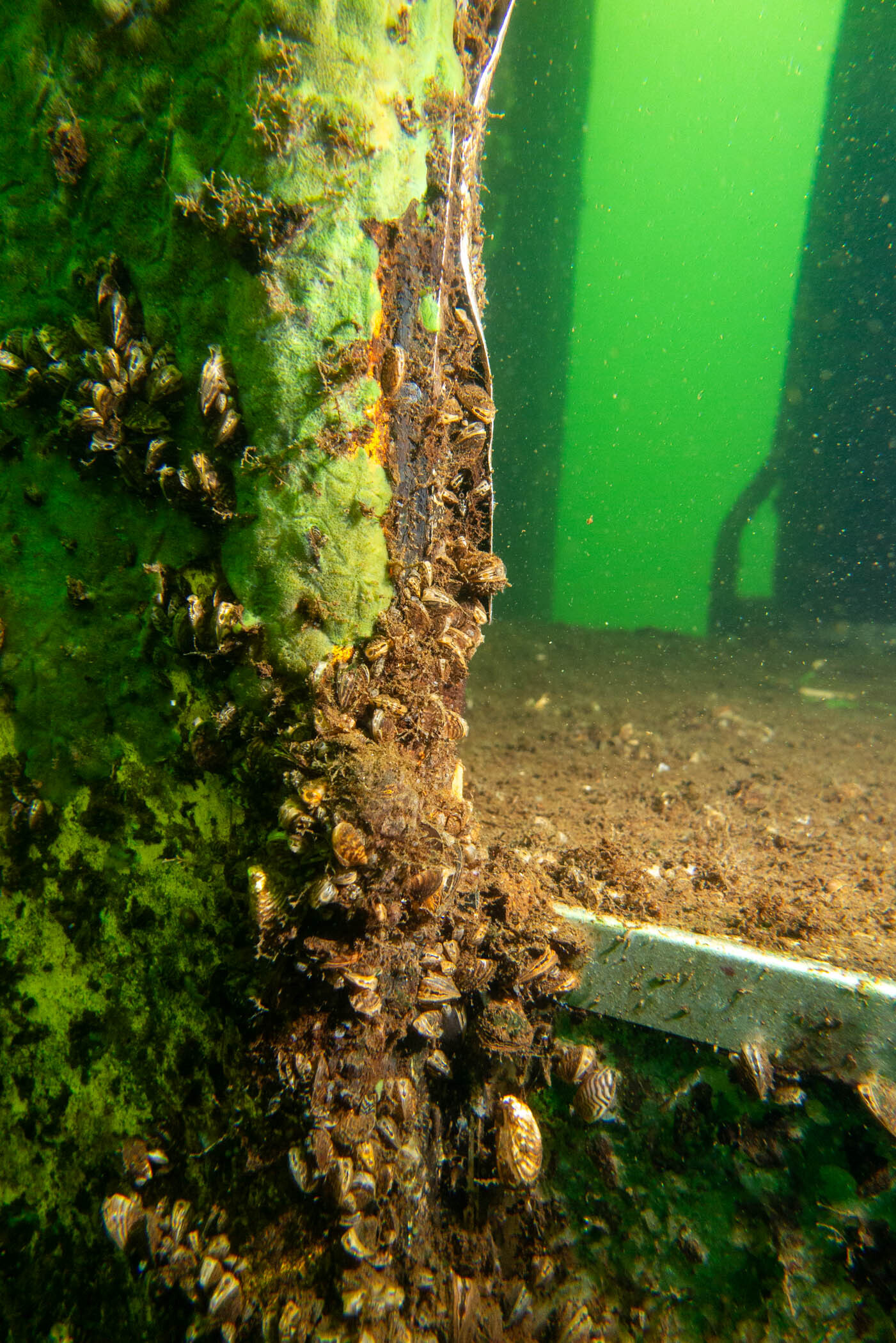
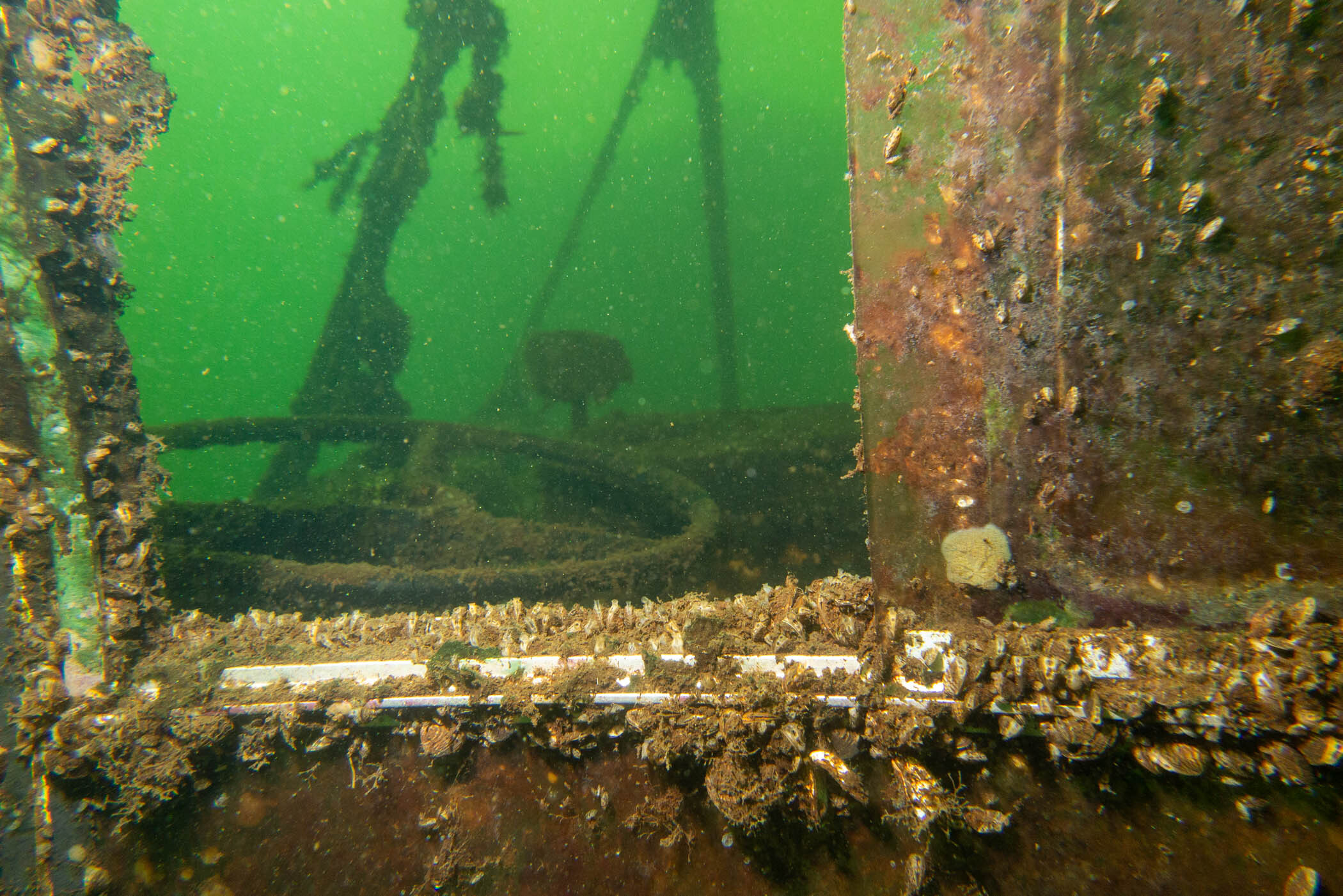
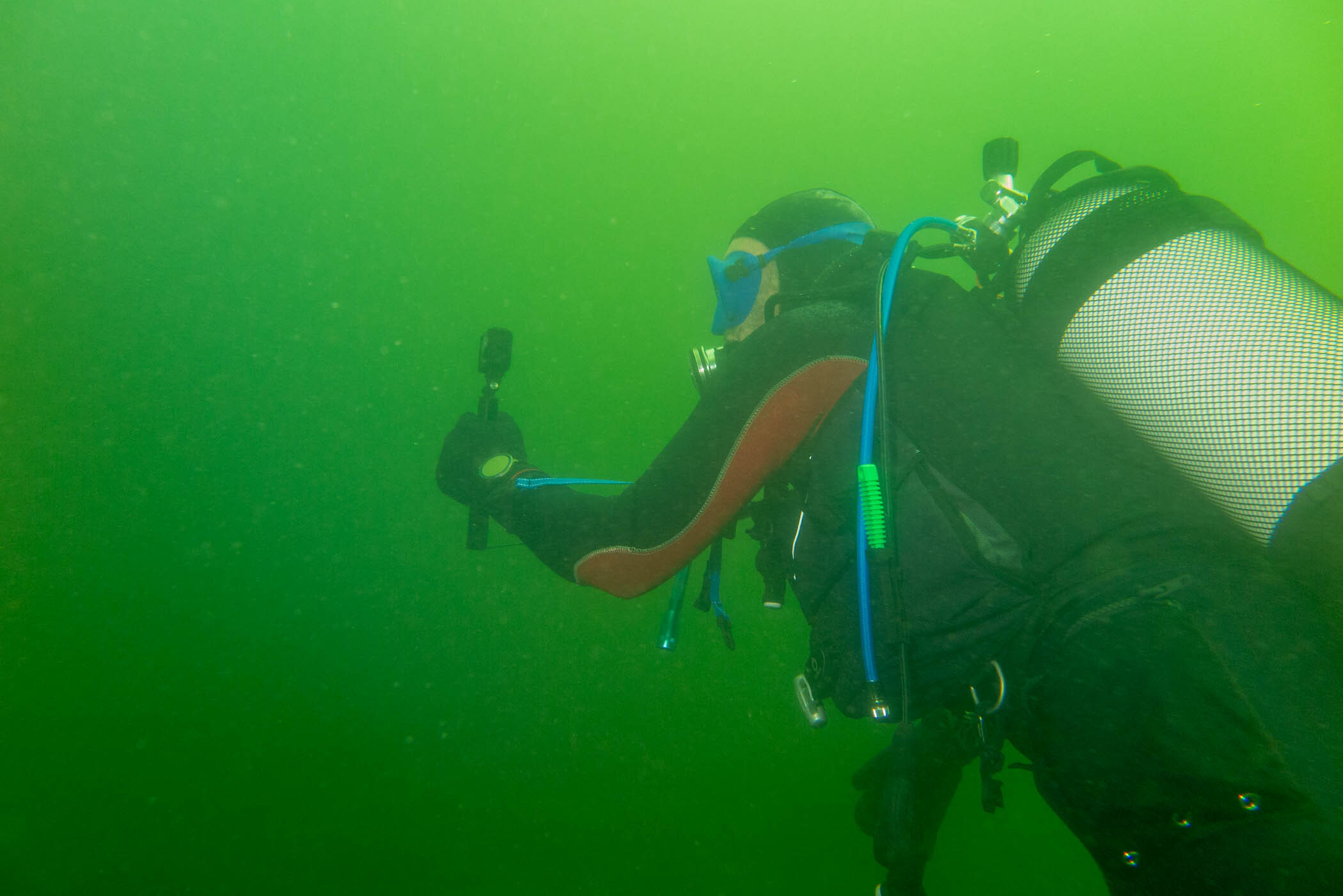
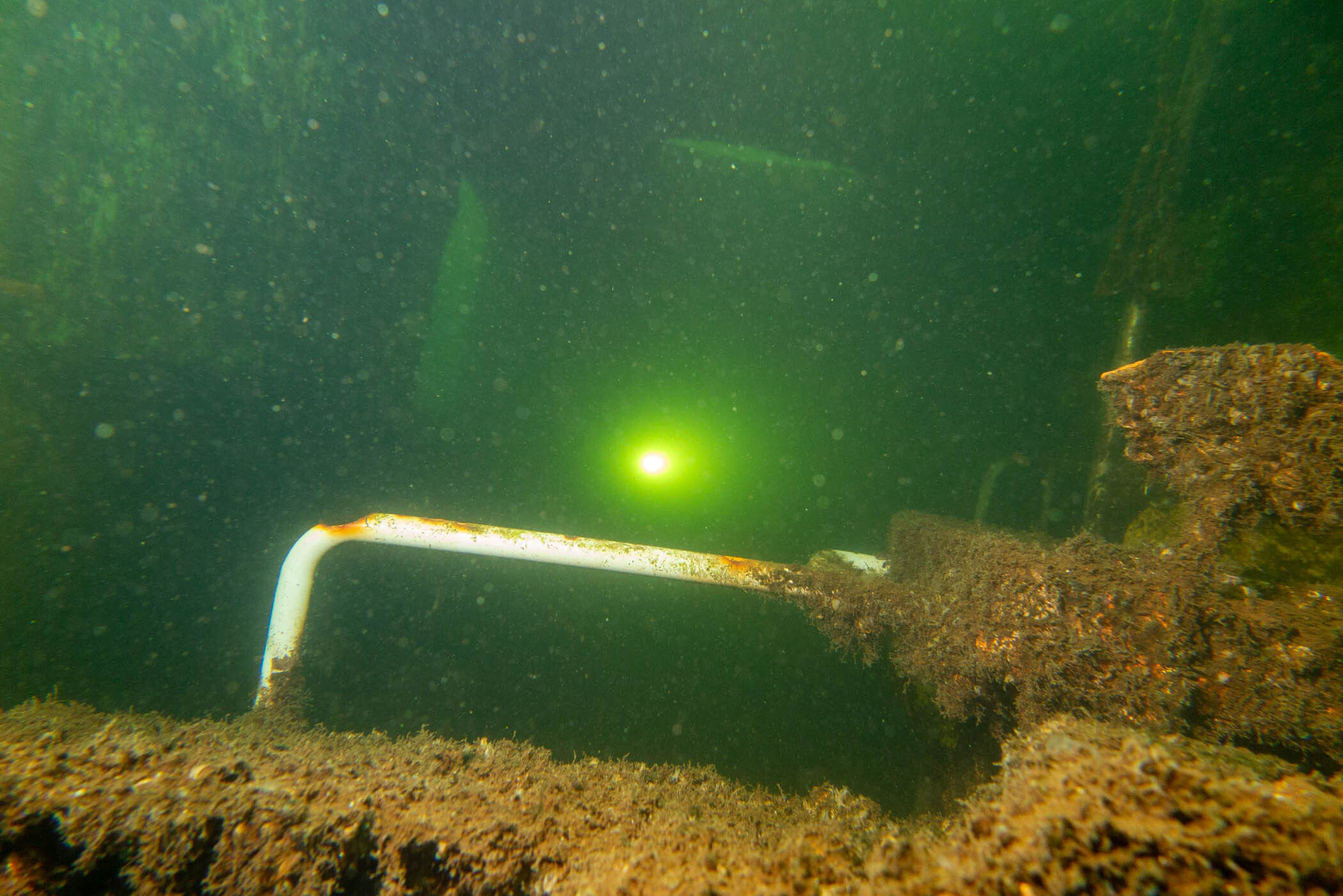
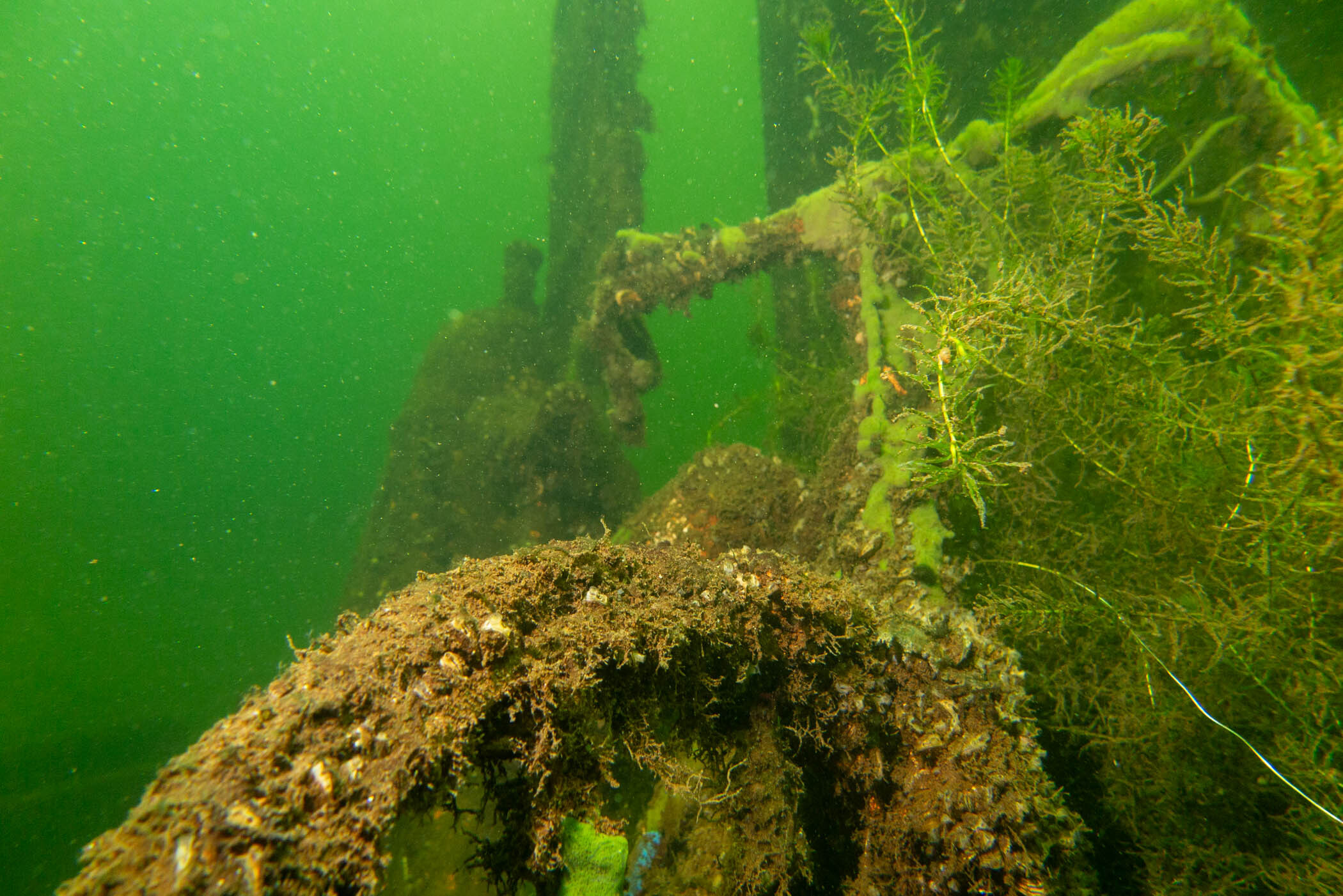
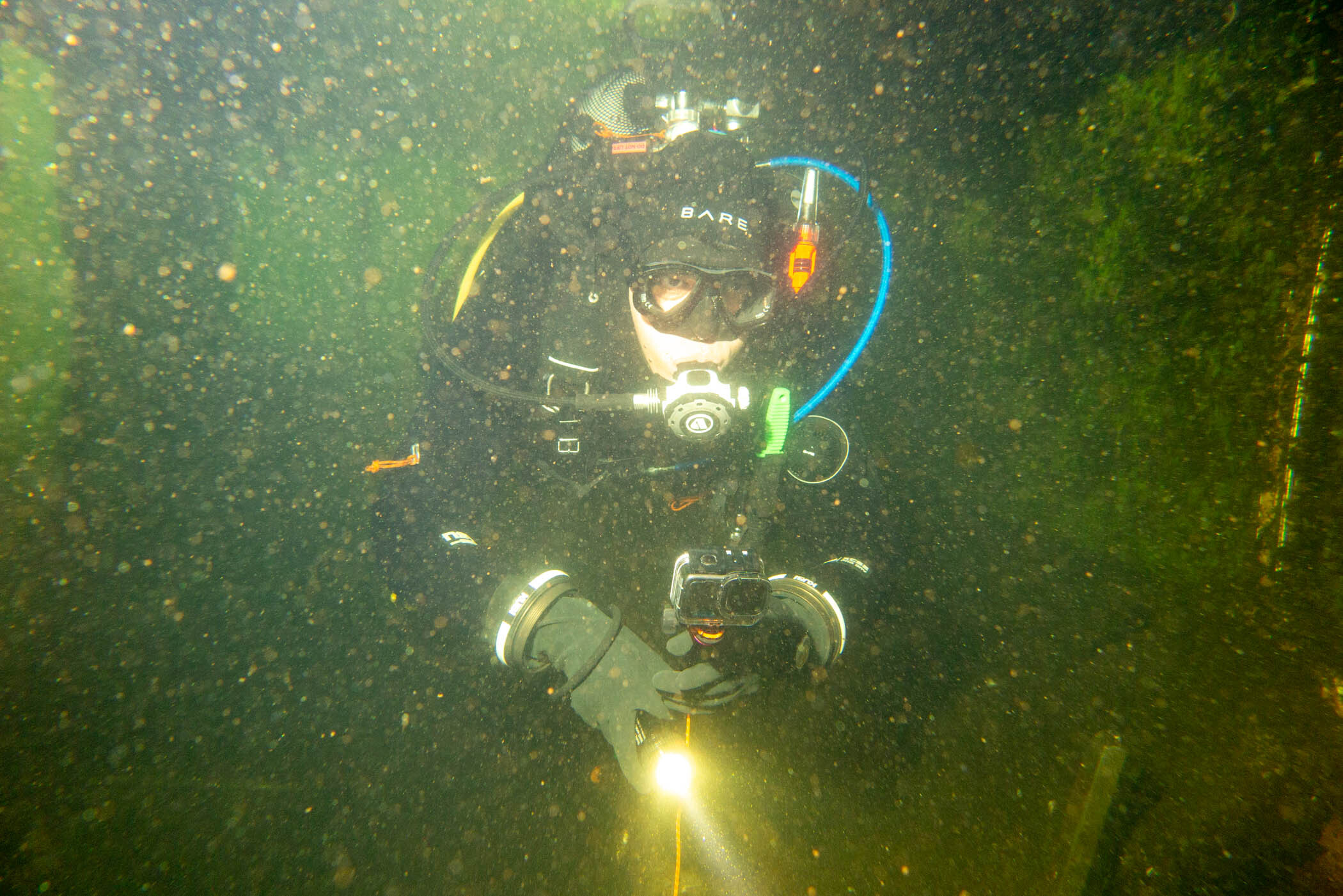
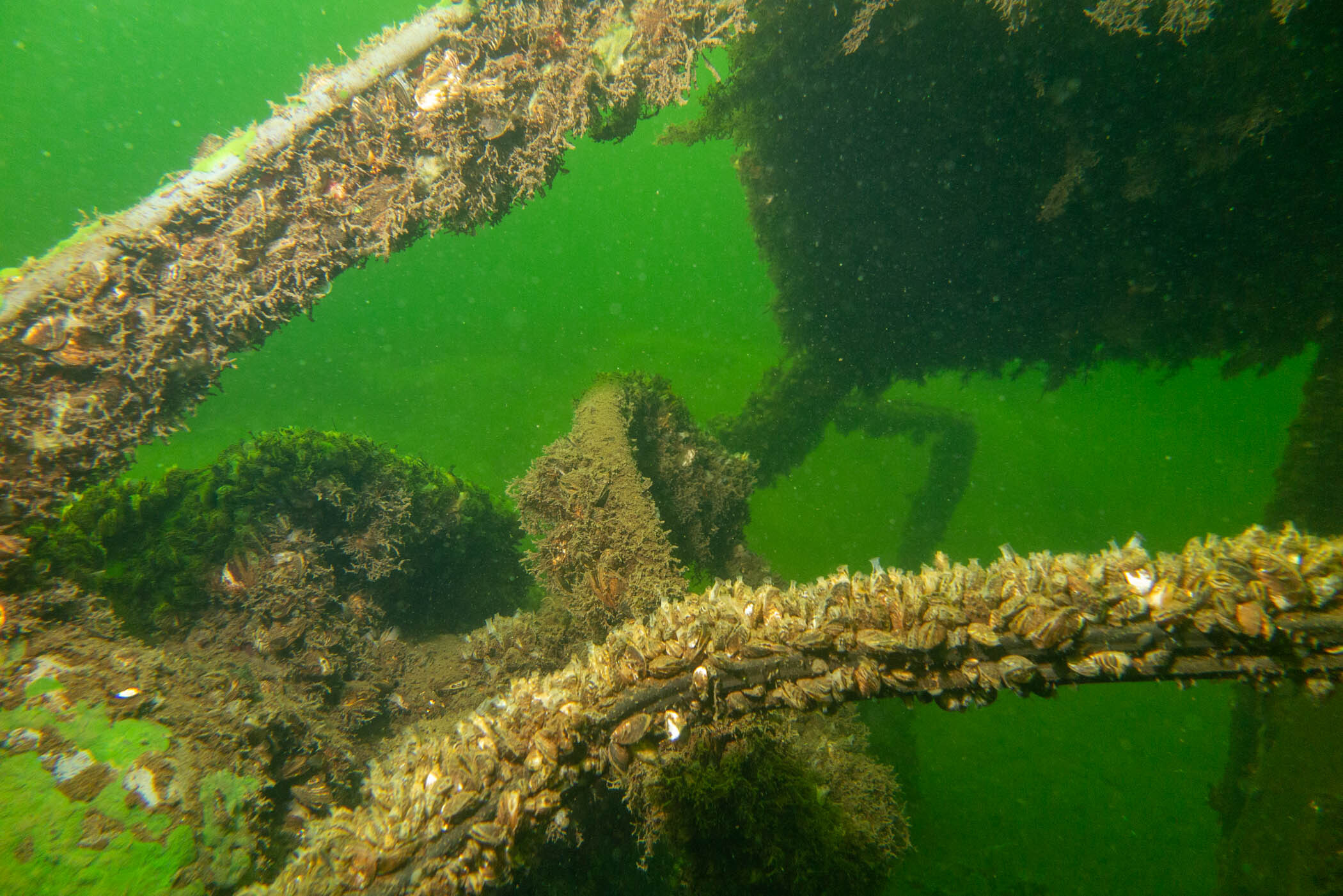
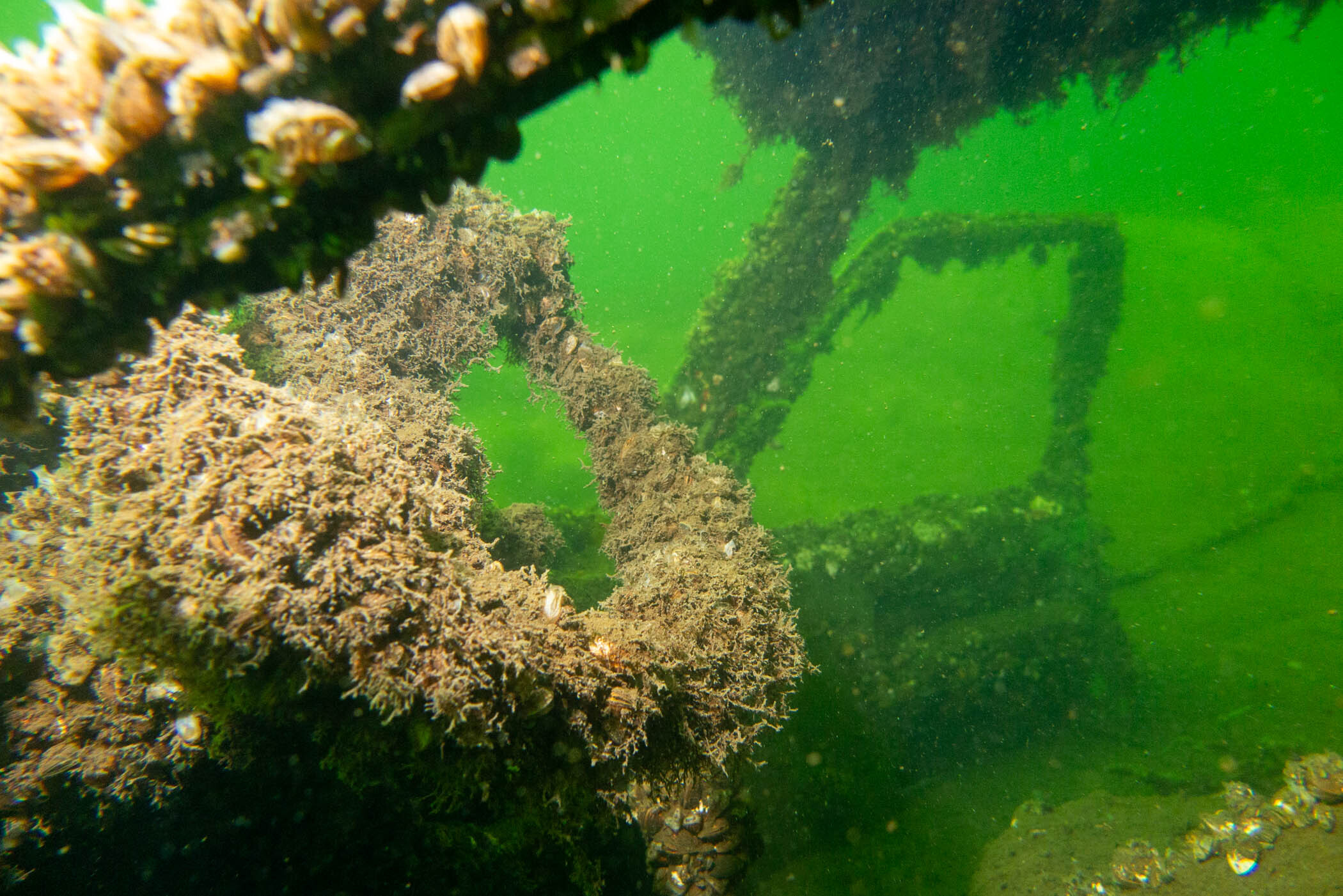

























































































Dive - Reef on right, shoals of fish on entry, including batfish trevely
Headed onto reef plateau of shark. Some large Napoleon wrasse, large, scorpionfish, summa (transparent)
Collected somefishing line
Strong8 thermocline on edge of reef Howards Yolanda wreck, crocodile fish $scorpionfish Shang currents so headed to rest$ headed back to the boat