


 Big Daddy


 Mexique

-
Nº51
 Date : 2009-12-28 - 11:00
-
 Profondeur Max: 27.4m Durée : 45mins
Photos

Aucune photo sur cette plongée
Récemment sur Cancun
Photos récentes sur Cancun
Centre de plongée & Palanquée
 Plongée avec Amaron Rodriguez 193441
 Palanquée :
Kayla Wilson

URL pour ce spot :
- Site :
- Pays
- Zone :
- Mer/Océan/Lac/Rivière :
Profil de plongée
Données fournies par EOL.org









Espèces identifiées
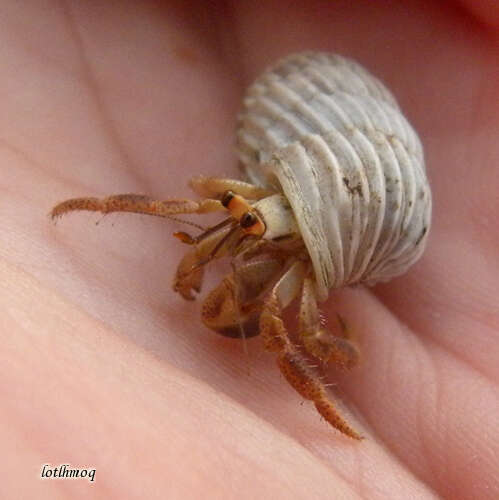
Coenobita clypeatus (J. C. Fabricius, 1787) (Caribbean Hermit Crab)
Dardanus fucosus Biffar and Provenzano, 1972 (bareye hermit)
Gymnothorax moringa (Cuvier, 1829) (Common conger)
A benthic and solitary species abundant in shallow rocky and grassy areas and on coral reefs; less common in turbid bays or harbors. Its bite is very dangerous . Active during the day, sometimes together with other ...
Lire la suite
Lire la suite
Dasyatis americana Hildebrand and Schroeder, 1928 (stingaree)
The southern stingray is an active swimmer that feeds primarily at night, on a diet of invertebrates and small fishes. They feeding by flapping their wing-like pectoral fins to disturb the sand, and expose their prey ...
Lire la suite
Lire la suite
Myliobatis aquila (Linnaeus, 1758) (Common eagle ray)
Found in shallow lagoons , bays and estuaries; also offshore down to at least 95 m . Often found in groups . Feeds on benthic crustaceans, mollusks and fish. Ovoviviparous . Gestation period of 6-8 months, the fema...
Lire la suite
Lire la suite
Lutjanus ehrenbergii (Peters, 1869) (Ehrenberg's snapper)
Inhabits very shallow coastal habitats, often in large schools near freshwater run-offs . Juveniles often intertidal . Feeds on small fish and invertebrates . May enter freshwater to feed .
Lutjanus goldiei (Macleay, 1882) (Papuan black snapper)
Inhabits large freshwater streams. Not reliably reported from marine habitats but may occur in estuaries. Larval stages are probably marine. Juveniles of adolescent fish may occur in mangroves and could be mistaken ...
Lire la suite
Lire la suite
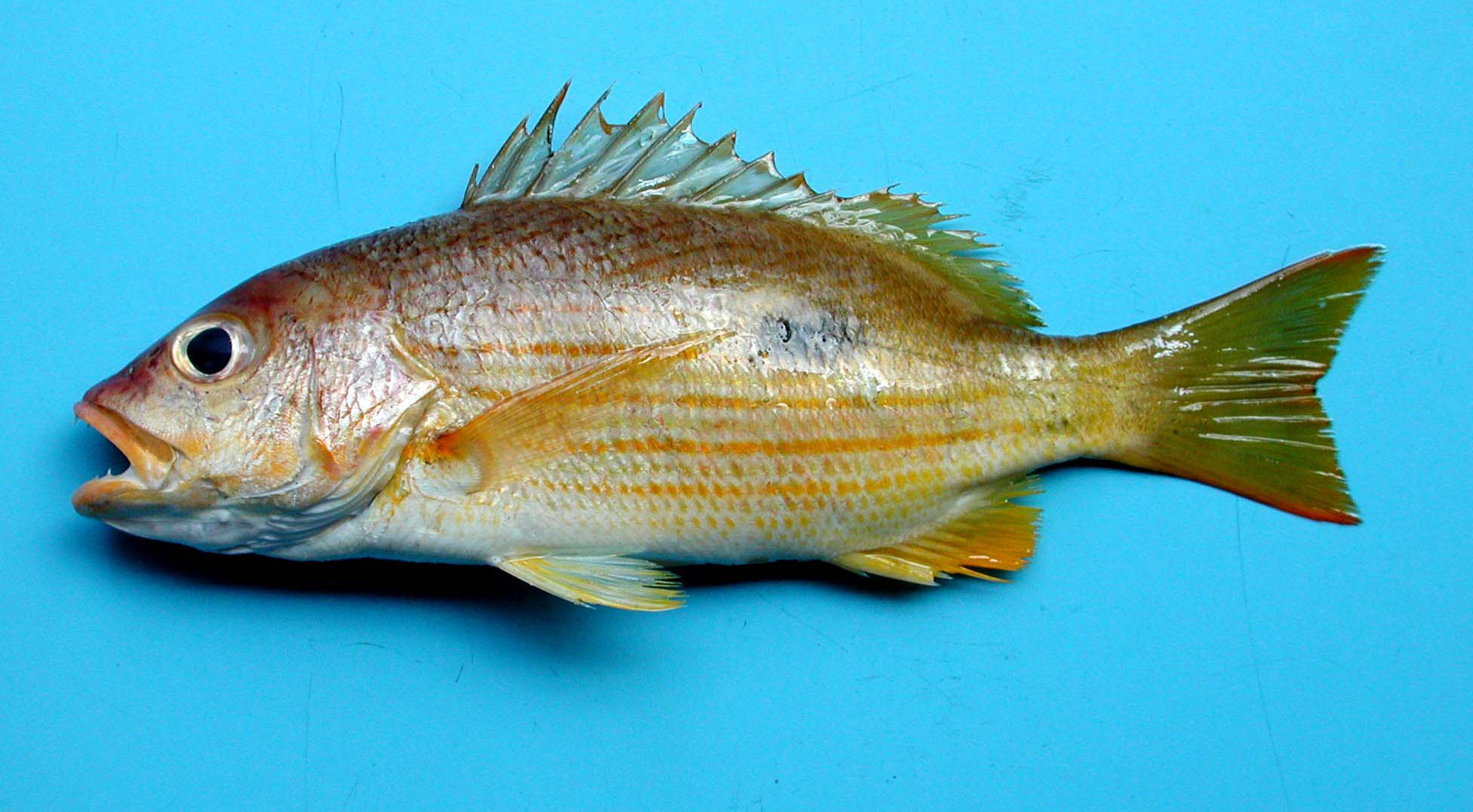
Lutjanus fulgens (Valenciennes, 1830) (golden african snapper)
Occur on rocky bottoms . Also found in deeper offshore waters. Feed on fishes and crustaceans.
Symphorichthys spilurus (Günther, 1874) (blue-lined seabream)
Occurs over sand bottoms in the vicinity of coral reefs. Usually seen singly. Feeds on fishes and sand-dwelling crustaceans and mollusks. Aggregates to spawn along seaward reefs . Occasionally seen in markets.
Lutjanus kasmira (Forsskål, 1775) (bluebanded sea perch)
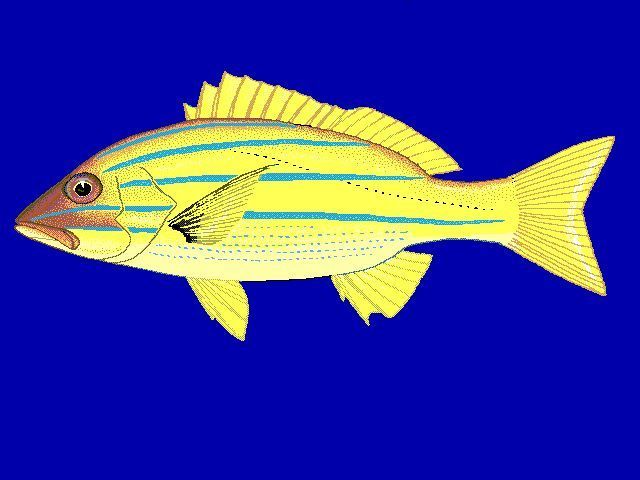
Lutjanus coeruleolineatus (Rüppell, 1838) (Blue line snapper)
Inhabits clear coastal coral reefs. Occurs singly or in small groups. Marketed mostly fresh.
Oulastrea crispata (Lamarck, 1816) (Zebra coral)
zooxanthellate
Platygyra lamellina (Ehrenberg, 1834) (Lesser valley coral)
zooxanthellate
Palauastrea ramosa Yabe and Sugiyama, 1941 (Finger coral)
zooxanthellate
Amphiprion fuscocaudatus Allen, 1972 (Seychelles anemonefish)
Found in lagoon and seaward reefs, particularly patch reefs . Associated with the anemone Stichodactyla mertensii .
Amphiprion chagosensis Allen, 1972 (Chagos anemonefish)
Primarily found in seaward reef slopes, but occasionally on lagoon reefs and reef tops .
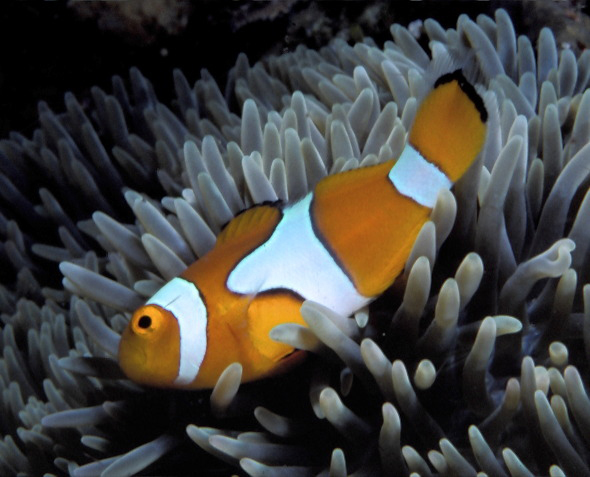
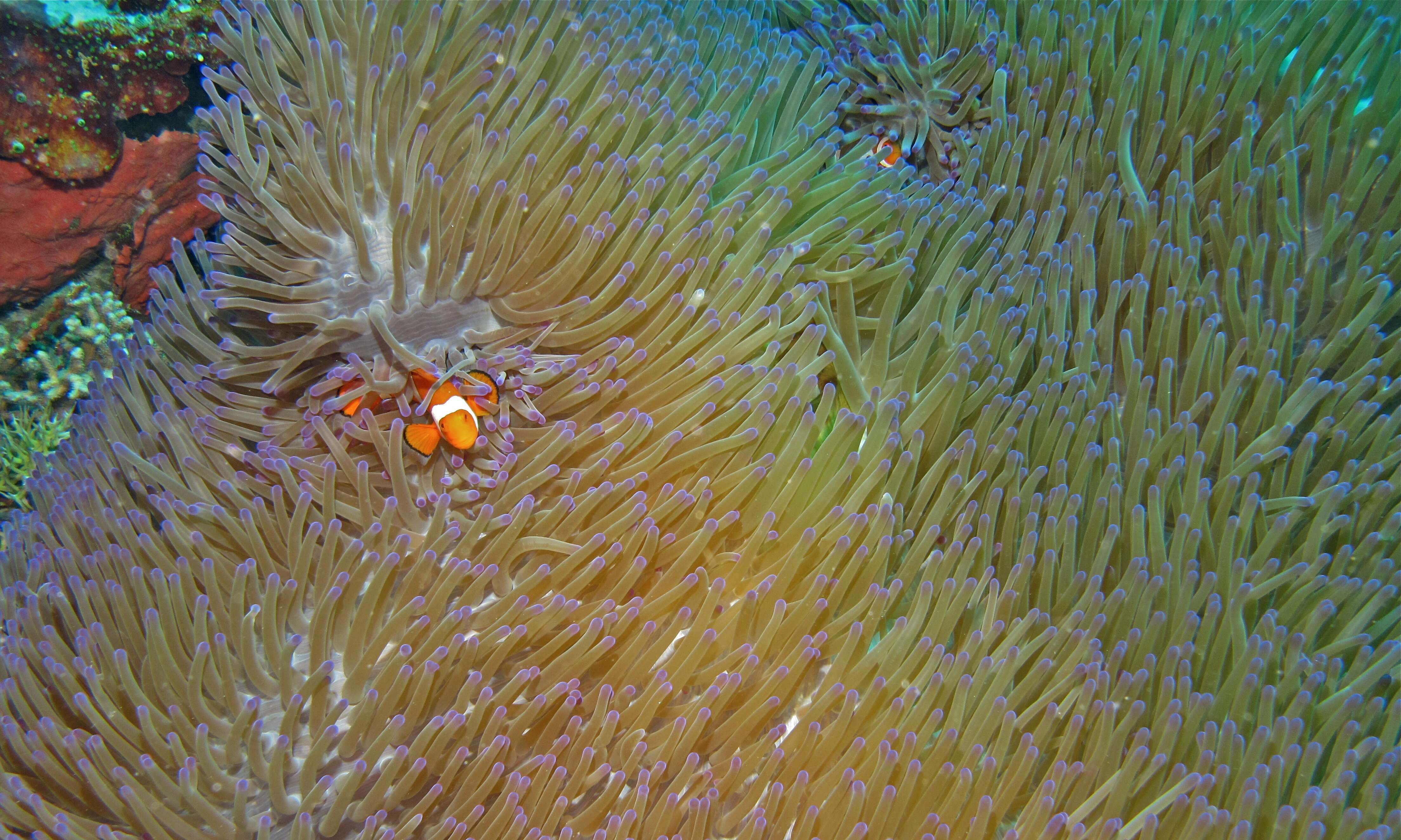
Amphiprion percula (Lacepède, 1802) (Orange clownfish)
Inhabits lagoon and seaward reefs . Each group of fish consists of a breeding pair and 0-4 non-breeders. Within each group there is a size-based hierarchy: the female is largest, the male is second largest, and the ...
Lire la suite
Lire la suite
Amphiprion latifasciatus Allen, 1972 (Madagascar anemonefish)
Found in lagoon and outer reefs, especially coral rich protected areas . Associated with the anemone Stichodactyla mertensii .
Amphiprion ocellaris Cuvier, 1830 (false clown anemonefish)
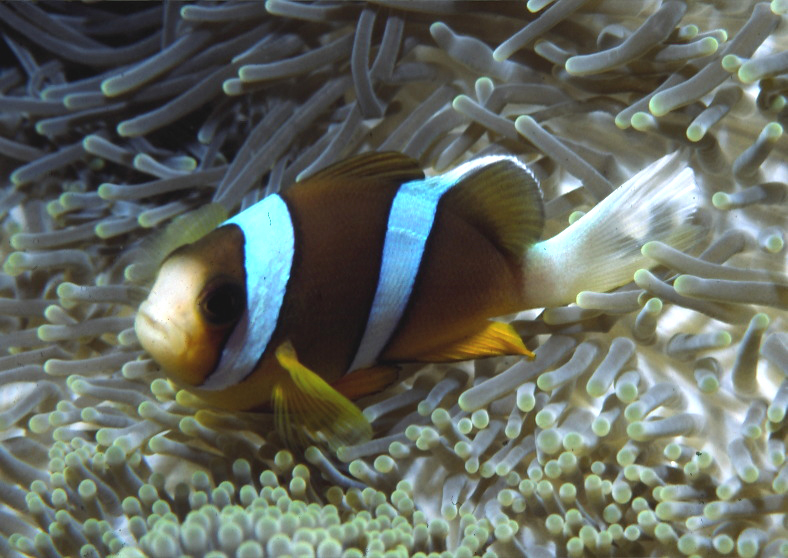
Amphiprion clarkii (Bennett, 1830) (Brown anemonefish)
Inhabits lagoons and outer reef slopes. Omnivorous. Oviparous, with elliptical eggs . Monogamous . Has been reared in captivity . Associated with the anemones: Cryptodendrum adhaesivum, Entacmaea quadricolor, Het...
Lire la suite
Lire la suite
Pavona maldivensis (Gardiner, 1905) (Leaf coral)
zooxanthellate
Brissus brissus (Leske, 1778)
Oreaster reticulatus (Linnaeus, 1758) (cushion sea star)
Astropecten duplicatus Gray, 1840 (two-spined star fish)
Condylactis gigantea (Weinland, 1860) (giant caribbean anenone)
Partager sur les Réseaux Sociaux
- Facebook:

Personnalisez le texte de partage et son emplacement (mur, page, ...) ou envoyez le en tant que message privé à un de vos amis
- Twitter: Tweet personnalisez votre tweet
- Google Plus:
Lien direct vers cette plongée
- Lien complet :
- Lien abrégé :


 Diveboard participe aujourd'hui au concours de startups Techcrunch Disrupt. Montrez que vous aimez Diveboard en votant pour nous !


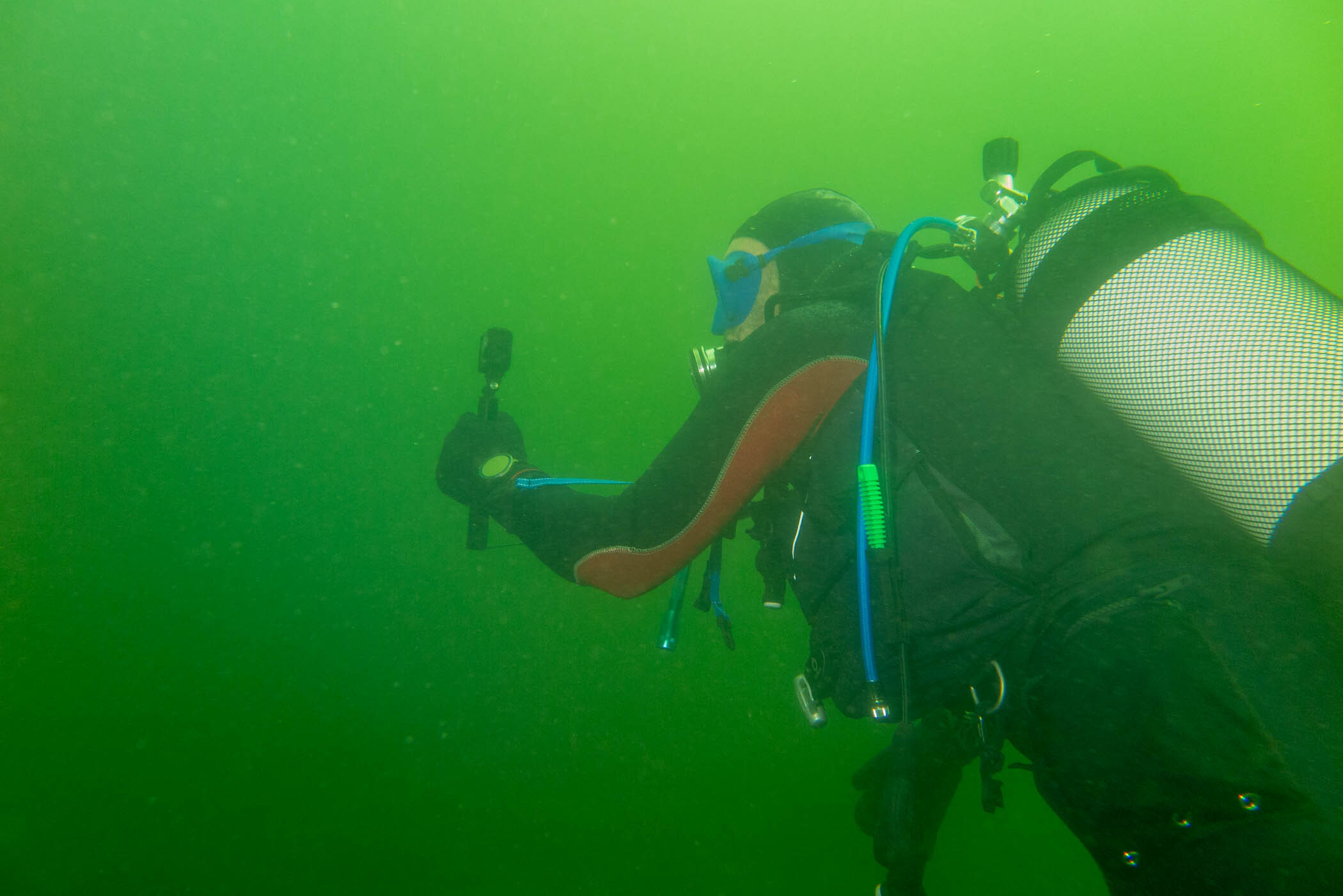
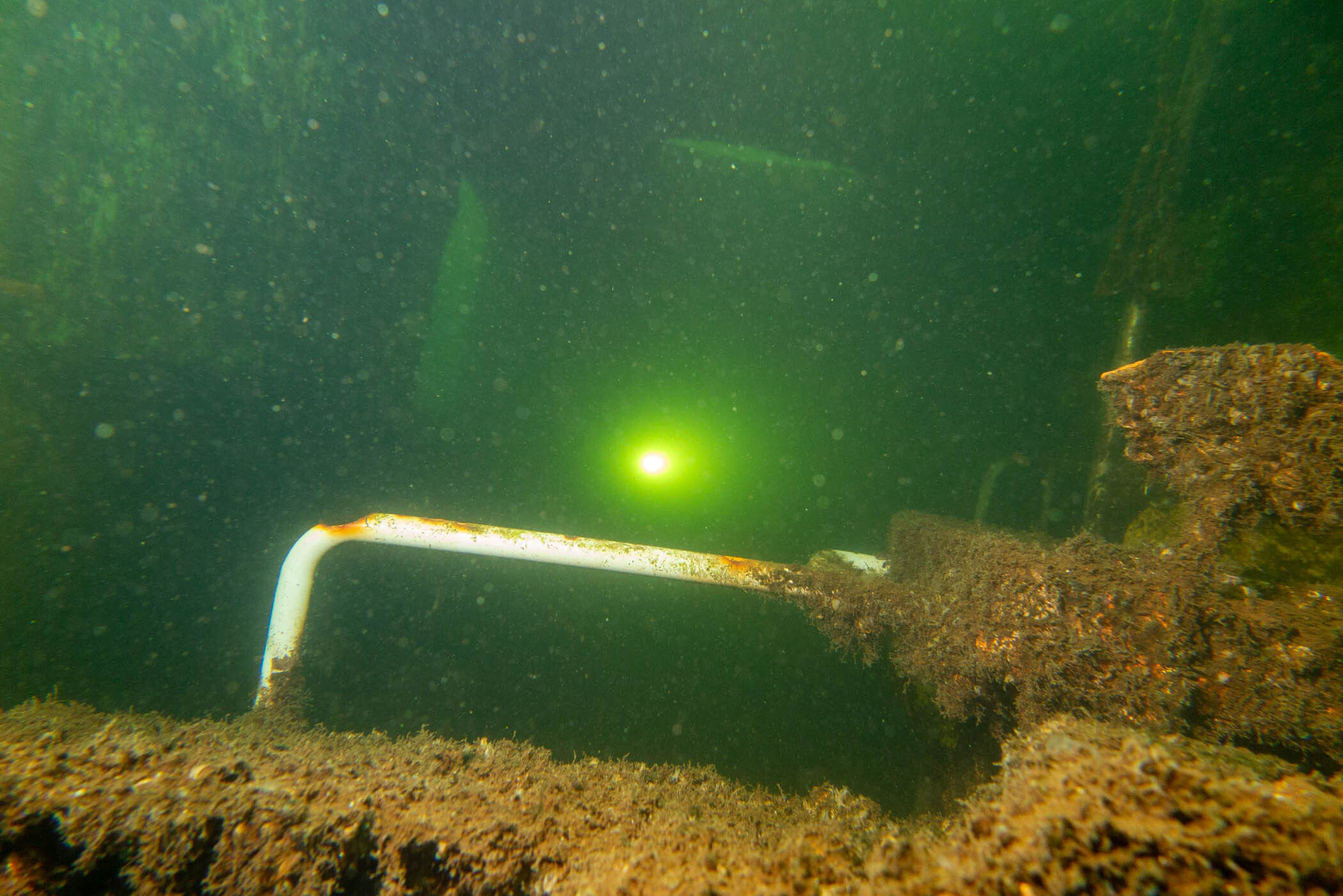
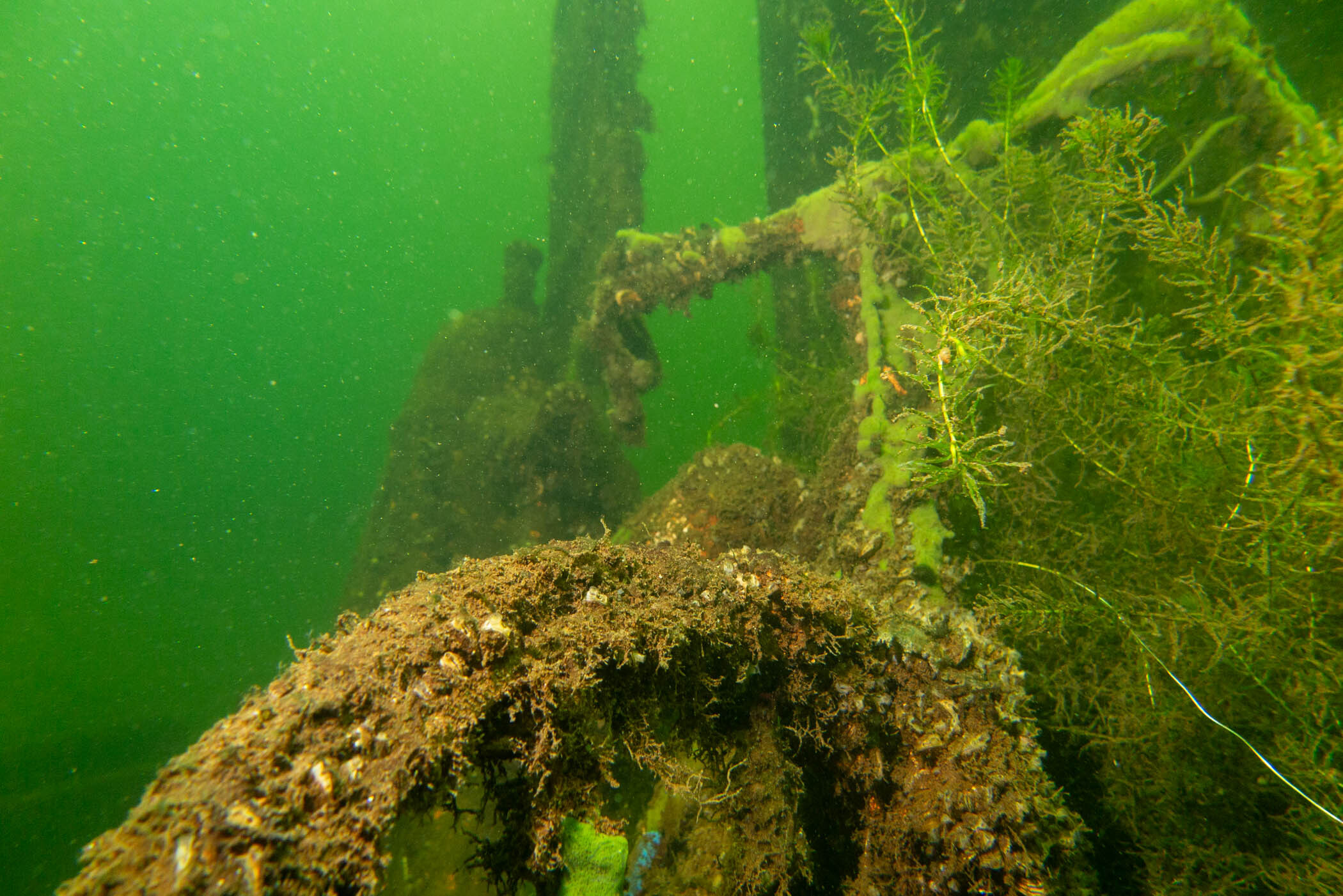
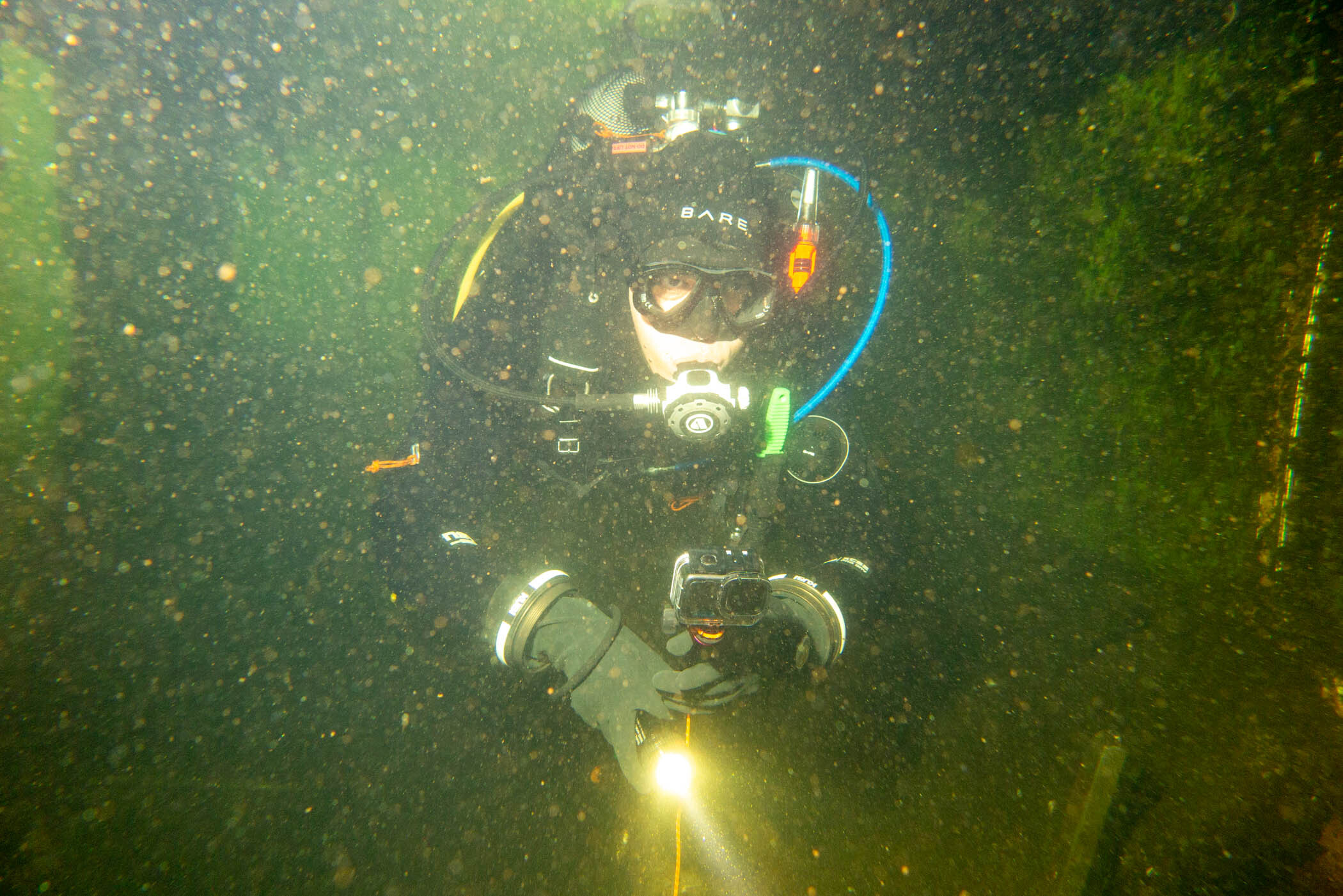
























































































8 Divers total.
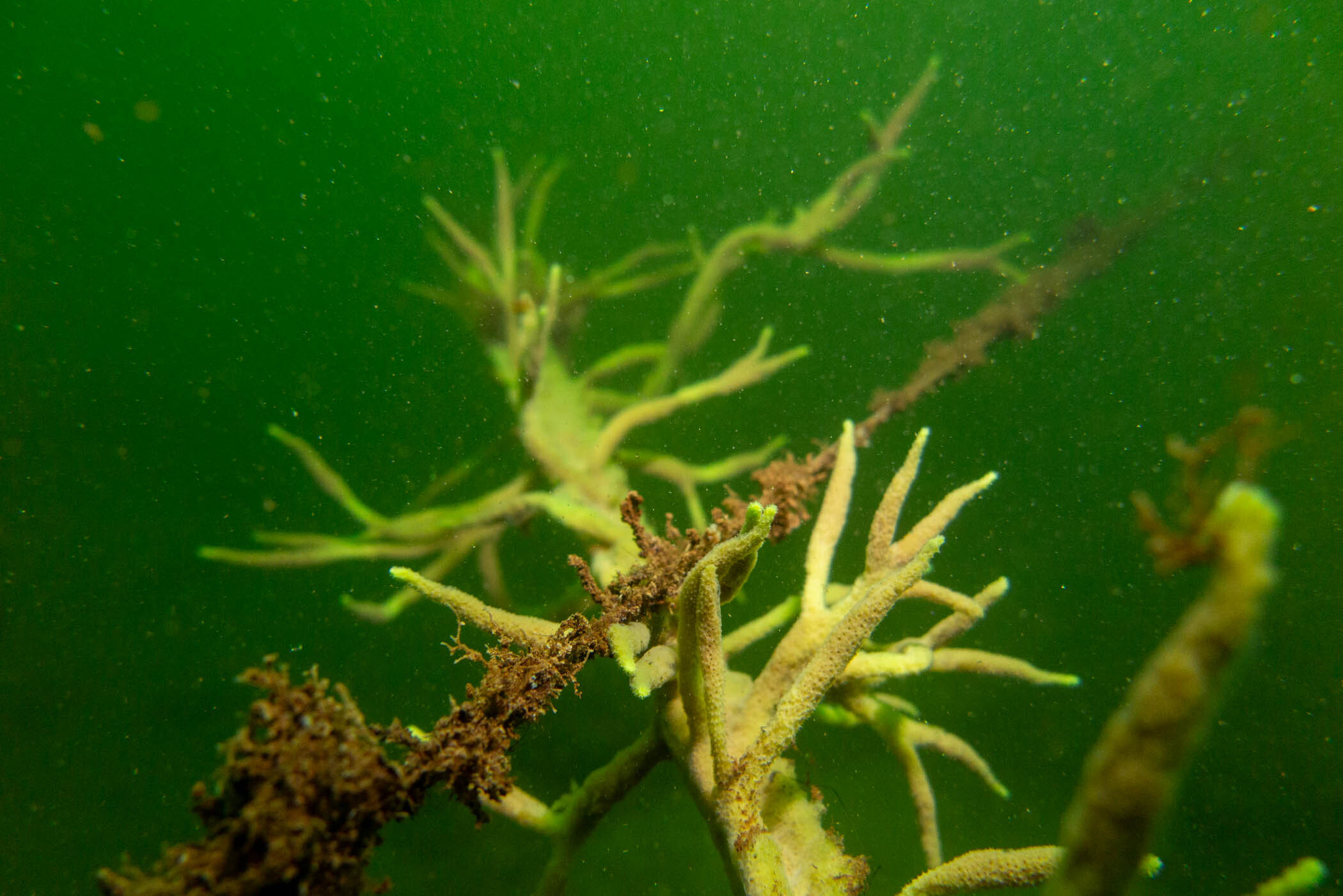
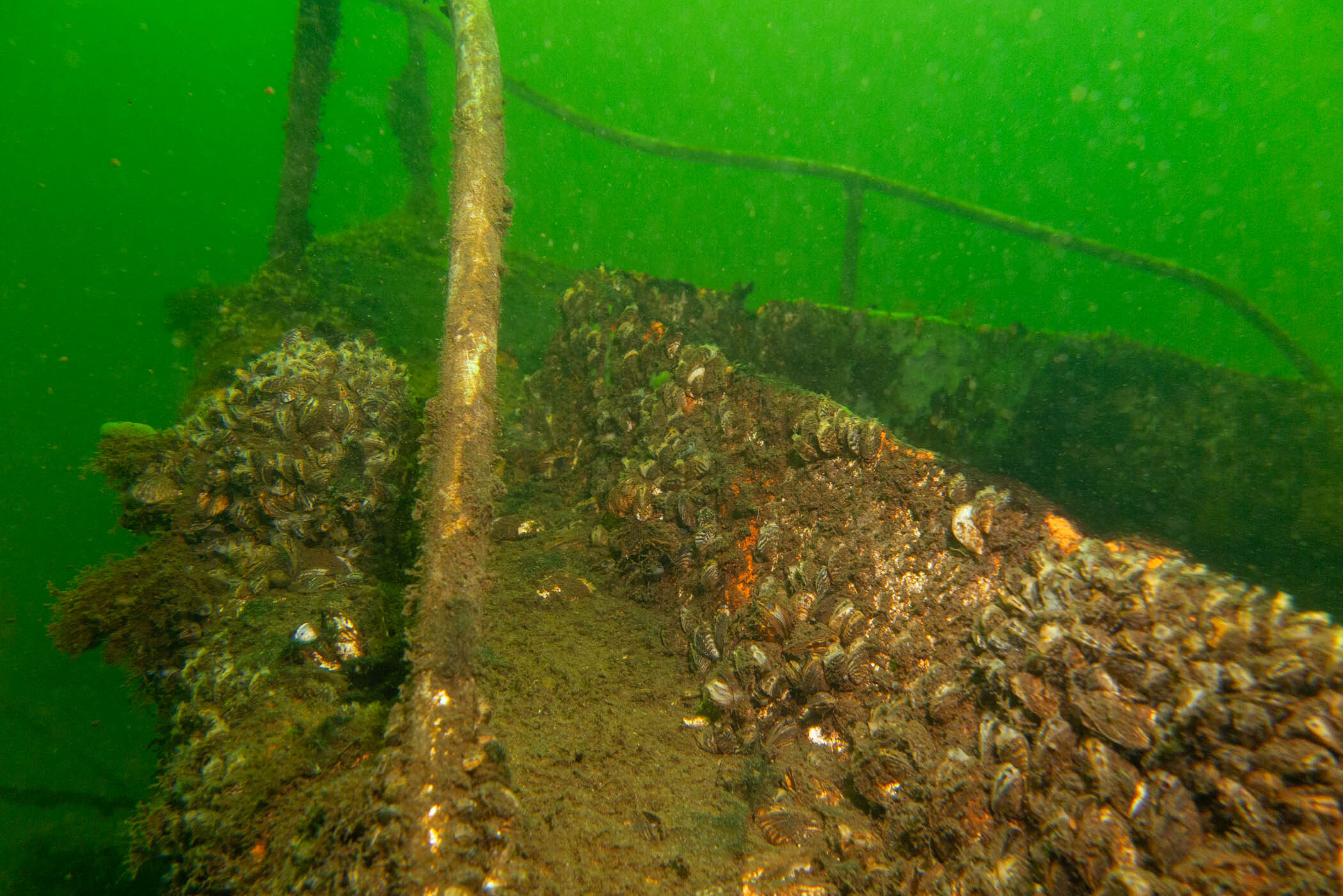
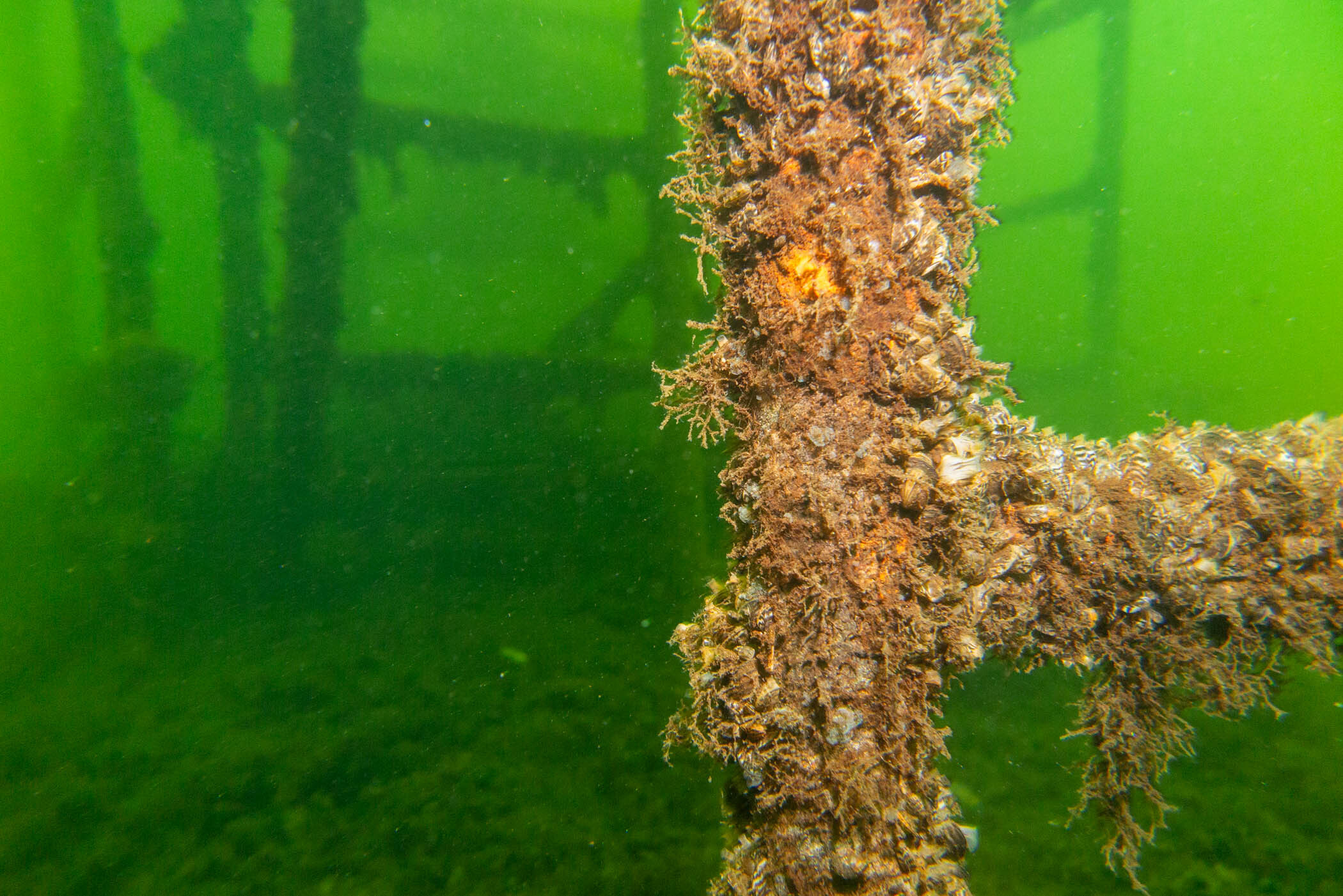
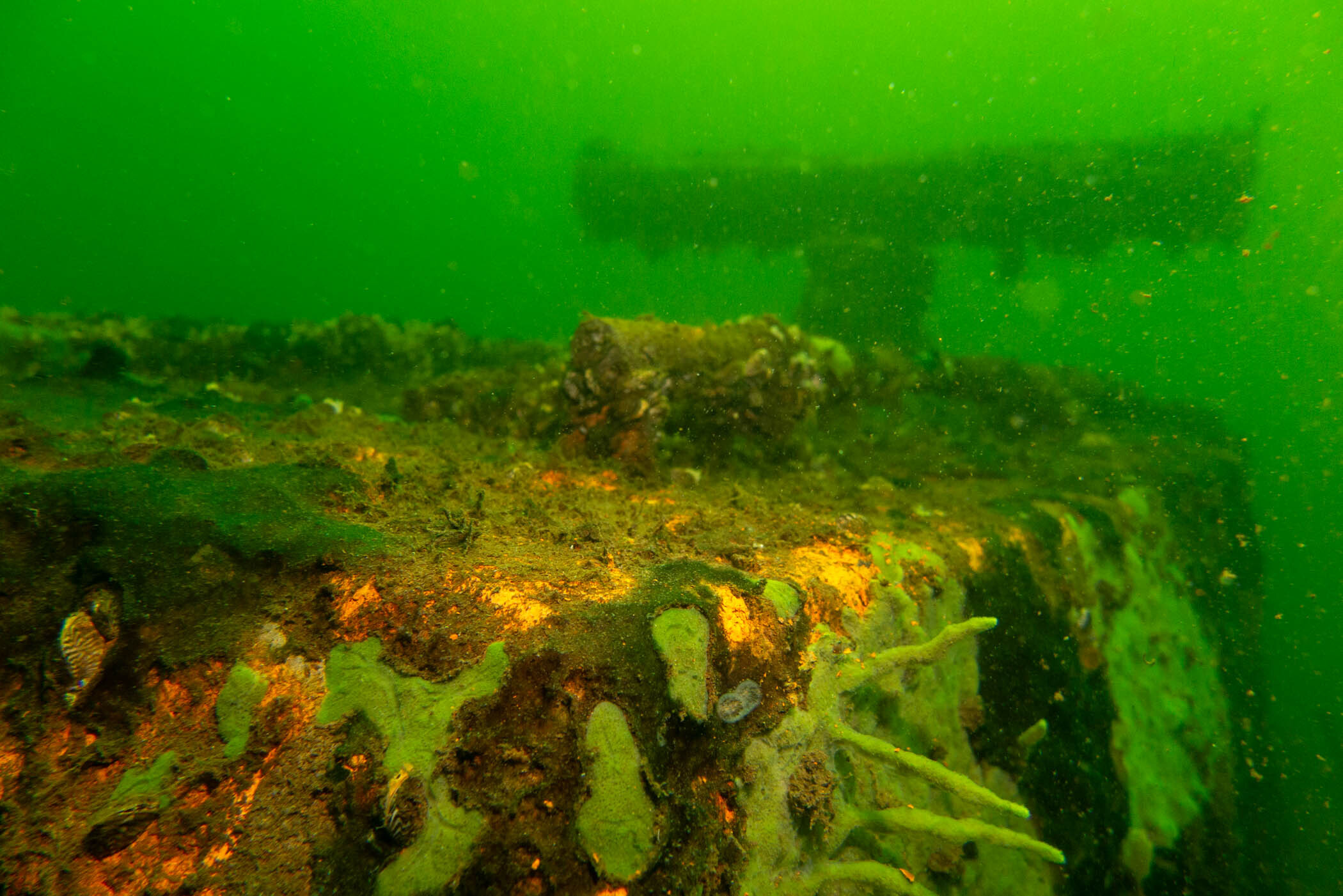
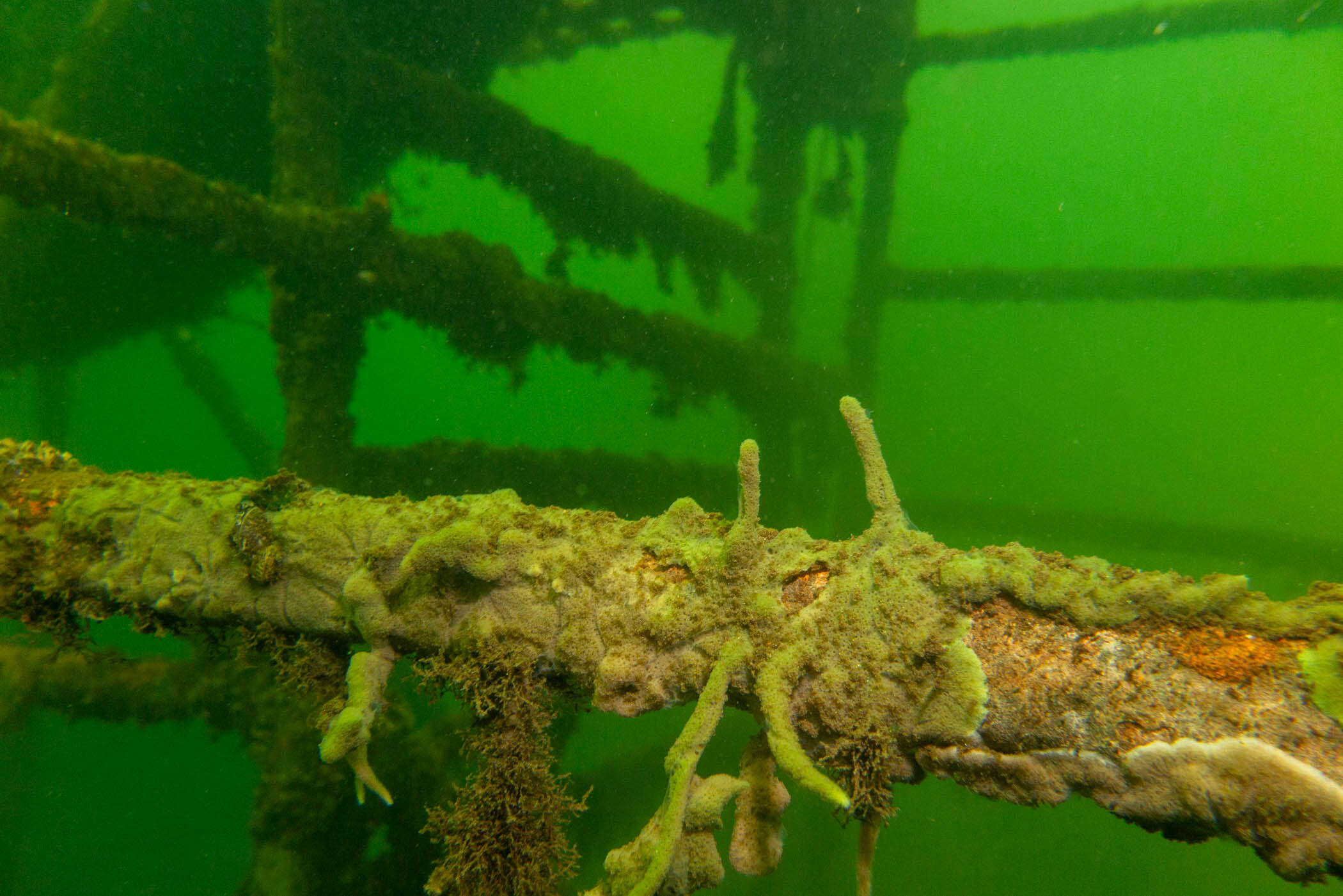
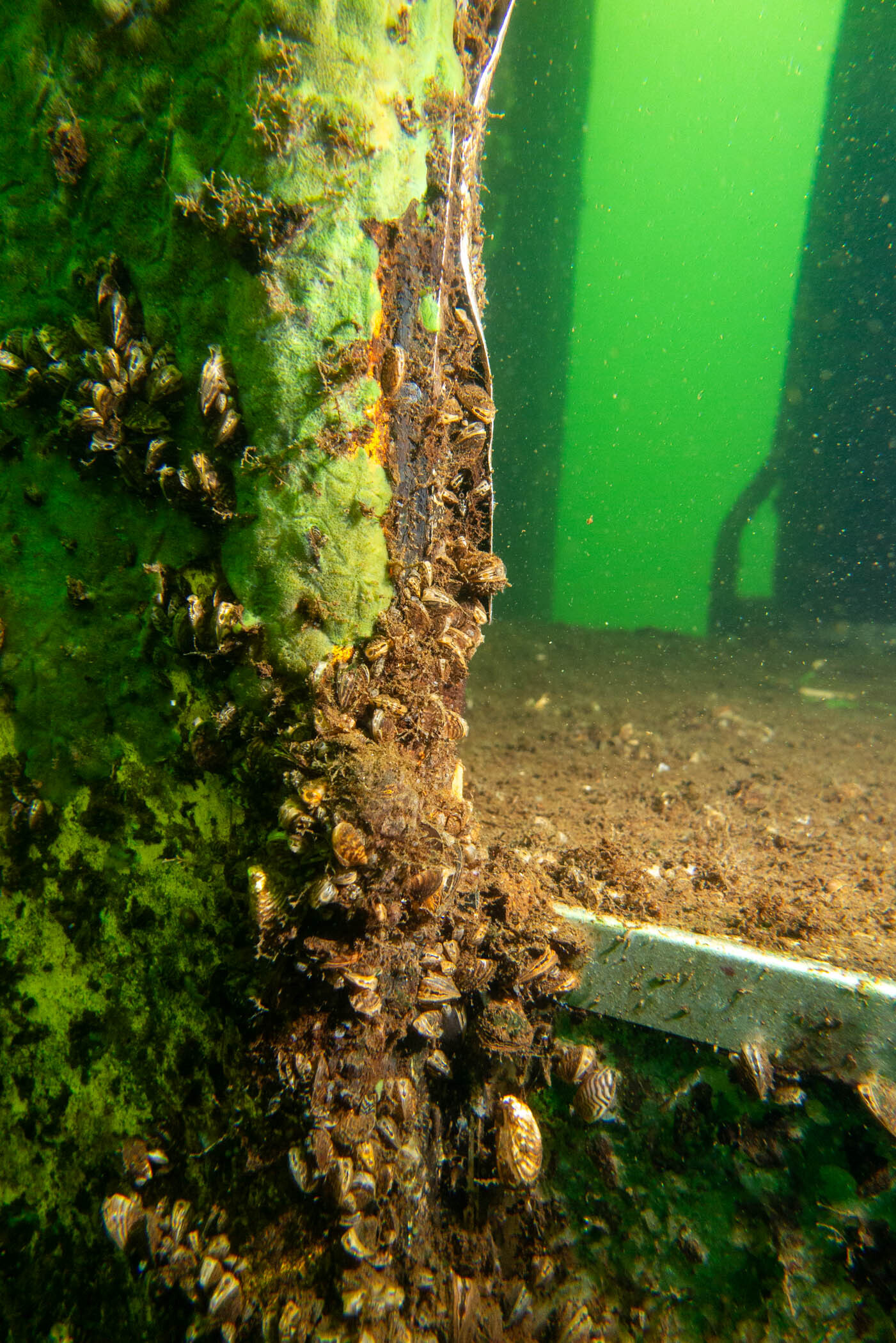
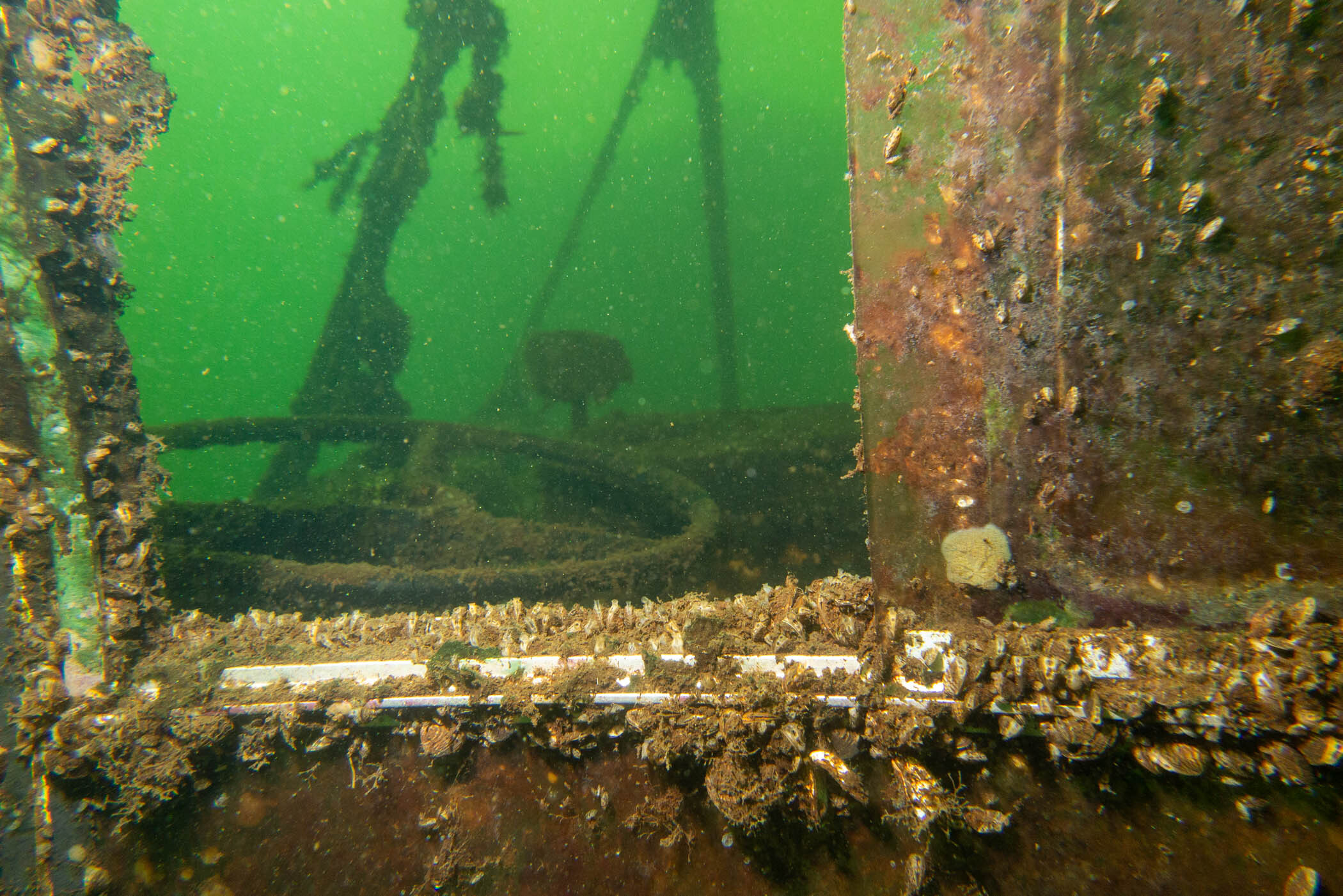
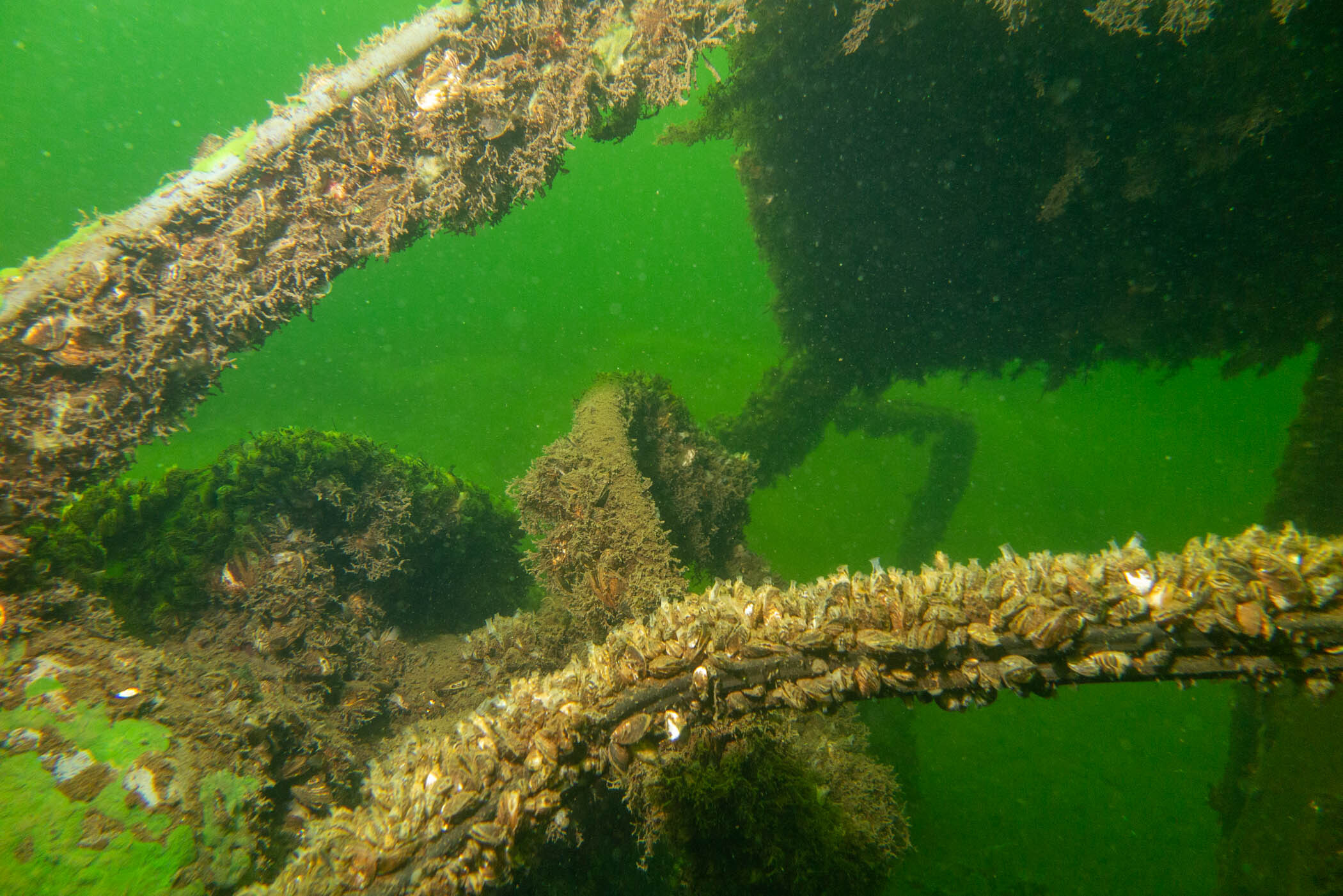
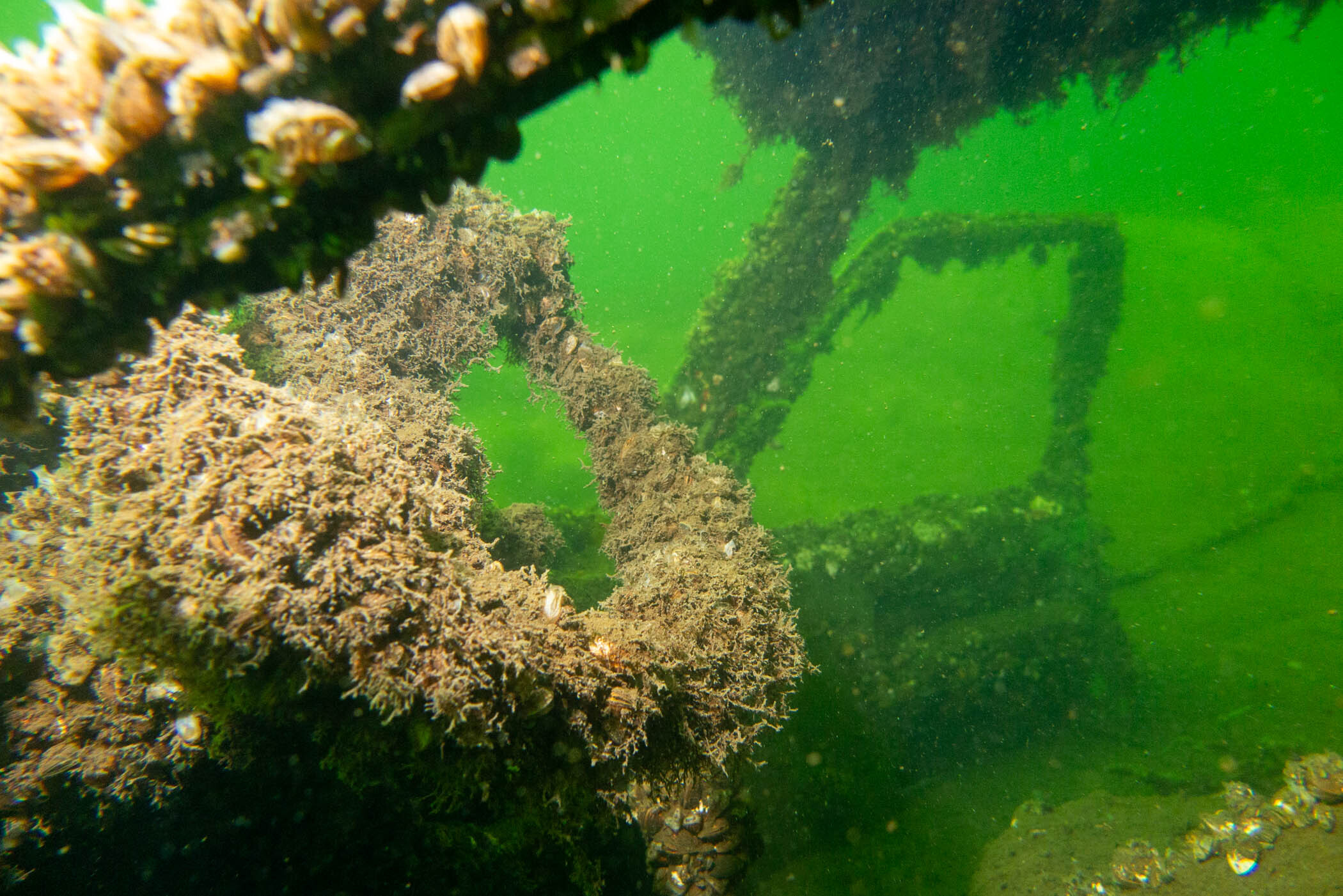
EXTREMELY CHOPPY (8-9 foot waves) and we were in a 22 foot long boat! 5 of 8 sick while we drove 3-4 miles off point of Yucatan Penninsula into open water. This is the junction where Carribean, Atlantic and Gulf of Mexico converge . . . so currents are strong all the time. Had to do negative entry to stay together and head for bottom. Once down on the wreck it was beautiful - we saw school of eagle rays, lobster all over and schools of fish all through the wreck. It was an old patrol gunship brokeninto two pieces about 100 feet apart.
I realized on this dive that I ned to get myself back into better shape - had a lot of trouble catching my breath after hard kicks.