


 April Leonard


 Netherlands Antilles
-
Nº67
 Date : 2016-10-03 - 13:05
-
 Profondeur Max: 16.2m Durée : 39mins
Site de plongée

- Temp: Surf 35°C Fond 29°C
- Type de plongée : Loisir, Récif, Photo, Shore dive
- Type d'eau Salée
Equipement particulier utilisé
- Stab: Oceanic - Hera
- Ordinateur: Oceanic - Pro Plus 2.1
- Détendeur: Oceanic - Delta 4
Dive reviews
| Avis global | ||
| Difficulté de la plongée | ||
| Qualité de la flore et de la faune |
Récemment sur Bonaire

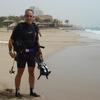

Photos récentes sur Bonaire
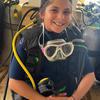
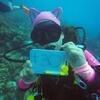
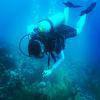
Centre de plongée & Palanquée
 Plongée avec Buddy Dive
 Palanquée :
Justin Jantes,
Kevin Rapine,
Joe_kickass

URL pour ce spot :
- Site :
- Pays
- Zone :
- Mer/Océan/Lac/Rivière :
Profil de plongée
- 1. Nitrox 32
- 0L Steel 200 → 50 bar
- Profondeur moyenne: m
- 2. Air
- 0L Steel 200 → 50 bar
- Profondeur moyenne: m
- 3. Air
- 0L Steel 200 → 50 bar
- Profondeur moyenne: 9.2m
Données fournies par EOL.org

Espèces identifiées
Aetobatus narinari (Euphrasen, 1790) (Bishop ray)
Large groups of spotted eagle rays may be seen outside of the breeding season. These rays swim close to the surface and can occasionally be seen jumping clear out of the water (known as 'breaching') . Females give birt...
Lire la suite
Lire la suite
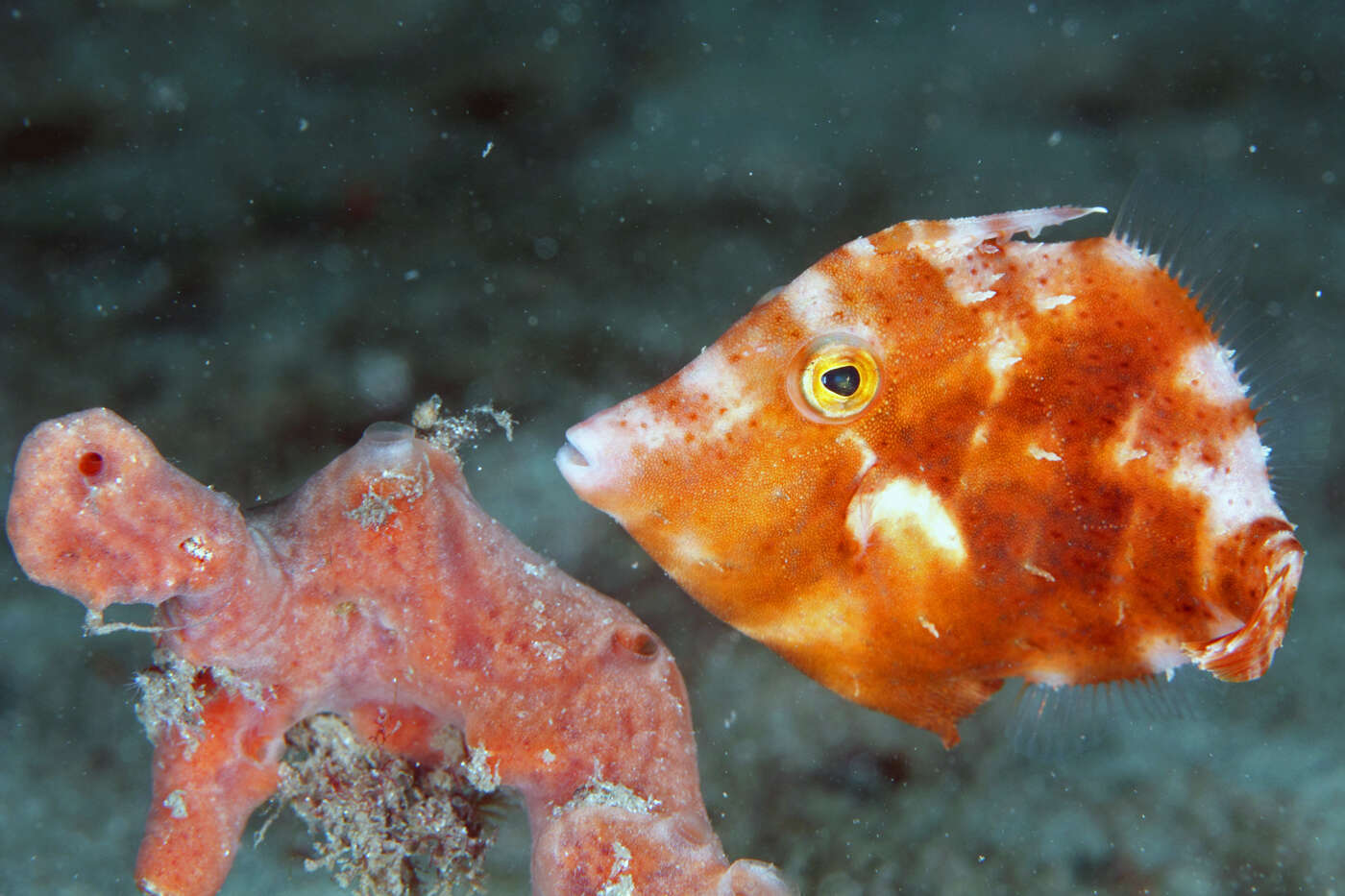
Monacanthus ciliatus (Mitchill, 1818) (Fringed Fiiefish)
Occurs in shallow water down to 50 m depth, over sandy and rocky bottoms, but more commonly in grass beds . Often seen moving head down among seagrass blades . The young are often associated with floating Sargassum . Feeds on plants and algae, and also on small crustaceans . Rarely consumed .
Megalops atlanticus Valenciennes, 1847 (Atlantic tarpon)
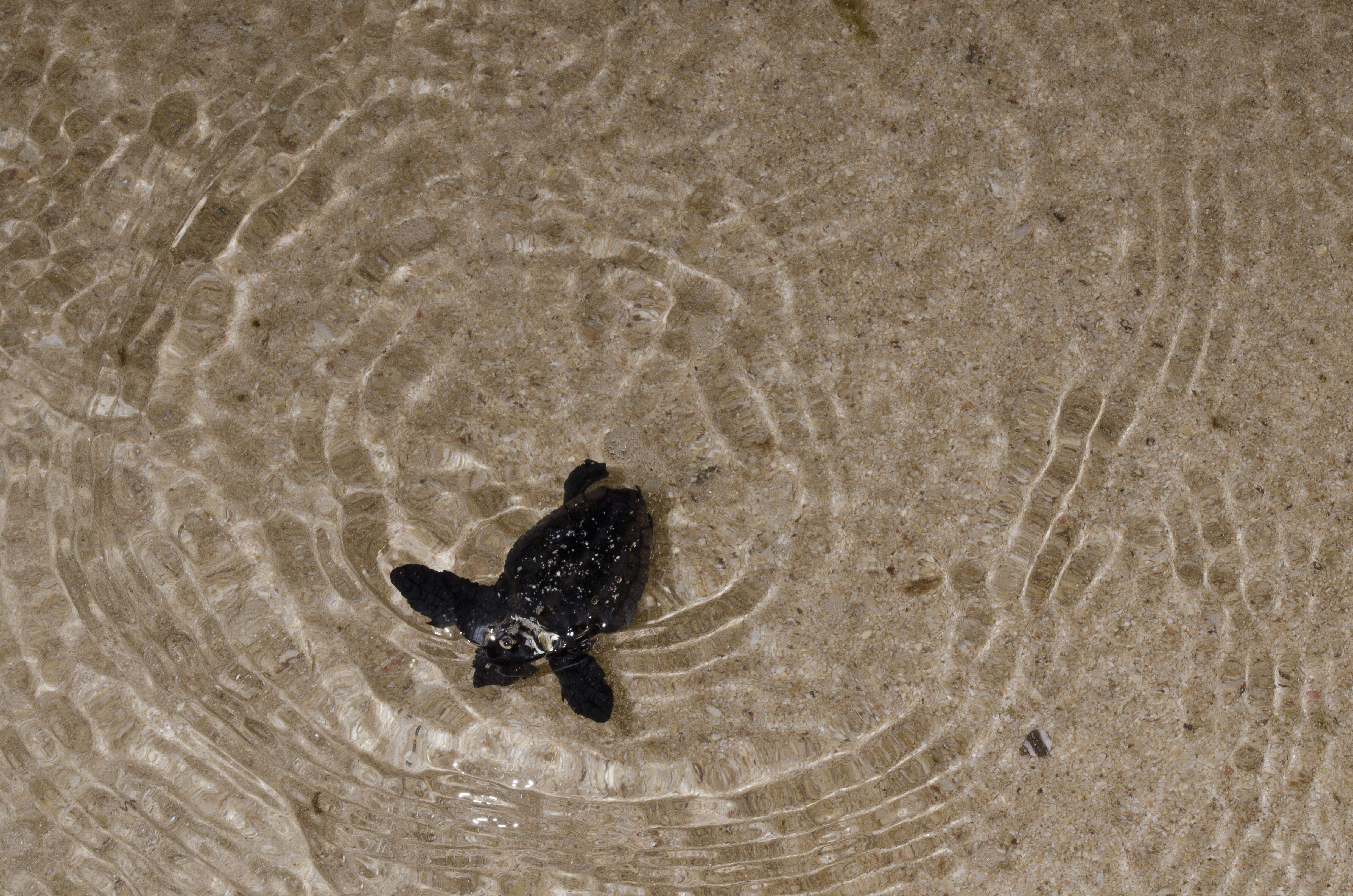
Caretta caretta Linnaeus 1758 (Loggerhead Turtle)
Adults are primarily carnivorous, using their powerful jaws to crack open crustaceans such as crabs and even seemingly impenetrable molluscs such as the queen conch (Strombus gigas) and giant clam (TridacnaLire la suite
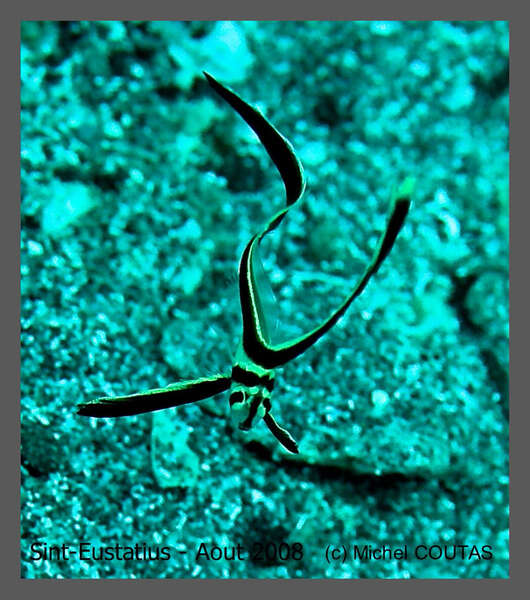
Equetus lanceolatus (Linnaeus, 1758) (Jack-knifefish)
Inhabits bays and sounds; also deep coral reefs . Juveniles sometimes inshore . Easily approached . Has been reared in captivity . Feeds mainly on small shrimps and crabs, but also on polychaete worms and gastropod mollusks .
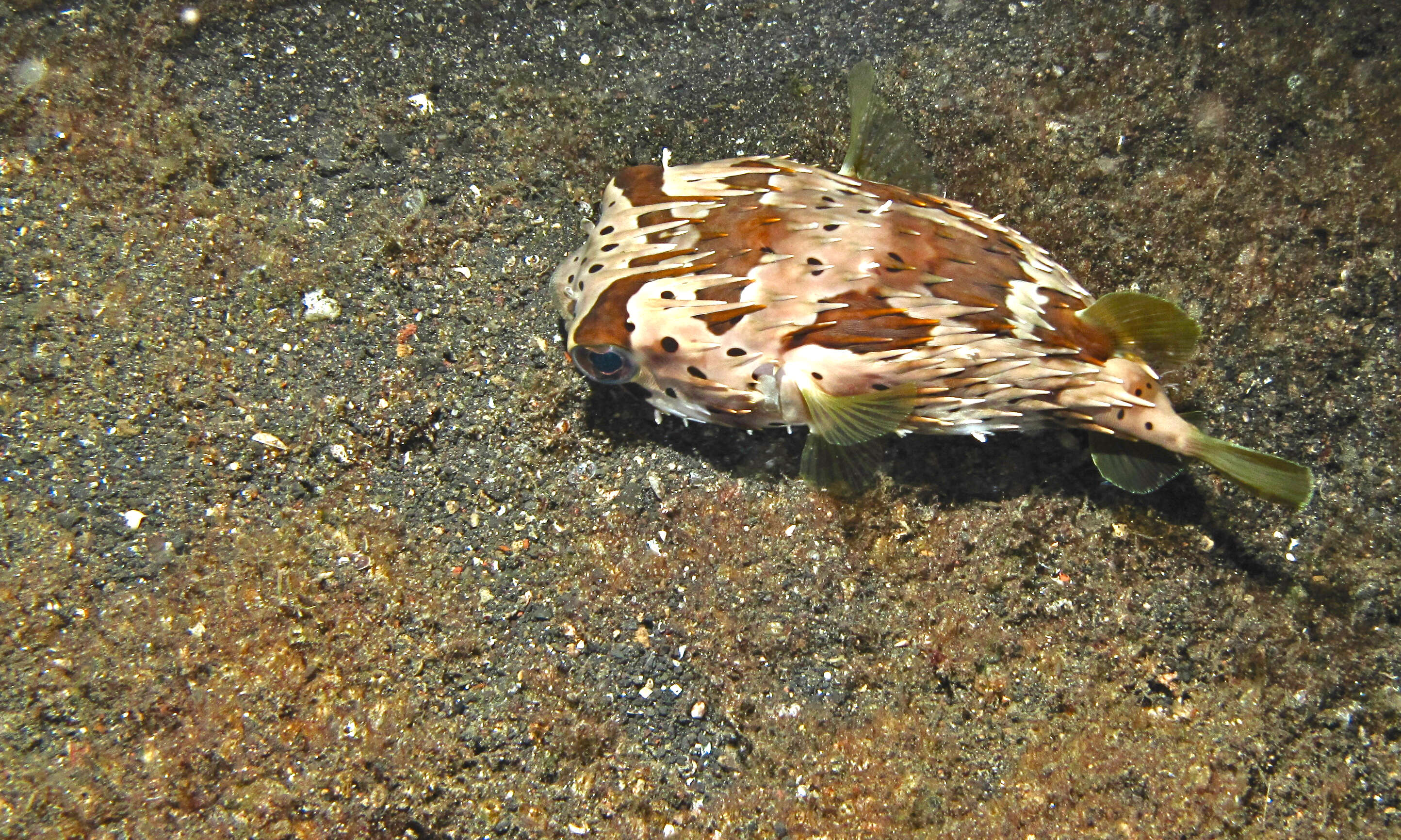
Diodon holocanthus Linnaeus, 1758 (Long-spine porcupinefish)
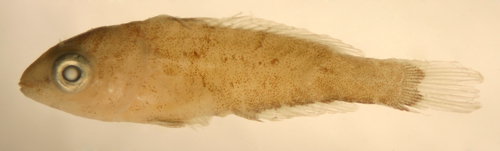
Nicholsina usta (Valenciennes, 1840) (Emerald parrotfish)
Partager sur les Réseaux Sociaux
- Facebook:

Personnalisez le texte de partage et son emplacement (mur, page, ...) ou envoyez le en tant que message privé à un de vos amis
- Twitter: Tweet personnalisez votre tweet
- Google Plus:
Lien direct vers cette plongée
- Lien complet :
- Lien abrégé :


 Diveboard participe aujourd'hui au concours de startups Techcrunch Disrupt. Montrez que vous aimez Diveboard en votant pour nous !
























































































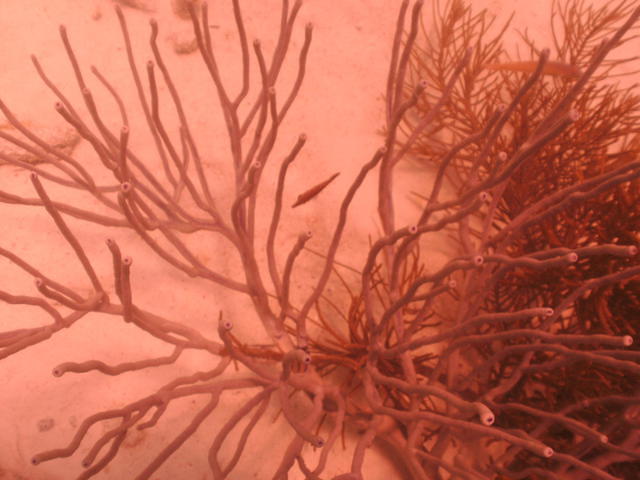
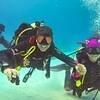
Justin's tank was very low on air to begin with - he left a bit early and Kevin and I hung out around our exit point for awhile. This was a great dive - lots of live and interesting reef structure. We saw a spotted eagle ray, a tiny filefish, a tarpon, a turtle, and a drum. After Justin left, Kevin chased a pufferfish around with the camera and we saw a huge midnight parrotfish.