


New Zealand
(5150 avis) |
Scuba diving locations in New Zealand:
- Kaikoura, on the east coast of South Island, is the place to see sperm whales, Hector's beaked whale, and Orca and humpback whales in season.
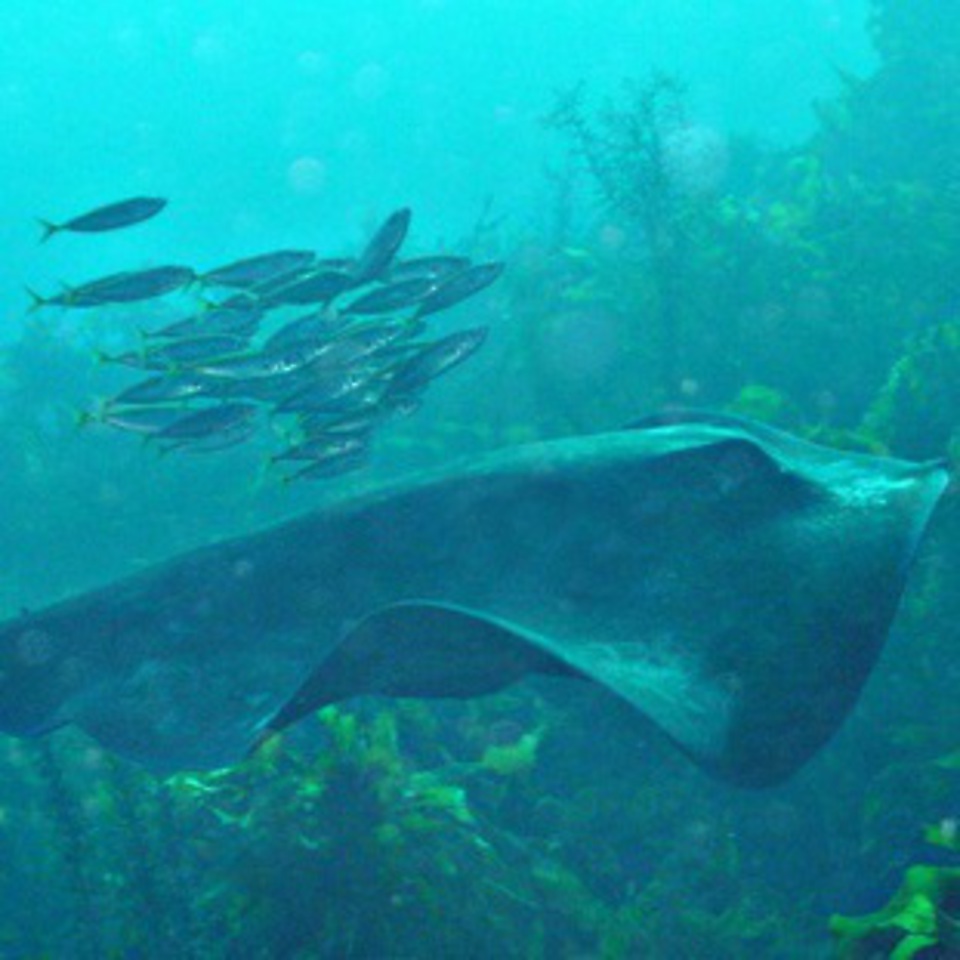
- Poor Knights Islands is a marine reserve where hundreds of short-tailed stingray migrate every year to breed.
- Fiordland National Park consists of 14 sounds, geographical sites that are similar to fjords, which have World Heritage status. There is an unusual occurence of tinted freshwater on the top of the salt which acts as a huge filter for incoming light, creating a much darker environment underneath. This enables deepwater species to live much closer to the surface. Expect to see black coral trees, sea pens and a host of rarely seen marine life.
- On North Island, Goat Island Marine Reserve is a 500 hectare reserve spanning from Cape Rodney to Okakari point.
When to scuba dive in New Zealand:
For the north, the water temperature in summer, from January to March, is around 20C, dropping to around 15C between July and September. The south is about 5C colder than the north. In Kaikoura, killer whales are seen between December and March, and humpback whales for a brief period in June and July.
Local standards for gear:
The best scuba diving spots in New Zealand:
- On North Island rests the ex-Greenpeace vessel, the Rainbow Warrior Wreck, which was blown up by the French.
- On Poor Knights Islands , the Northern Arch plummets to 44m with an array of fish species, which are stacked in layers.
- The ...
A partir de 5150 avis
Scuba diving locations in New Zealand:
- Kaikoura, on the east coast of South Island, is the place to see sperm whales, Hector's beaked whale, and Orca and humpback whales in season.
- Poor Knights Islands is a marine reserve where hundreds of short-tailed stingray migrate every year to breed.
- Fiordland National Park consists of 14 sounds, geographical sites that are similar to fjords, which have World Heritage status. There is an unusual occurence of tinted freshwater on the top of the salt which acts as a huge filter for incoming light, creating a much darker environment underneath. This enables deepwater species to live much closer to the surface. Expect to see black coral trees, sea pens and a host of rarely seen marine life.
- On North Island, Goat Island Marine Reserve is a 500 hectare reserve spanning from Cape Rodney to Okakari point.
When to scuba dive in New Zealand:
For the north, the water temperature in summer, from January to March, is around 20°C, dropping to around 15°C between July and September. The south is about 5°C colder than the north. In Kaikoura, killer whales are seen between December and March, and humpback whales for a brief period in June and July.
Local standards for gear:
The best scuba diving spots in New Zealand:
- On North Island rests the ex-Greenpeace vessel, the Rainbow Warrior Wreck, which was blown up by the French.
- On Poor Knights Islands , the Northern Arch plummets to 44m with an array of fish species, which are stacked in layers.
- The Red Baron Caves have a series of arches and outcrops which can be followed to the bottom at 25m. Colourful sponges, anemones, hydroids, corals and nudibranchs are festooned on the sheer walls.
- The Blue Maomao Arch is named after the dense school of Blue maomao that come to see the diver. Sunlight filters through the swirling mass making an unforgettable spectacle.
The best spots to snorkel in New Zealand:
Fun scuba facts:
Country data:
Administrative details
- Currency: New Zealand dollar (NZD)
- Population: is about 4,400,000 (2010)
- Time Zone: NZST (GMT+12), Summer NZDT (GMT+13)
- Main languages spoken: English, Māori ## Diveable overseas territories: Tokelau
Kiwi diving federations:
Local diving laws and regulations (and PADI-equivalent certifications):
Meilleurs spots en New Zealand
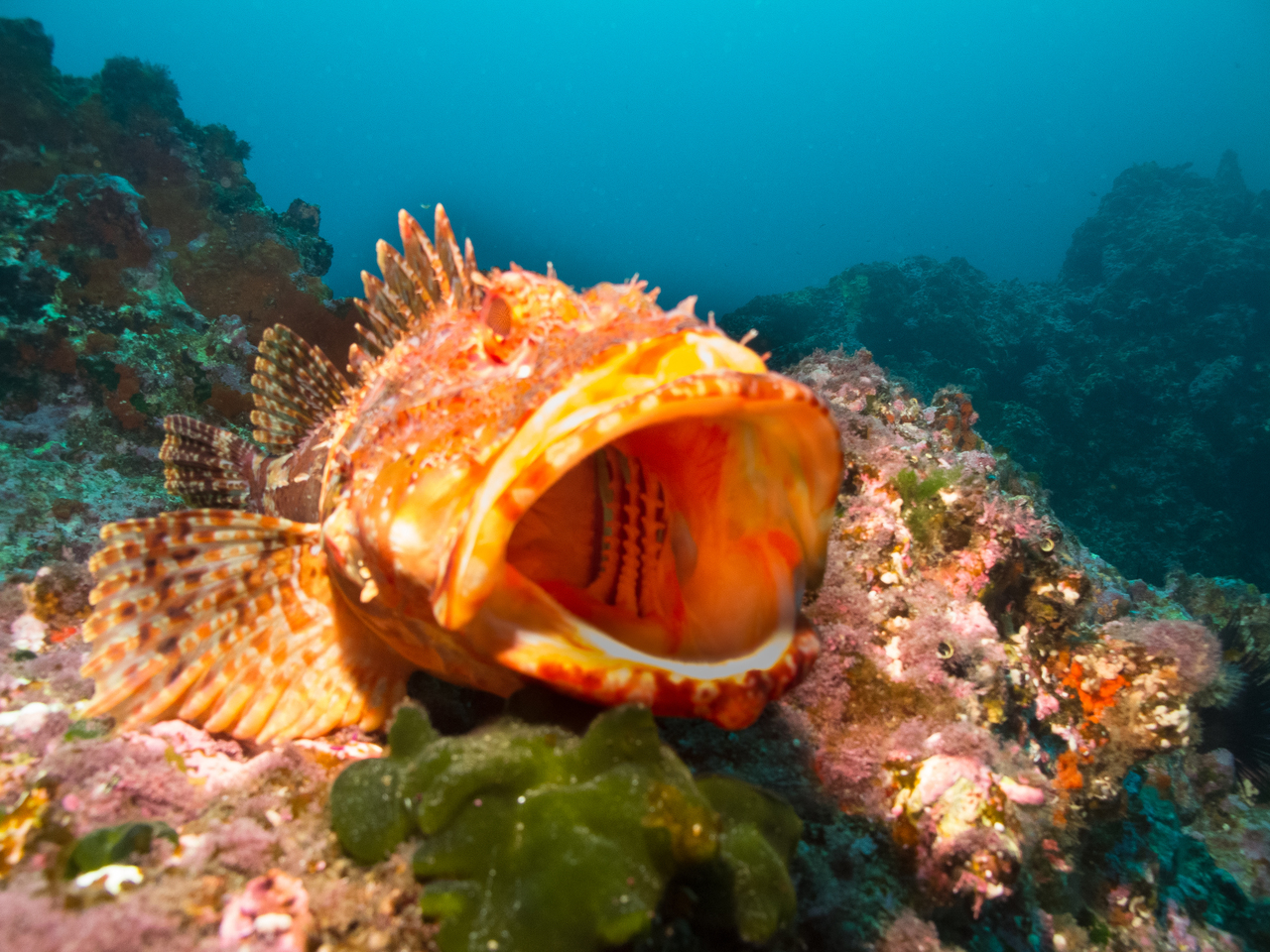
South Pacific Ocean 2805 dives
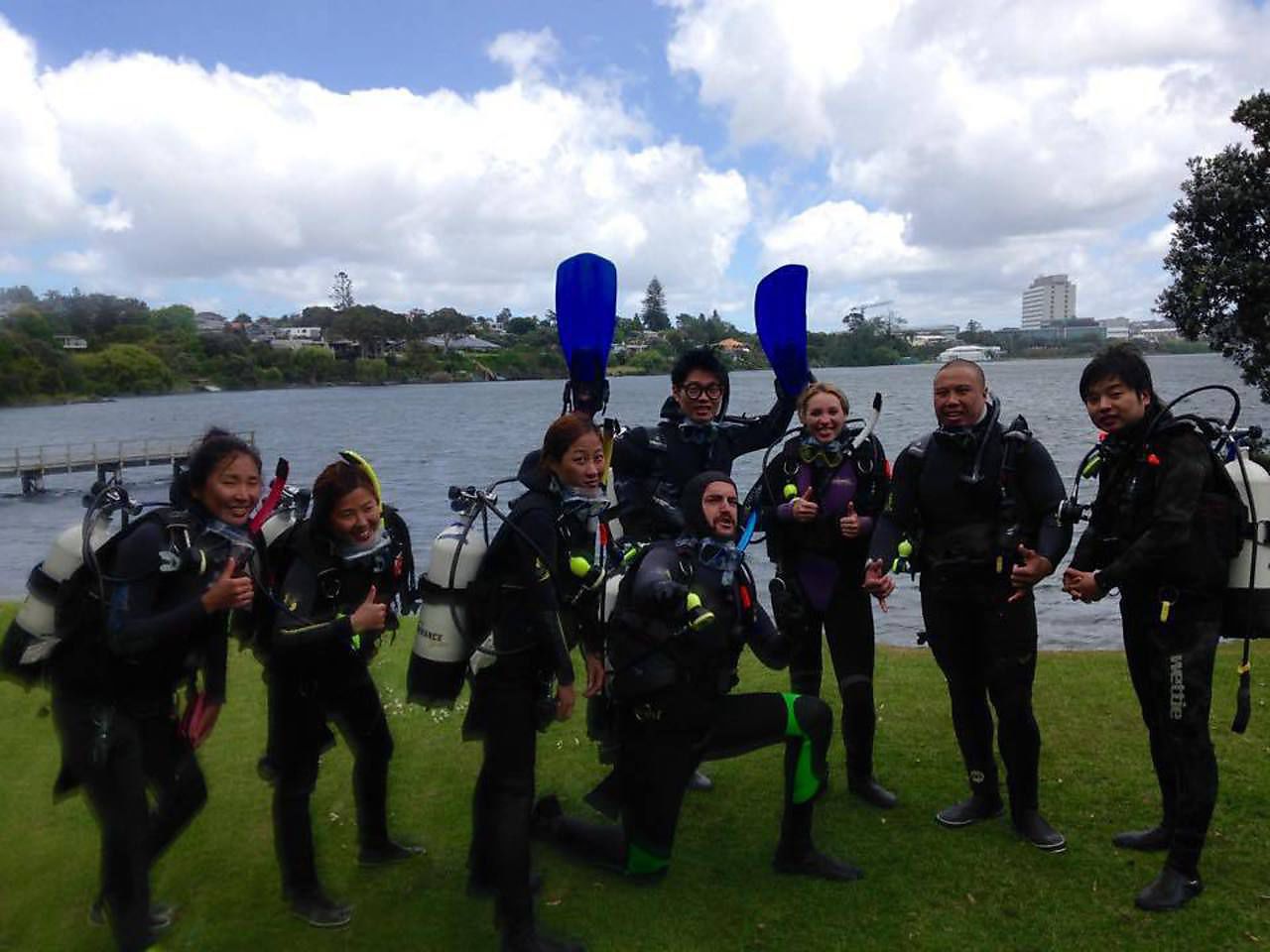
Lake Pupuke 147 dives
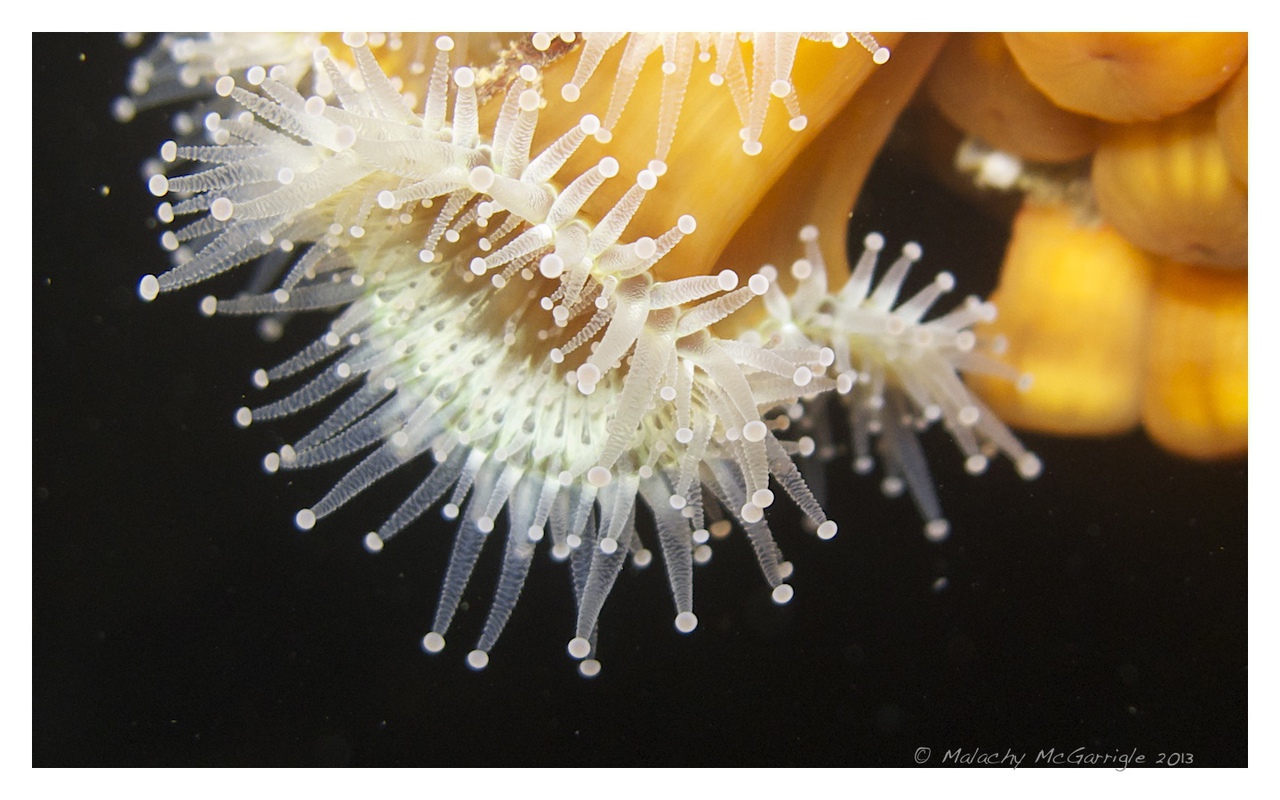
Pacific Ocean 7796 dives
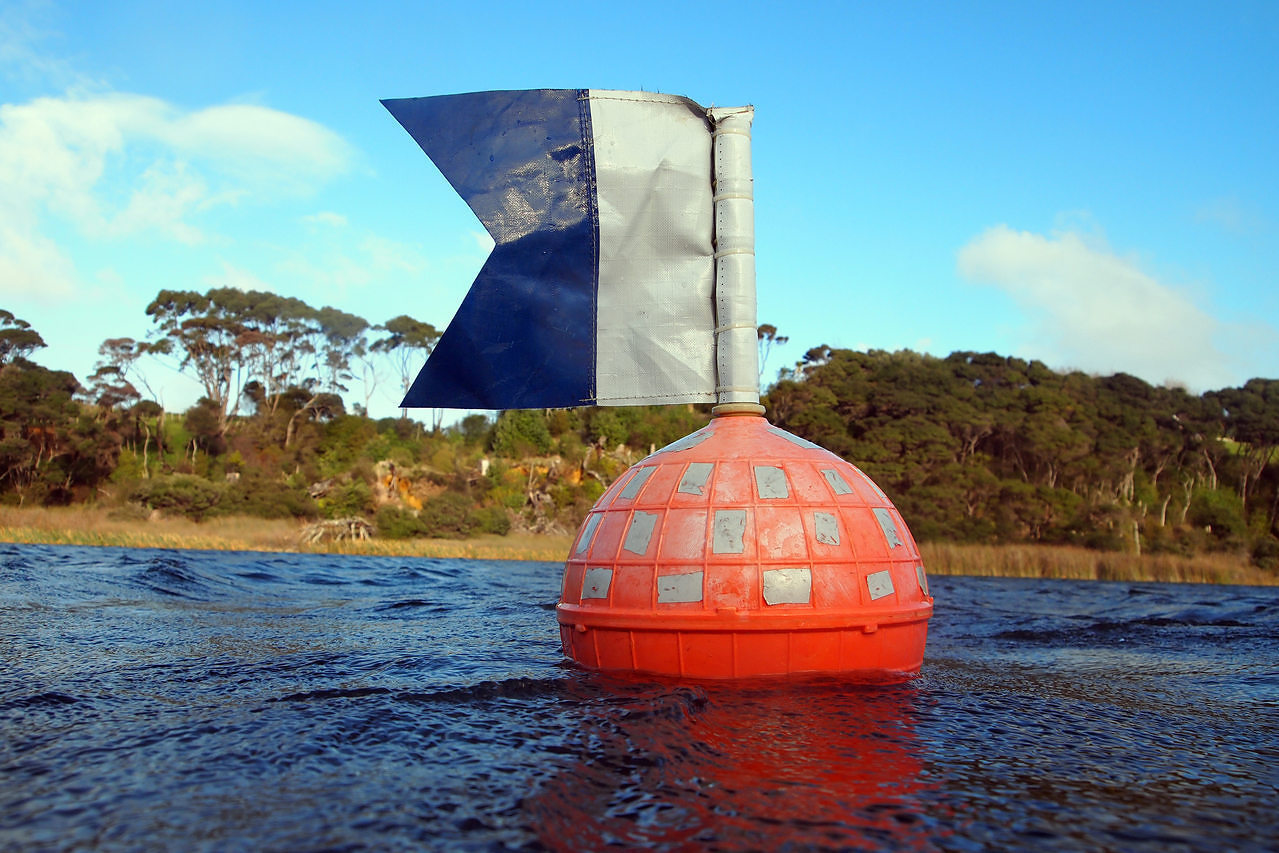
Lake Rototoa 16 dives
Best dive shops in New Zealand

Sur

La référence pour vos plongée.
Découvrez des destinations à travers les yeux des plongeurs & réservez vos plongées en ligne.
Disponible aussi sur votre mobile et proposant le meilleur carnet de plongée en ligne, Diveboard est le meilleur moyen de partager vos explorations et vos impressions.
Liens rapides
Changer la langue: |
|
|
Communauté et aide
Commentaires et suggestions |
A propos de Diveboard
L'équipage Diveboard |
 |
 |
 |
Copyright 2008-2024 Diveboard
Changer la langue: |
|
