


Australia
(7153 avis) |
Country data:
Administrative details
- Currency: Australian dollar (AUD)
- Population: is approximately 22,700,000 (2011)
- Time Zone: varies by location from (GMT+8) to (GMT+10.5), Summer varies by location from (GMT+8) to (GMT+11.5)
- Main languages spoken: English
- Diveable overseas territories: Christmas Island, Cocos Islands, Heard Island and McDonald Islands
Aussie scuba diving federations:
- AUSTRALIAN UNDERWATER FEDERATION (AUF) is a member of Confédération Mondiale des Activités Subaquatiques (CMAS)
- Cave Divers Association of Australia (CDAA)
Local diving laws and regulations (and PADI-equivalent certifications):
- To scuba dive legally you are required to have a medical assessment performed by a recognised medical proffessional, which essentially means by an Australian doctor. Australian Standard 4005.1 2000 (AS4005.1 2000).
- Interactions with Whale Sharks are regulated by Conservation and Land Management, which limits the number of snorkellers in the water with a shark to a maximum of 10, forbids the use of flash photography and lists guidelines including how long a single interaction with a whale shark may last.
- In South Australia, white pointers are regularly spotted close to shore so it is recommended to dive with a Shark Shield or equivalent protection.
Scuba diving locations in Australia:
-
- The Great Barrier Reef is one of the Seven Wonders of the World and is incredibly vast. The reefs to the far north are generally visited by liveaboards rather ...
A partir de 7153 avis
Country data:
Administrative details
- Currency: Australian dollar (AUD)
- Population: is approximately 22,700,000 (2011)
- Time Zone: varies by location from (GMT+8) to (GMT+10.5), Summer varies by location from (GMT+8) to (GMT+11.5)
- Main languages spoken: English
- Diveable overseas territories: Christmas Island, Cocos Islands, Heard Island and McDonald Islands
Aussie scuba diving federations:
- AUSTRALIAN UNDERWATER FEDERATION (AUF) is a member of Confédération Mondiale des Activités Subaquatiques (CMAS)
- Cave Divers Association of Australia (CDAA)
Local diving laws and regulations (and PADI-equivalent certifications):
- To scuba dive legally you are required to have a medical assessment performed by a recognised medical proffessional, which essentially means by an Australian doctor. Australian Standard 4005.1 2000 (AS4005.1 2000).
- Interactions with Whale Sharks are regulated by Conservation and Land Management, which limits the number of snorkellers in the water with a shark to a maximum of 10, forbids the use of flash photography and lists guidelines including how long a single interaction with a whale shark may last.
- In South Australia, white pointers are regularly spotted close to shore so it is recommended to dive with a Shark Shield or equivalent protection.
Scuba diving locations in Australia:
-
- The Great Barrier Reef is one of the Seven Wonders of the World and is incredibly vast. The reefs to the far north are generally visited by liveaboards rather than day trips. Inner Reef hosts shallow dives and there are countless shore dives from the various islands.
- In the Coral Sea, east of the Great Barrier Reef, there are pristine reefs covering hundreds of square miles and tropical species not found on the Great Barrier Reef. Visibility is often up to 100m.
- The Whitsunday Islands are 74 breathtaking islands offering countless dive sites both among the islands and on the Outer Great Barrier Reef, 90 minutes away.
- The Southern Reef Islands, such as Heron Island with over 20 dive sites, offer a host of beautiful life to see.
Western Australia
- Rottnest Island, the southernmost point along the Western Australian coastline at which coral grows, has a Mediterranean climate, kilometres of white sandy beach, crystal clear waters, historical wrecks, 360 species of fish and 20 species of coral.
- Ningaloo Reef and Exmouth host large numbers of whale sharks in migration each year from April to June.
- Shoalwater Marine Park, an hour south of the capital, is home to seals and penguins.
South Australia
- The coast of Whyalla is home to the annual migration of hundreds of thousands of Australian giant cuttlefish every year.
- The Port Noarlunga Reef aquatic reserve has twelve underwater trail markers with interpretative plaques and easy access from the jetty.
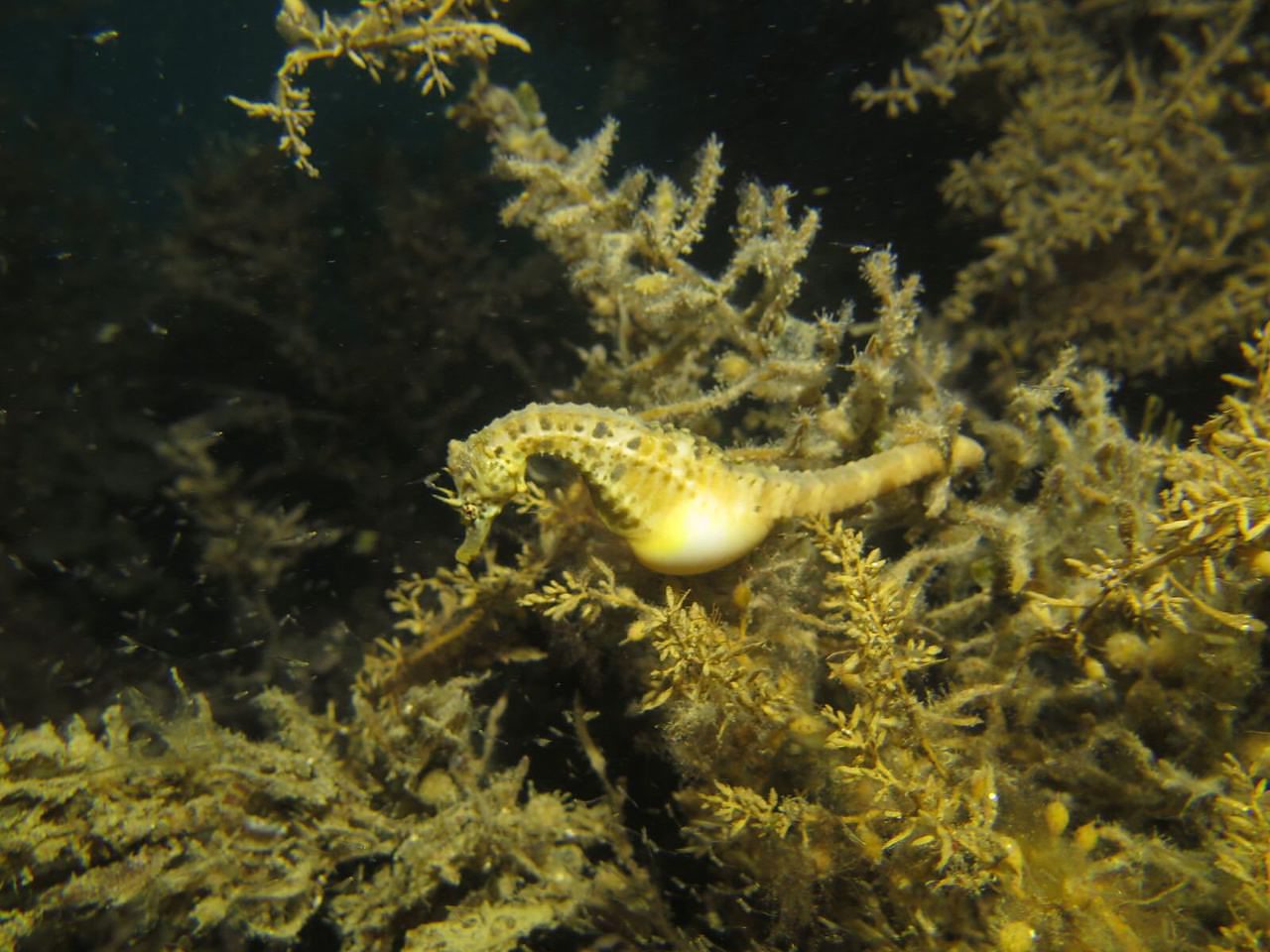
- Kangaroo Island is home to the elusive leafy sea dragon, and offers the opportunity to swim with the local Australian sea lions.
-
- In Sydney harbour, despite its heavy commercial use, there are several dive sites, mainly inside the north and south heads. Soft coral lives even inside the harbour and Port Jackson sharks are relatively common.
- The Solitary Islands Marine Park, off Coffs Harbour, features both tropical and subtropical marine life, notably Grey Nurse Sharks, hard and soft coral, anemone fish, and colourful wrasse. Most of the interesting diving is in less than 20 metres of water.
- Manly, across the harbour from Sydney city, is a popular resting spot for migrating whales.
When to scuba dive in Australia:
- In Queensland the water temperatures rarely drop below 25°C, and can get to almost 30°C in summer, but in the south the water can drop below 20°C in winter. October to December is the breeding season for most coral reef species. From January to March is the cyclone season and hosts amazing feeding and marine life activity following the breeding season, however the visibility can be poor. In June, Antarctic minke whale pass by off the coast. Between November and May, it is not advised to swim outside of net-protected beaches due to the presence of potentially deadly box jellyfish.
- In Western Australia the water is warm in the north, but in the south in winter it can drop to as low as 10°C, when a dry suit is highly recommended. In March, coral spawns 7 days after full moon. Between April and June, Whale sharks can be seen at Ningaloo Reef. In June, dugongs are active at Coral Bay and Ningaloo. In September, humpback whales migrate. October is mating season for turtles at Ningaloo, and between December and March they nest.
- In South Australia, he water temperature varies from around 25°C in summer to below 10°C in winter, with Antarctic currents bringing huge drops in temperature. The annual migration of hundreds of thousands of Australian giant cuttlefish to the rocky coastline of Whyalla takes place every year between May and September.
- The water in New South Wales ranges from 28°C down to around 15°C in winter.
- Tasmania's water varies from around 20°C to 10°C, but the south end can drop much more in winter due to the southern currents.
Local standards for gear:
DIN-type tanks
The best scuba diving spots in Australia:
- Queensland
- The SS Yongala sank in a cyclone in 1911 and by the time the wreck was properly identified in 1958 it had become a haven for sealife. Commonly seen sealife include sharks, turtles, huge Queensland groupers, rays and sea snakes. This wreck is totally protected and divers are no longer allowed to penetrate the wreck as the air bubbles trapped inside would cause damage.
- The Ex-HMAS Brisbane was sunk off the Sunshine Coast to create a diveable artificial reef in between 12-27 metres of water.
- Port Douglas hasBarracuda Pass with its coral gardens and giant clams.
- Near Lizard Island is the Cod Hole, where divers can hand-feed giant potato cod.
- Predator's Playground, Coral Sea, is great place to see sharks feed.
- The Abyss has 1,000m drop-offs.
- Heron Bommie, off Heron Island, has rays, eels and Spanish dancers.
- Outer Rock, a large isolated rock rising up from 16-20 metres, lies a few kilometres north-east of Great Keppel Island has an abundant supply of small coral fish in the shallows, whilst in the deeper waters larger pelagic fish are found. Keep an eye out for large Maori wrasse.
- South Australia
- Rapid Bay Jetty offers one of the best chances of spotting the elusive leafy sea dragon.
- New South Wales, Australia
- Bare Island off La Perouse has good shore diving.
- Shiprock, a tidal site at Lilli Pilli, Port Hacking, has soft coral and Port Jackson sharks.
- Magic Point, off Maroubra is a Grey Nurse Shark sanctuary, where you can see a number of sharks sleeping in their cave during the daytime.
The best snorkeling spots in Australia:
- In Queensland, Bowen of the Whitsunday Islands has excellent fringing reef right off the beaches.
Meilleurs spots en Australia
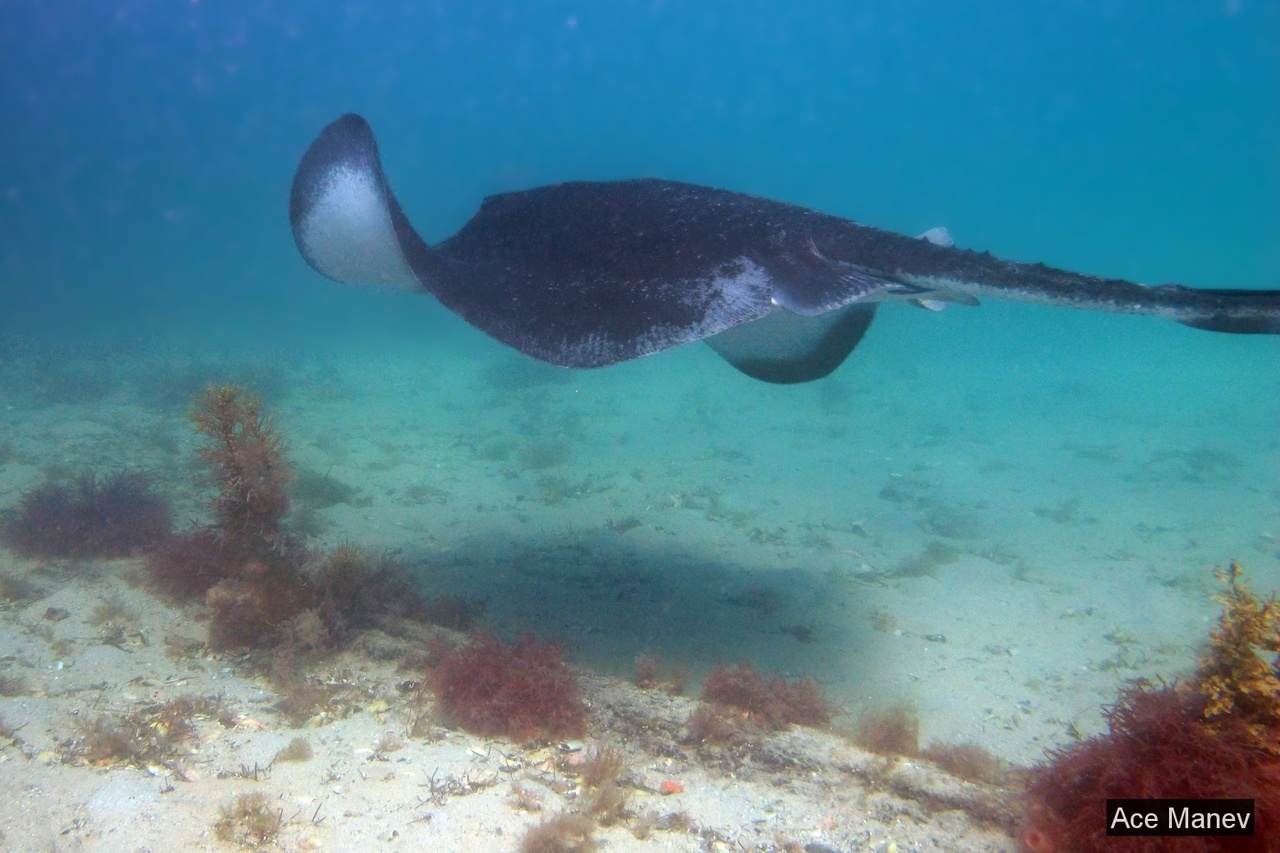
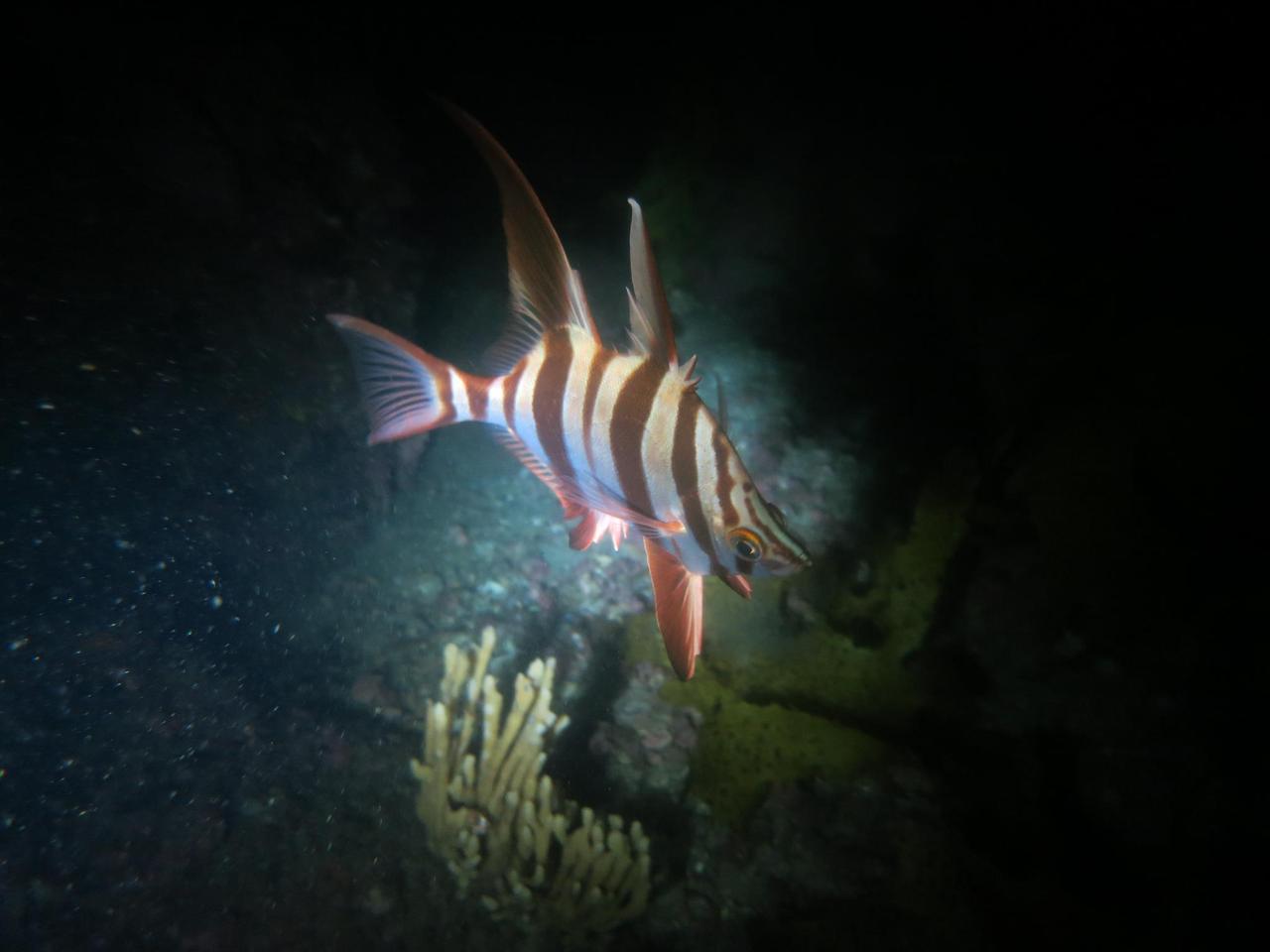
Victoria, Australia 617 dives
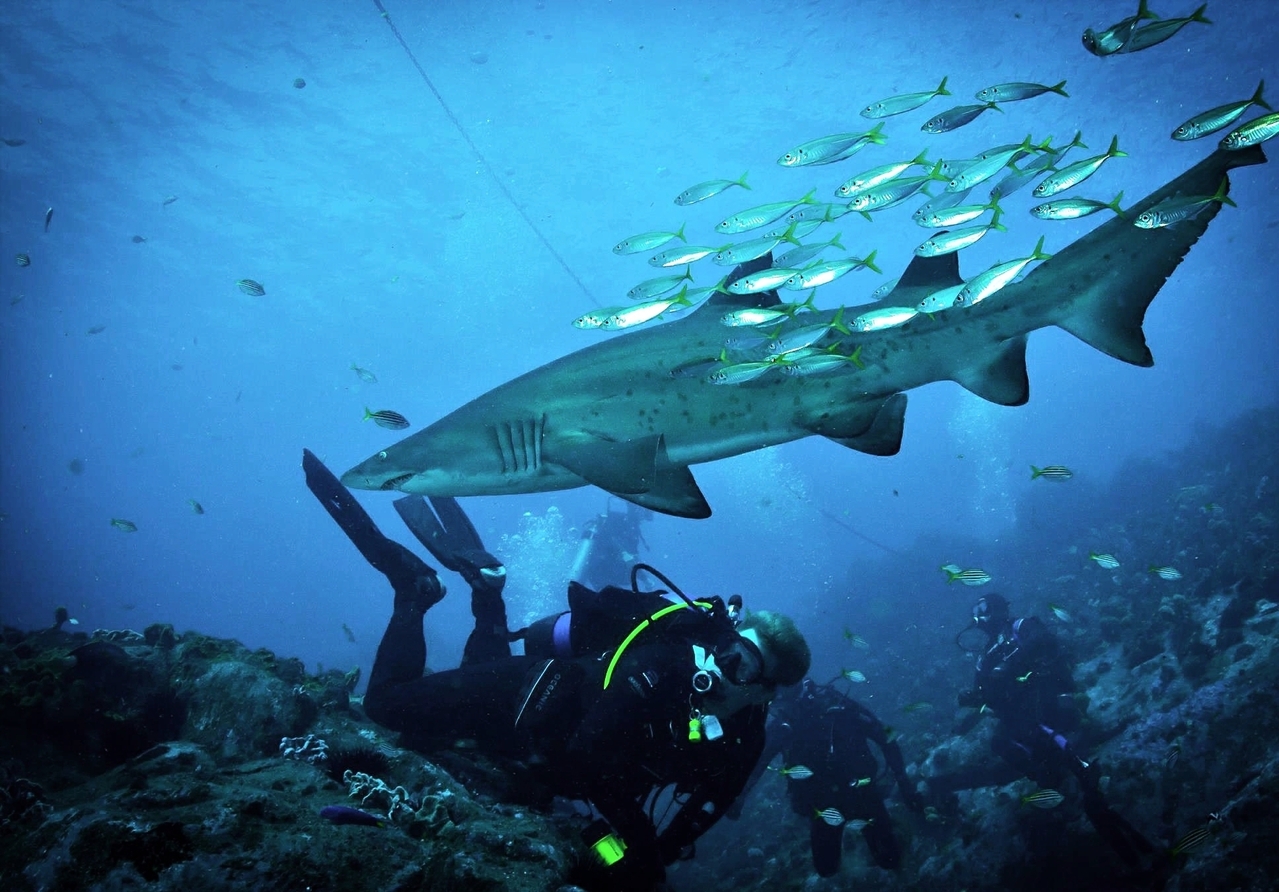
Tasman Sea 789 dives
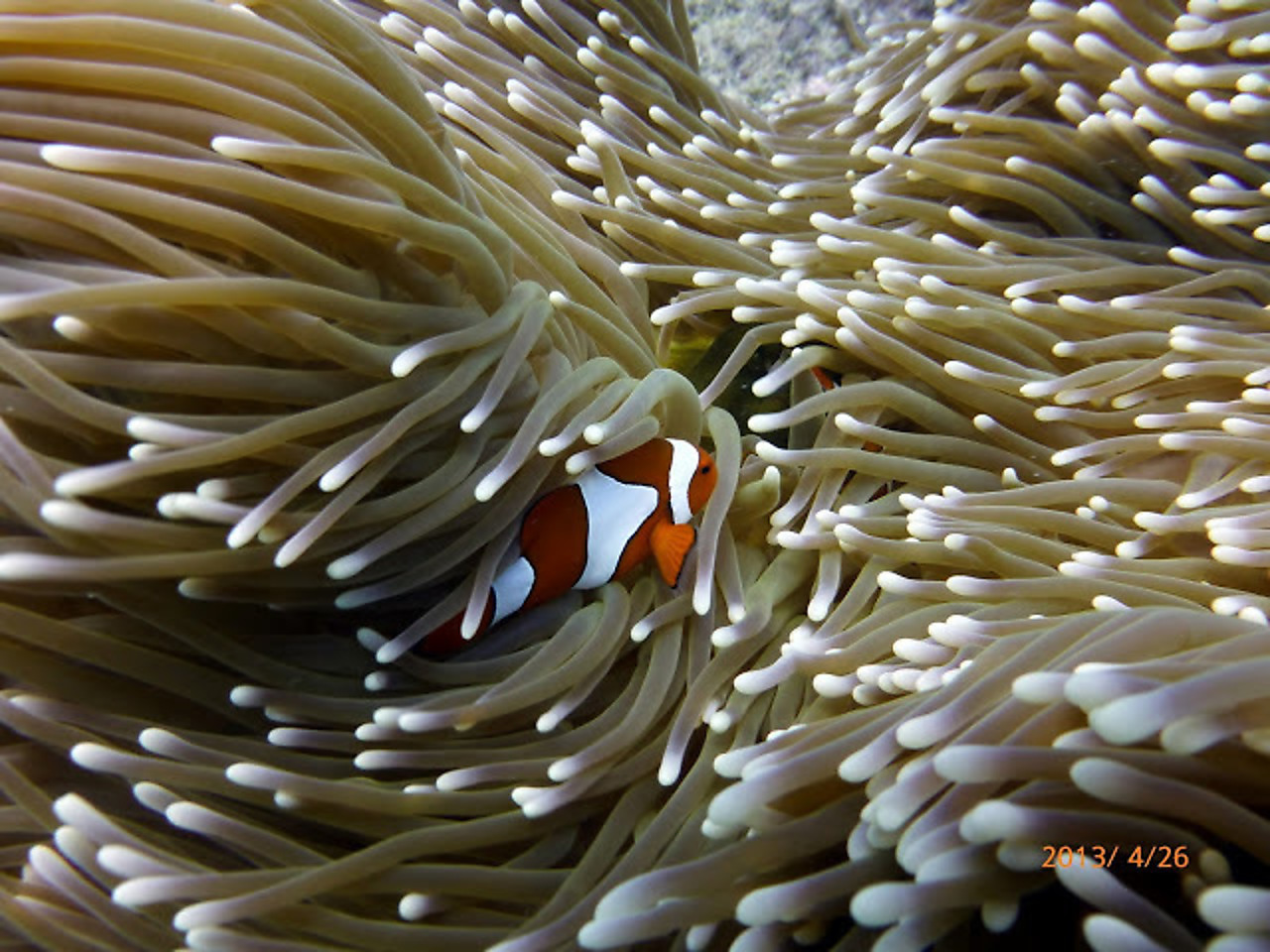
Coral Sea 1824 dives
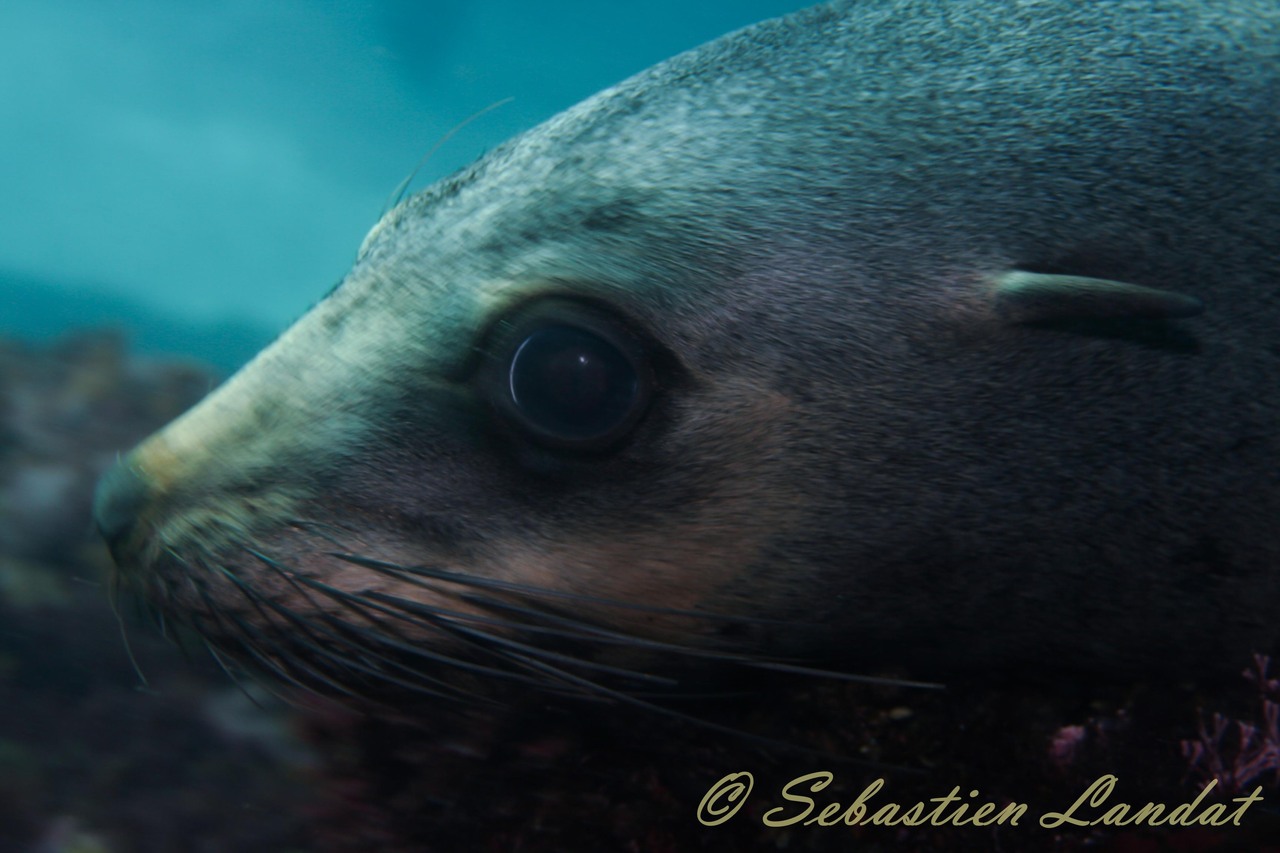
New South Wales, Australia 1899 dives
Best dive shops in Australia

Sur

La référence pour vos plongée.
Découvrez des destinations à travers les yeux des plongeurs & réservez vos plongées en ligne.
Disponible aussi sur votre mobile et proposant le meilleur carnet de plongée en ligne, Diveboard est le meilleur moyen de partager vos explorations et vos impressions.
Liens rapides
Changer la langue: |
|
|
Communauté et aide
Commentaires et suggestions |
A propos de Diveboard
L'équipage Diveboard |
 |
 |
 |
Copyright 2008-2024 Diveboard
Changer la langue: |
|
